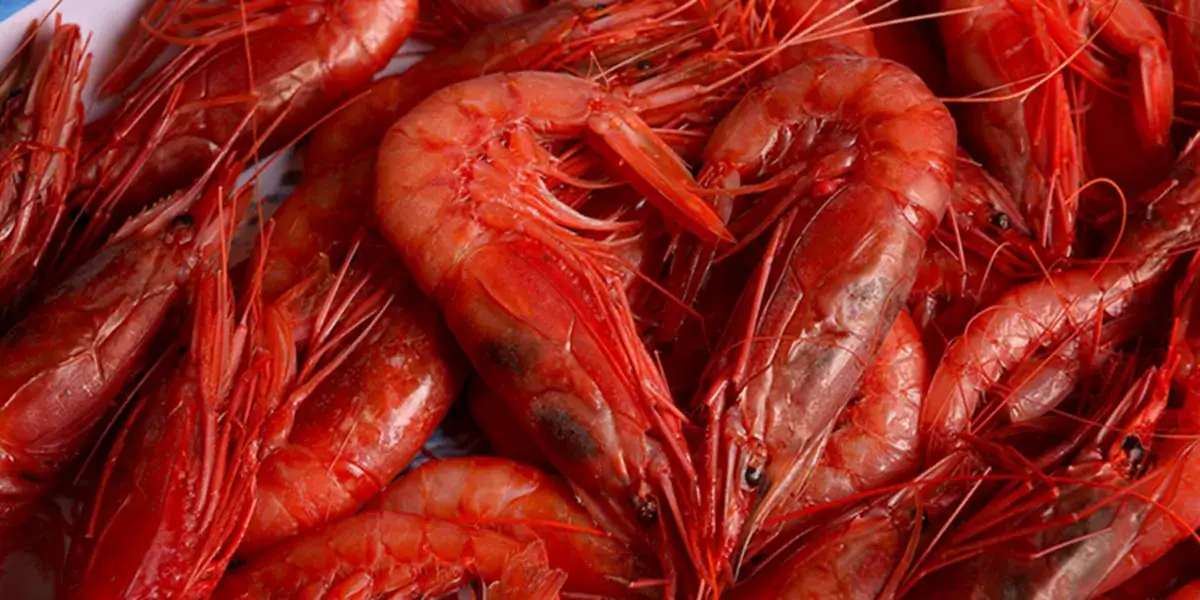
The Tunisian Interprofessional Group for Fishing Products (GIPP) recently convened a meeting with industry professionals and administration representatives to discuss the allocation and exploitation conditions for the country's new red shrimp quota of 208.9 tonnes. This quota is part of the 2027-2029 management plan. The meeting aimed to define the concrete modalities for exploiting this resource. The discussions involved various stakeholders, including shipowners, exporters, and representatives from the Tunisian Union of Agriculture and Fisheries (UTAP) and the Tunisian Confederation of Industry and Services (UTICA).
The meeting follows the revision of Tunisia's quota, which was increased during the 49th annual session of the General Fisheries Commission for the Mediterranean (GFCM) held in Rome from October 26 to 30, 2026. The new agreement offers additional opportunities for the industry but requires defining the conditions for exploiting this resource. This is crucial, especially given that the 2026 quota was set at 36 tonnes and its overrun sparked tensions with European partners. Data from October reported certified catches exceeding 50 tonnes.
The GIPP meeting brought together various stakeholders, including shipowners of trawlers, exporters, representatives from UTAP and UTICA, and officials from the General Directorate of Fisheries and Aquaculture. Representatives from regional fishing structures in Bizerte and Tunis, as well as concerned legal services, also participated in the discussions. The participants first examined the results of the GFCM session before engaging in a consultation on the mechanisms for exploiting the resource and organizing the activity.
Industry professionals expressed their concerns and presented several proposals, which will be studied with the concerned administrations and structures, while respecting the regulations and imperatives for preserving the stock. The objective is now to prepare a legal and regulatory framework for using the new quota. This involves defining the conditions to reconcile the economic interests of shipowners and operators with the sustainable management of the resource.
The increase in the quota represents an opportunity for deep-sea fishing professionals and exporters. However, its exploitation must be accompanied by monitoring and control mechanisms to avoid overruns, as seen in 2026. The GIPP emphasizes a participatory approach involving economic operators and administrations. Establishing clear rules will be crucial to ensuring controlled exploitation of the quota during the 2027-2029 period while preserving fishery resources.
The new quota offers a chance for Tunisia's fishing industry to expand its operations, but sustainable management of the resource is essential. The GIPP's approach aims to balance economic interests with environmental concerns. The industry's future will depend on its ability to exploit the quota responsibly and avoid the pitfalls of overfishing.
The Tunisian government and industry stakeholders must work together to establish a framework that supports both economic growth and environmental sustainability. The coming months will be critical in shaping the future of Tunisia's red shrimp fishery. Key to this will be the development of effective monitoring and control systems to prevent overfishing and ensure the long-term viability of the resource.
Key points
- The Tunisian Interprofessional Group for Fishing Products (GIPP) is preparing rules for exploiting the new 208.9-tonne red shrimp quota.
- The quota increase offers opportunities for deep-sea fishing professionals and exporters but requires sustainable management.
- Establishing clear rules and monitoring mechanisms will be crucial to ensuring controlled exploitation of the quota.