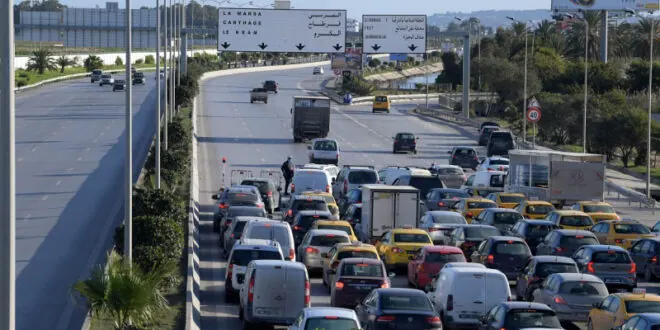
Tunisia's General Directorate of Traffic Police has launched a new enforcement mechanism, deploying plainclothes officers to monitor and record traffic violations on the country's roads. The initiative, which began on October 2, aims to intensify security presence, particularly during peak hours, to tackle serious and repeated offenses. These offenses include driving in the opposite direction, ignoring railway crossings, failing to respect traffic signals, and not wearing seatbelts.
According to General Sami Rshikou, the head of the traffic police, the new mechanism involves plainclothes officers accompanied by uniformed personnel, who use photography and videography to document traffic violations. This approach allows for the collection of evidence without disrupting traffic flow. In exceptional cases, officers may intervene directly and stop the offending driver. The program is designed to ensure a flexible deployment of officers across different regions, focusing on high-risk areas.
The traffic police have developed a weekly operational plan to ensure the effective distribution and positioning of these plainclothes units. This plan targets specific black spots where traffic violations are more common. Rshikou emphasized that the legality of the procedure guarantees citizens the right to contest any raised violations. If a citizen disputes a violation, they will be informed and presented with the documented evidence.
The introduction of plainclothes officers is part of a broader strategy to enhance road safety in Tunisia. By leveraging technology and discreet monitoring, authorities aim to reduce the number of traffic accidents and improve compliance with traffic regulations. This approach has been implemented in various countries to increase the effectiveness of traffic enforcement.
Rshikou's announcement was made on October 5, during an interview with local radio station Mosaic. He highlighted the importance of the new measures in addressing dangerous driving behaviors. The use of plainclothes officers is expected to contribute significantly to this effort, providing an additional tool for traffic police to manage and regulate road traffic effectively.
The new enforcement mechanism has been welcomed by many Tunisians who see it as a necessary step to improve road safety. With the country's roads being a concern for both authorities and citizens, such initiatives are crucial in promoting a culture of compliance with traffic laws. The authorities have assured that the rights of citizens will be respected throughout the process.
As the new mechanism continues to be implemented, drivers are advised to be aware of the enhanced monitoring and to adhere strictly to traffic regulations. The traffic police will continue to engage with the public, ensuring that the measures are understood and respected. With time, it is expected that the number of traffic violations will decrease, contributing to safer roads for everyone.
Key points
- The use of plainclothes officers equipped with photography and videography to document traffic violations aims to improve enforcement without disrupting traffic flow.
- The new mechanism targets serious offenses such as driving in the opposite direction and ignoring traffic signals.
- Citizens have the right to contest any raised violations, with access to documented evidence.