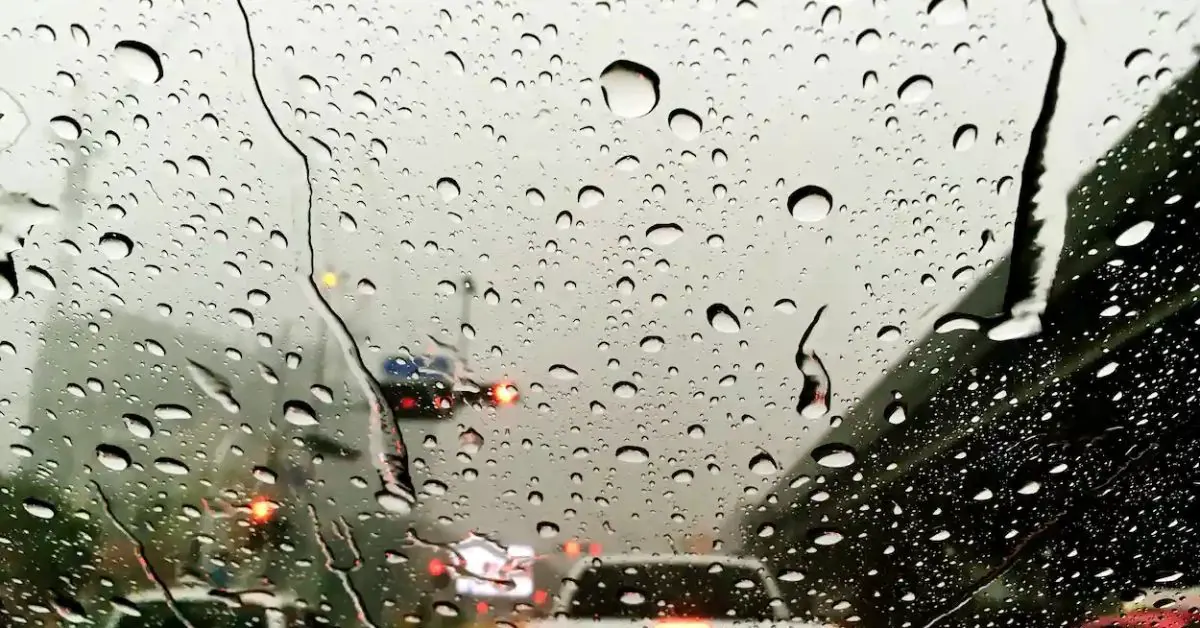
Tunisia has witnessed significant rainfall across various regions over the past 24 hours. According to the National Institute of Meteorological Observation, the highest recorded rainfall was 40 millimeters in Hassi Jerbi, Medenine. The institute reported that rainfall covered most areas of the country, with amounts ranging from 1 to 40 millimeters. This recent weather pattern is part of a larger forecast that includes potential heavy rain and thunderstorms.
The National Institute of Meteorological Observation detailed that after Hassi Jerbi, the most substantial rainfall amounts were recorded in the northwest. Specifically, Wadi Milaq in Kef governorate saw 32 millimeters of rain, followed by Tebar and Tibrisq in Bajah governorate with 30 millimeters each. These regions experienced considerable precipitation, contributing to the overall wet conditions across the country.
Other areas also recorded notable rainfall. For instance, Gradou in Zaghouan governorate received 25 millimeters, while Sened and Redif in Qafsa governorate each got 20 millimeters. Additionally, Kassarin governorate experienced 20 millimeters in Sbeitla and 15 millimeters in Hassi Al-Farid, Majele Belabbas, and Tala. These varied amounts indicate a widespread impact of the recent rainfall.
Sidi Bouzid governorate recorded 19 millimeters in both Jelma and the city of Sidi Bouzid, and 16 millimeters in Bir El-Haf. In Qairouan governorate, rainfall ranged from 6 millimeters in Sbeika to 16 millimeters in Al-Ala, Al-Hajib, and Ain Jeloula. These measurements reflect the diverse distribution of rainfall across different parts of the country.
Further rainfall data showed that Silyana governorate received 17 millimeters in Ar-Rouhiya and 14 millimeters in Ksar. Jendouba governorate had 16 millimeters in its center and 14 millimeters in Fernana. Sousse governorate's Kalâa Kebira recorded 15 millimeters. These numbers highlight the extensive coverage of the rainfall.
The remaining regions with reported rainfall include Sfax, Tozeur, Mahdia, Gabes, Tataouine, Nabul, Monastir, Manouba, Qebli, Bizerte, and Ariana. Although the amounts were generally lower, they still contributed to the overall picture of widespread precipitation. This weather pattern aligns with forecasts predicting continued rain and potential thunderstorms.
The recent rainfall is expected to impact various aspects of life in Tunisia, from agriculture to urban planning. The distribution and amount of rainfall can influence water supply, infrastructure, and daily activities. As the situation develops, further updates from meteorological authorities will be crucial for understanding and preparing for the effects of this weather.
Key points
- The highest recorded rainfall was 40 millimeters in Hassi Jerbi, Medenine.
- Rainfall was widespread, covering most regions of Tunisia.
- Forecasts indicate the potential for continued heavy rain and thunderstorms.