US President Donald Trump is facing increasing pressure from Congress and within his own administration over the ongoing conflict with Iran. The war, which began on February 8, has now lasted for 39 days with no clear end in sight. The uncertainty has sparked anger and frustration among lawmakers, with many demanding a more comprehensive strategy to address the crisis. The situation has also raised concerns about the potential for further escalation and its impact on regional stability.
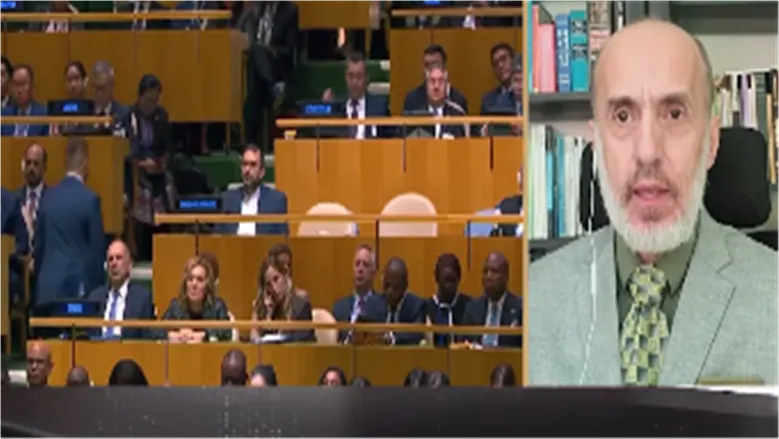
According to Dr. Youssef Hazimeh, an expert on Iranian affairs, the mixed messages from the US administration regarding negotiations with Iran do not change the fundamental US position. He noted that despite differences in expression, the statements from Trump and other US officials ultimately convey a single message. Hazimeh appeared on Cairo News Channel, where he analyzed the complexities of the situation and the challenges facing the Trump administration.
Hazimeh described the US position as being in a state of "quagmire," with the country's policy on Iran facing criticism from multiple angles. The expert emphasized that the US is grappling with a multifaceted crisis, encompassing politics, security, military, and economic dimensions. This complexity has made it difficult for the Trump administration to articulate a clear and coherent strategy for dealing with Iran.
If Trump decides to halt the war, he risks facing criticism from Democrats and some Republicans, who may view the decision as a sign of weakness. On the other hand, continuing the war has not yielded the desired results, with 39 days of fighting failing to achieve US objectives. This dilemma has left Trump with limited options, and his administration's statements have reflected a unified, yet uncertain, stance on the matter.
Hazimeh pointed out that Trump's decision to go to war on February 8 was widely seen as a questionable move. The ongoing conflict has not produced the desired outcomes, and the US is now stuck in a cycle of continued military action and diplomatic rhetoric. The expert suggested that Trump's room for maneuver is limited, and the current situation is likely to persist in the near term.
The situation has also sparked concerns about the potential for further escalation and its impact on regional stability. The conflict has already had significant humanitarian and economic consequences, and there are fears that a prolonged war could lead to a wider destabilization of the region. As the situation continues to unfold, there are growing calls for a more comprehensive and sustainable solution to the crisis.
As the conflict enters its sixth week, the Trump administration faces mounting pressure to articulate a clear strategy for dealing with Iran. With Congressional anger and frustration growing, the President must navigate a complex web of competing interests and priorities to find a way out of the crisis. The situation remains fluid, and it remains to be seen how the US will address the challenges posed by Iran in the coming weeks and months.
Key points
- The US conflict with Iran has now lasted for 39 days with no clear end in sight.
- Trump's decision to halt or continue the war is fraught with risks and uncertainties.
- The situation has sparked concerns about regional stability and the potential for further escalation.