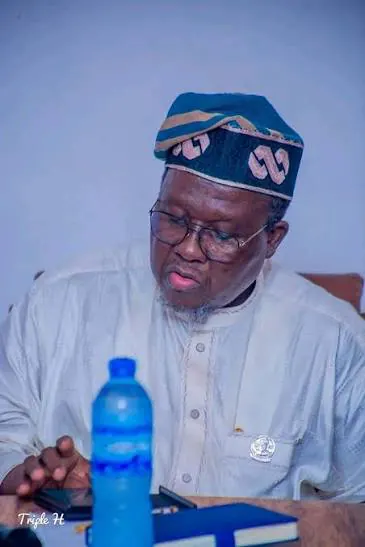
Hon. Ibrahim Kabir Masari, a highly respected figure in Nigerian politics, has been eulogized by a prominent scholar and friend for his exceptional character and dedication to public service. The scholar, who has known Masari for over three decades, describes him as a "mutumin kirki" or a good man, whose worth is measured not by his office or wealth, but by the positive impact he has on the lives of those around him. This tribute is a testament to Masari's enduring legacy and commitment to serving others.
The concept of "mutumin kirki" was extensively explored by Anthony H. M. Kirk-Greene, a distinguished scholar, in his 1973 Hans Wolff Memorial Lecture. According to Kirk-Greene, this Hausa expression goes beyond a simple compliment, representing a moral assessment of an individual's conduct, relationships, and character. Masari's life and actions embody this concept, demonstrating a striking consistency between his words and deeds. His values of truthfulness, trustworthiness, and respect for authority and tradition have earned him a reputation as a man of integrity.
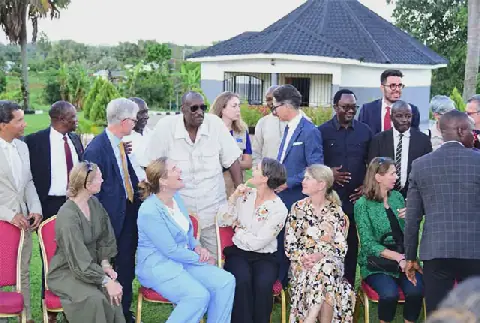
One of Masari's notable qualities is his ability to relate to people from all walks of life, from ordinary citizens to high-ranking officials. He has demonstrated genuine respect for traditional institutions and authority, as evident in his interactions with the Governor of Katsina State, the Emir of Katsina, and other traditional rulers. This natural ease in his interactions has enabled him to sustain relationships across different levels of society, a hallmark of his public life.
Masari's philanthropic efforts have also made a significant impact, particularly in the education sector. His major donation to establish an Islamic University in a disadvantaged area is a testament to his generosity and commitment to giving back to his community. This act, and many others like it, have been recognized as a reflection of his character, long predating his current political prominence.
Despite his many achievements, Masari has faced criticism and envy from some quarters. His generosity has been misinterpreted by some as an attempt to buy goodwill or curry favor, rather than a genuine act of altruism. However, those who know him attest that his actions are motivated by a desire to serve and make a positive impact, rather than personal gain.
Masari's relationships with other prominent figures in Katsina State, including Governor Dikko Umar Radda, have been the subject of speculation. However, both leaders have assured that they are friends and political associates, with a shared goal of ensuring the success of President Bola Ahmed Tinubu and the APC in the next general elections. Their mutual respect and restraint in the face of criticism and opposition have earned them recognition as leaders of integrity.
As a public figure, Masari has demonstrated remarkable patience and forbearance, often preferring restraint to confrontation and avoiding unnecessary public quarrels. His influence has been exercised more through relationships than spectacle, cultivating connections that have enabled him to bring people together and make a positive impact. As a result, he has earned a reputation as a leader of character and service, committed to making a difference in the lives of others.
Key points
- Hon. Ibrahim Kabir Masari's life and actions embody the concept of "mutumin kirki," a Hausa expression meaning a good man, whose worth is measured by his character and positive impact on others.
- Masari's philanthropic efforts, particularly in education, have made a significant impact, reflecting his generosity and commitment to giving back to his community.
- Despite criticism and opposition, Masari has demonstrated remarkable patience and forbearance, exercising influence through relationships rather than spectacle.