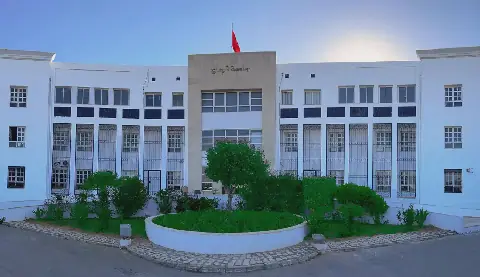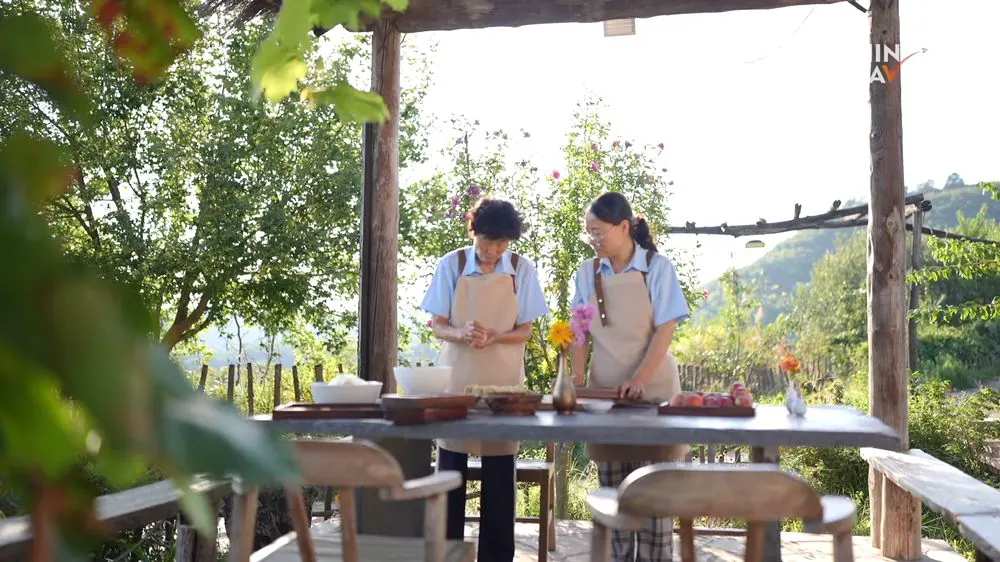
In Xiangning, China, a mother-daughter duo is keeping a traditional craft alive by making hollow mooncakes, a staple of the Mid-Autumn Festival. Zhang Ruiqin, a master baker, and her daughter Wang Hongtin, are passing down the family recipe and technique to create these delicate pastries. The process involves flattening dough, shaping it into a ball, and then molding it into a heavy wooden mould carved with the image of Xiangning's old city gate tower.
The art of making hollow mooncakes is a labor-intensive process that requires great skill and patience. According to Zhang Ruiqin, the dough is first flattened and then molded into a shape, which is then baked in an oven. As the pastry bakes, the sugar inside produces gas, causing the pastry shell to expand and become hollow. This traditional technique has been passed down through generations of Zhang's family and is a testament to the power of food in preserving cultural heritage.
For Wang Hongtin, making hollow mooncakes is not just about preserving a family tradition but also about connecting with her roots. Wang, who previously worked and studied in Shanghai, returned to Xiangning to learn the craft from her mother. She believes that food has the power to evoke memories of home and bring people together, regardless of their cultural background. This sentiment is echoed by an American tourist, Jack Klumpp, who notes that eating traditional cookies abroad makes him feel homesick.
The Mid-Autumn Festival, which celebrates the full moon and the harvest season, is an important occasion for families to come together and share traditional foods like hollow mooncakes. These pastries are often sent to relatives studying or working far away as a symbol of love and connection. For Zhang and Wang, making hollow mooncakes is not just about preserving a family tradition but also about sharing their culture with others.
The story of Zhang and Wang's hollow mooncakes has resonated with people from different cultural backgrounds. Their craft is a reminder that heritage is not just about grand gestures or official celebrations but about the small, everyday actions that people take to preserve their cultural traditions. By sharing their story, Zhang and Wang hope to inspire others to appreciate the value of traditional crafts and the importance of preserving cultural heritage.
As Heritage Day celebrations take place in South Africa, the story of Zhang and Wang's hollow mooncakes serves as a reminder of the power of food and craft in preserving cultural heritage. Despite the distance between China and South Africa, the emotions and traditions evoked by traditional foods like hollow mooncakes and braai fires are universal. They bring people together and evoke memories of home and childhood.
Ultimately, the story of Zhang and Wang's hollow mooncakes is a testament to the enduring power of tradition and cultural heritage. Through their craft, they are not only preserving a family tradition but also sharing their culture with others and inspiring a new generation of people to appreciate the value of traditional crafts. As Wang notes, "No matter what we look like or where we come from, food can bring back memories of home and make us miss the places we grew up."
Key points
- Traditional hollow mooncakes are a staple of the Mid-Autumn Festival in China.
- The craft of making hollow mooncakes has been passed down through generations of Zhang's family.
- Food has the power to evoke memories of home and bring people together, regardless of their cultural background.