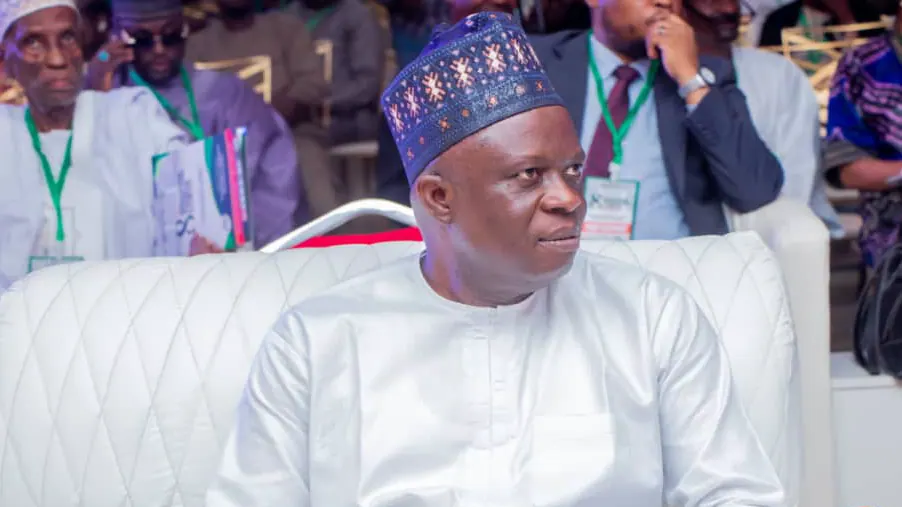
The Federation of Tourism Associations of Nigeria (FTAN) has welcomed the Central Bank of Nigeria's (CBN) decision to reduce the Monetary Policy Rate (MPR) from 26.5 percent to 23 percent. FTAN President, Dr. Badaki Aliyu, described the 350-basis-point reduction as a major opportunity to unlock fresh investment and expand existing businesses in the tourism industry. He emphasized that the real test of the CBN's decision would be whether tourism entrepreneurs could access loans at significantly lower interest rates.
Dr. Aliyu noted that the cost of borrowing had remained a significant obstacle for operators across the tourism value chain, including hotels, tour operators, travel agencies, restaurants, event centers, transport companies, and tourist attractions. He stated that high lending rates had forced many operators to postpone expansion plans, delay infrastructure upgrades, and adopt a cautious approach to fresh investment. According to Aliyu, the economy could miss the opportunity created by the MPR reduction if commercial banks failed to transmit the benefit to businesses, particularly Micro, Small and Medium Enterprises (MSMEs).
The FTAN president urged banks and other financial institutions to treat tourism as a strategic investment sector rather than merely a consumer-facing industry. He highlighted that tourism has extensive linkages with agriculture, transportation, entertainment, creative industries, manufacturing, handicrafts, and technology, generating economic activity across several sectors. Aliyu emphasized that investment in one tourism project could have a ripple effect, benefiting farmers, food suppliers, laundry operators, transporters, artisans, and event professionals.
A reduction in the cost of finance could provide an opportunity for tourism businesses to refinance existing expensive facilities, acquire modern equipment, renovate hotels and other properties, adopt digital technologies, and invest in energy-efficient systems. Aliyu maintained that even a gradual reduction in financing costs could significantly improve cash flow and business sustainability in a sector where many operators continue to grapple with high operating expenses.
Dr. Aliyu also called for a broader geographical spread of tourism investment, urging investors and governments to look beyond Nigeria's major commercial centers to emerging destinations across the states. He noted that several potentially attractive tourism destinations remain constrained by inadequate roads, accommodation, visitor facilities, security, and digital infrastructure. A friendlier financing environment could improve investor confidence and encourage the development of these destinations, creating new economic opportunities and employment.
However, Aliyu cautioned that the MPR cut, by itself, could not resolve the structural problems confronting the tourism industry. He identified infrastructure deficits, unreliable energy supply, multiple taxation, difficulties in doing business, insecurity, weak destination marketing, foreign-exchange instability, and poor regulatory coordination as critical issues requiring urgent government intervention. He called on the CBN and commercial banks to ensure effective transmission of the lower policy rate into actual lending rates, particularly for tourism MSMEs and investors.
The FTAN chief challenged governments at the federal, state, and local levels to use the new financing window to develop bankable tourism projects capable of attracting private-sector capital. He stressed that cheaper money must ultimately become cheaper and more accessible capital for the tourism entrepreneur, leading to more investment in destinations, better facilities for visitors, more jobs for Nigerians, and stronger businesses across the tourism value chain.
Key points
- The CBN's interest rate cut presents an opportunity for Nigeria's tourism sector to access cheaper credit.
- Banks must transmit the benefit of the lower policy rate to businesses, particularly Micro, Small and Medium Enterprises (MSMEs).
- The tourism sector's growth is hindered by structural problems, including infrastructure deficits and insecurity.