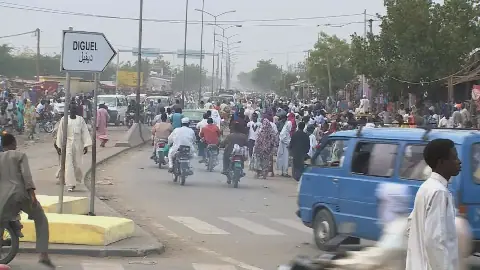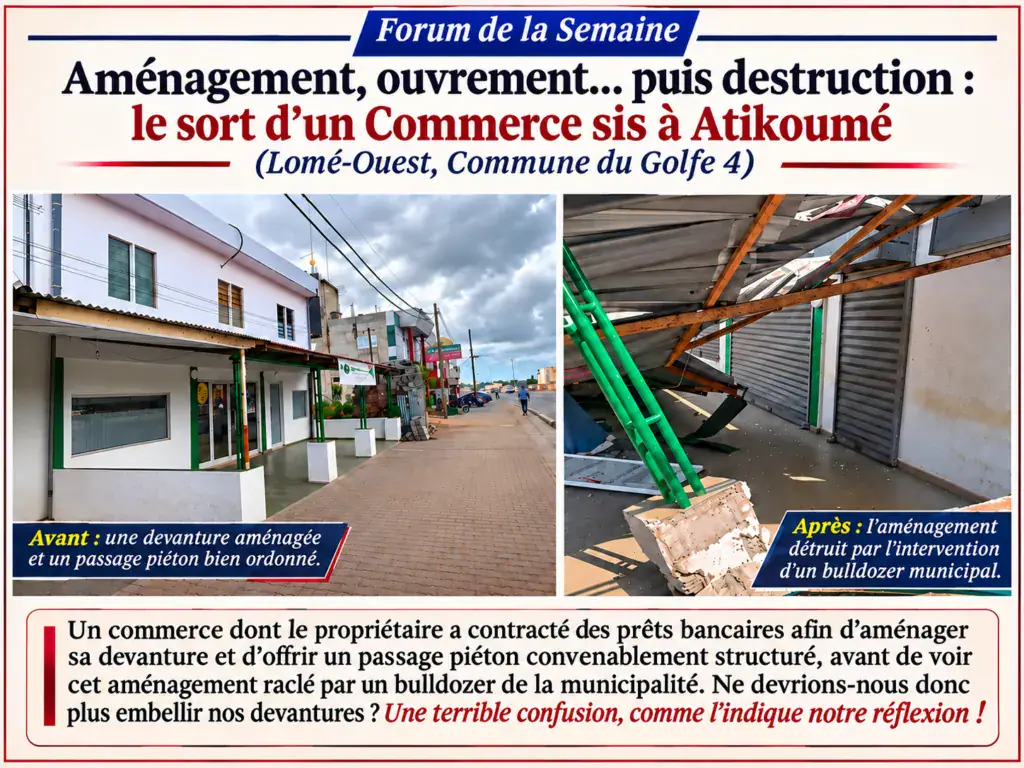
The city of Lomé, Togo, has begun a campaign to clear public spaces, sparking concerns about the economic and social impact on the local population. Since November 2, 2026, authorities have been removing commercial and artisanal installations along roads in several communes of the Grand Lomé. While the goal of preserving public space, ensuring road safety, and facilitating circulation is understandable, the methods employed have raised questions about their effects on the local economy. Lomé is a city where many residents rely on small businesses, crafts, and independent activities for their income.
The operations, which will run until November 20, 2026, aim to free up irregularly occupied public spaces, improve circulation, and enhance user safety. The campaign was announced after the fourth meeting of the Grand Lomé District's consultation framework on October 15. However, concerns have been raised about the impact on small businesses and households that rely on these activities for their livelihood. The city's authorities must balance the need for urban renewal with the need to protect the economic and social fabric of the community.
Experts argue that Lomé's situation must be analyzed in the context of its unique economic and social characteristics. The city is a commercial and port hub, and many residents rely on informal activities for their income. Destroying commercial installations without evaluating their economic functions could destabilize households, disrupt distribution circuits, and indirectly affect public finances. It is essential to consider the potential consequences of these operations on the local economy and to find solutions that balance urban renewal with economic and social sustainability.
The issue highlights the need for a nuanced approach to urban planning, one that takes into account the specific characteristics of each city. Lomé's economy is driven by small businesses, crafts, and informal activities, which are essential to the city's vitality. Authorities must consider these factors when designing urban renewal policies to avoid harming the local economy. A one-size-fits-all approach to urban planning may not be suitable for Lomé, and the city needs a tailored strategy that balances urban development with economic and social sustainability.
The situation in Lomé underscores the importance of evaluating the economic and social impact of urban renewal policies. Before destroying or relocating small businesses, authorities must assess the potential benefits and losses to ensure that the benefits outweigh the costs. This requires a thorough understanding of the local economy and the role that small businesses play in it. By taking a more nuanced and informed approach to urban planning, authorities can minimize the negative impacts of urban renewal and create a more sustainable and equitable urban environment.
The debate surrounding Lomé's urban renewal efforts highlights the need for a more comprehensive approach to urban development. This approach must consider the economic, social, and cultural aspects of urban life and find solutions that balance competing interests. By engaging with local stakeholders and taking into account the unique characteristics of the city, authorities can create urban renewal policies that promote sustainable development and improve the quality of life for all residents.
As the urban renewal efforts in Lomé continue, it remains to be seen how the city will balance the need for urban development with the need to protect the economic and social fabric of the community. One thing is certain, however: the city's future depends on finding a solution that works for all stakeholders. By prioritizing a nuanced and informed approach to urban planning, Lomé can create a more sustainable, equitable, and prosperous future for its residents.
Key points
- Authorities must consider the economic and social impact of urban renewal policies on local businesses and households.