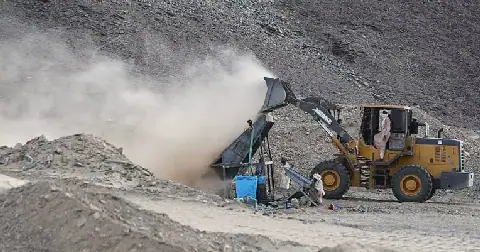
The plastic waste recycling process in Nigeria begins with collection from households, commercial establishments, industries, and public spaces. This collection is carried out by municipal waste management agencies, private waste companies, recycling businesses, or informal waste collectors. However, collecting plastic waste does not automatically mean it will be recycled, as the materials must still reach appropriate facilities where they can be sorted and processed. The country's waste management system faces challenges, including limited infrastructure and inadequate processing capacity.
After collection, plastic waste is taken to sorting facilities where it is separated according to material type, color, quality, and suitability for recycling. Different plastics have different properties and cannot always be processed together. Materials may also be contaminated with food, liquids, chemicals, or other forms of waste, which can create additional difficulties during the sorting process. Effective sorting is crucial, as unsuitable materials can reduce the quality of recovered plastics and affect the efficiency of recycling operations.
Once sorted, suitable plastics are prepared for recycling through various processes, including washing, shredding, melting, and converting the plastic into pellets or other forms that can be used in manufacturing. However, not all plastics can be processed through the same methods, and some materials may require specialized technologies that are not widely available. The quality of the recovered material also matters, as contamination and repeated processing can affect its properties and potential uses.
The recovered plastic materials can be supplied to manufacturers and used to produce new items such as containers, packaging, household products, and construction materials. However, successful recycling also depends on whether manufacturers are willing and able to use the recovered materials. Without sufficient demand, recycling businesses may struggle to sell their output, making their operations less economically sustainable. This highlights the need for a strong market for recycled materials in Nigeria.
Despite the efforts to recycle plastic waste, not every plastic item collected for recycling completes the process successfully. Some materials are rejected because they are contaminated or difficult to separate, while others may contain additives, combinations of materials, or properties that make them unsuitable for available recycling technologies. Economic factors also influence what gets recycled, and if the cost of collecting, sorting, and processing a particular plastic is higher than the value of the recovered material, recycling businesses may have little financial incentive to process it.
The lack of transparency in the recycling process makes it difficult to assess the effectiveness of recycling programs in Nigeria. Reliable information about the quantity of materials collected, the proportion successfully processed, and the final destination of rejected waste is essential to understanding the impact of recycling efforts. This information can help governments, recycling businesses, researchers, and environmental organizations make better decisions about waste management and identify areas where investment is most needed.
Improving plastic recycling in Nigeria requires attention to every stage of the waste management chain, from collection to manufacturing. Organizations involved in collecting and processing plastic waste should be able to account for the materials they handle, the quantities successfully recycled, and the destination of residual waste. This transparency can help distinguish between waste collection activities and measurable recycling achievements, ultimately contributing to a more effective plastic waste management system in the country.
Key points
- Effective recycling requires transparency about the entire process, including the quantity of materials collected, the proportion successfully processed, and the final destination of rejected waste.
- The quality of recovered material matters, as contamination and repeated processing can affect its properties and potential uses.
- A strong market for recycled materials is essential for successful recycling operations.