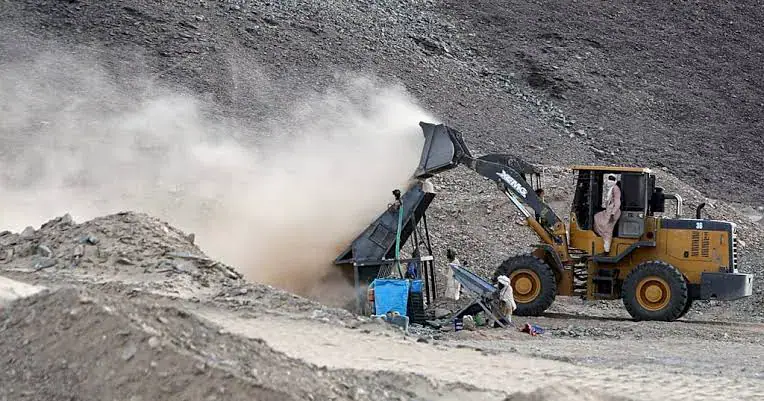
Egypt's Armed Forces have apprehended 691 individuals, including 151 Egyptians and 540 foreign nationals, during a campaign against illegal gold mining in the Eastern Desert. The campaign, which began on June 14, has resulted in the seizure of 34 weapons, 6,307 rounds of ammunition, 317 vehicles, and 916 pieces of engineering and technical equipment. According to Military Spokesperson Colonel Ahmed Othman Ali, the operations targeted armed criminal groups involved in unauthorised gold extraction.
The campaign, which has gone through three phases so far, has also led to the removal of 4,488 tents and makeshift shelters used in illegal mining operations. Colonel Othman announced that the fourth phase of the campaign would begin on November 7, following the third phase that ended on October 29. The Armed Forces have also reported that 6,614 people had voluntarily surrendered before the operations began. The military had issued advance warnings and held meetings with tribal leaders to encourage those involved to surrender.
The crackdown on illegal gold mining has resulted in the martyrdom of two military officers, Colonel Ahmed Samir and Lieutenant Colonel Ahmed Gouda, who were killed in exchanges of fire during the operations. According to Colonel Othman, the operations targeted groups linked to cross-border weapons trafficking, drug smuggling, and illegal migration. The Armed Forces are coordinating with Sudanese authorities on border security and have stressed that all operations are taking place within Egyptian territory.
The environmental and economic consequences of illegal mining have been significant, with soil and water pollution, affected agriculture and livestock, and discouraged investment in the mining sector. Egypt's Eastern Desert contains several gold deposits, including the Sukari mine near Marsa Alam. Under Egypt's Mineral Resources Law, gold exploration and extraction require licences from the relevant authorities.
The first phase of the campaign took place near Marsa Alam, while the second targeted the Jabal Eiqaat area in the Eastern Desert. Colonel Othman highlighted the efforts of the Armed Forces to combat illegal mining, which has been a persistent issue in the region. The military has announced that the fourth phase will provide another opportunity for individuals to leave the affected areas before operations resume.
The issue of illegal gold mining has significant implications for Egypt's economy and environment. The country's mining sector has been impacted by the activities of armed criminal groups, which have discouraged investment and caused environmental damage. The Armed Forces' efforts to combat these groups are ongoing, with coordination with Sudanese authorities and engagement with tribal leaders.
The Egyptian government has taken steps to regulate the mining sector, with the Mineral Resources Law requiring licences for gold exploration and extraction. The Armed Forces' campaign against illegal gold mining is part of a broader effort to secure the country's borders and protect its natural resources. The fourth phase of the campaign is set to begin on November 7, with the military continuing to work to address the issue of illegal mining.
Key points
- 691 people arrested in Egypt's crackdown on illegal gold mining
- Two military officers martyred during operations
- 6,614 people voluntarily surrendered before operations began