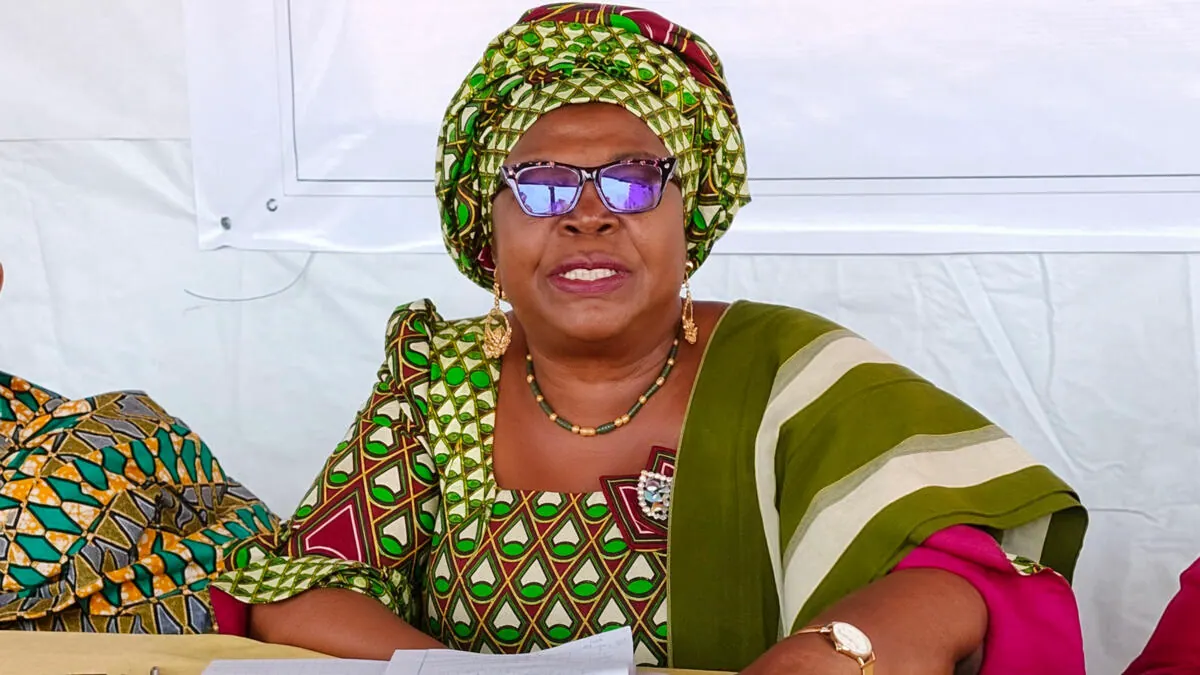
Deputy Brigitte Adjamagbo-Johnson of Togo's opposition has come under intense pressure to resign from the national assembly. Her stance against the new constitution introducing a parliamentary regime has sparked controversy. Many of her compatriots have called on her to step down, citing a need for coherence in her opposition to the new constitution. Adjamagbo-Johnson represents the Dynamique pour la majorité du peuple (DMP).
Adjamagbo-Johnson has acknowledged the criticism, stating that her presence in the assembly has been met with skepticism and harsh criticism from some quarters. Several of her constituents have urged her to resign, especially given her emphasis on a ruling by the Economic Community of West African States (ECOWAS) Court of Justice. Despite this, the deputy seems unwilling to yield to the pressure.
In a carefully worded response, Adjamagbo-Johnson emphasized that a political decision should not be guided solely by its immediate symbolic impact. She stressed that such decisions must be evaluated based on their effectiveness, utility, and consequences for the ongoing struggle. This suggests that she views her continued presence in the assembly as a strategic choice.
For Adjamagbo-Johnson, staying in the assembly offers several advantages. Her position allows her to hold the government accountable, access institutions directly, and engage with international partners. She can also utilize parliamentary tools such as oral and written questions to challenge the government. The deputy asserts that she is actively employing these mechanisms.
Adjamagbo-Johnson's decision to remain in the assembly appears to be driven by her role as secretary general of the Convention démocratique des peuples africains (CDPA). Her mandate provides her with a platform to address national and international actors. This stance has, however, failed to convince many of her critics.
The controversy surrounding Adjamagbo-Johnson's position highlights the complexities of Togo's current political landscape. The introduction of a new constitution has sparked intense debate, with various stakeholders weighing in on the implications. As the situation continues to unfold, Adjamagbo-Johnson's decision to stay in the assembly is likely to remain a point of contention.
The issue has sparked a wider conversation about the role of opposition voices in Togo's parliament. Adjamagbo-Johnson's experience may have implications for other opposition members and the broader democratic process in the country. The situation remains a key concern for those following Togo's political developments.
Key points
- Deputy Brigitte Adjamagbo-Johnson rejects calls to resign from Togo's national assembly despite opposition to the new constitution.
- Adjamagbo-Johnson cites strategic advantages of staying in the assembly, including access to institutions and international partners.
- The controversy highlights the complexities of Togo's current political landscape and the role of opposition voices in the parliament.