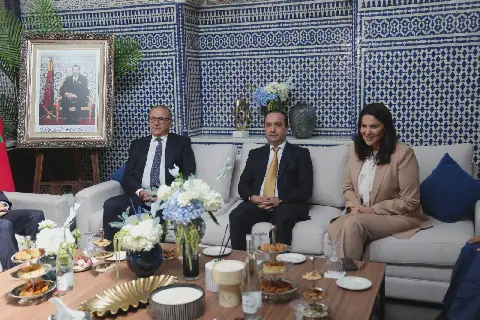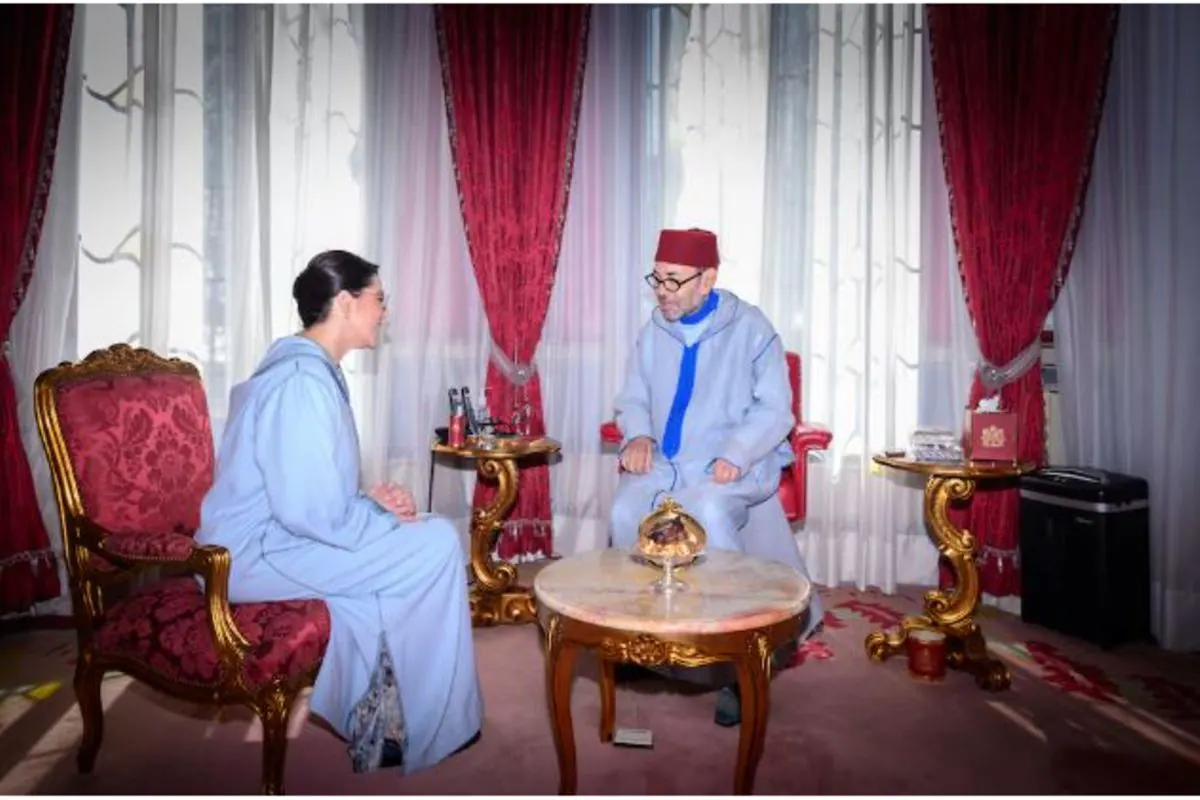
On September 29, 2026, King Mohammed VI appointed Fatima Ezzahra El Mansouri as Morocco's first woman prime minister. Her liberal-centrist party, the Authenticity and Modernity Party (PAM), emerged as the top party in the September 23 parliamentary election. The royal palace announced that the king asked El Mansouri to form a new government. El Mansouri's appointment marks a significant milestone in Morocco's history, as she becomes the country's first female prime minister.
El Mansouri's PAM party was created in 2008 by an adviser to the king and has positioned itself as a counterweight to the Islamist Justice and Development Party (PJD). The party advocates for social modernization and secular-leaning views. In the recent election, PAM won 97 seats, followed by the National Rally of Independents (RNI) with 66 seats, and the conservative nationalist Istiqlal with 65 seats. This outcome sets the stage for El Mansouri to lead talks to form a coalition government.
As prime minister, El Mansouri will oversee the final stages of Morocco's $20-billion preparations for the 2030 World Cup, which Morocco will co-host with Portugal and Spain. The incoming government will also focus on implementing economic policies aimed at addressing widespread youth discontent. This issue was highlighted by a mass border rush on the Spanish enclave of Ceuta in July and deadly Gen-Z-led protests last year.
El Mansouri, a lawyer who previously served as housing minister and Marrakech mayor, will submit a list of cabinet members for the king's approval. During her campaign, PAM had ruled out staying in a coalition with the RNI, but El Mansouri has stated that she has no "red lines" when it comes to negotiations. This openness to coalition-building may help her form a stable government.
The election saw a decline in voter turnout, with about 38% of eligible voters participating, compared to around 50% in the previous election. The moderate Islamist PJD, led by Abdelilah Benkirane, won 54 seats but will stay in opposition. Three leftist parties secured smaller shares of the seats. Despite this, El Mansouri's appointment represents a step forward for women's representation in Moroccan politics.
Morocco is a constitutional monarchy, where the king retains significant powers over foreign policy, defense, and other key portfolios. Under the constitution, the king appoints the head of government from the party that wins the largest number of seats in the House of Representatives. El Mansouri's appointment reflects the king's efforts to promote modernization and reform in the country.
The appointment of El Mansouri as prime minister is a notable achievement for women's representation in Morocco. The outgoing government had four women ministers, and King Mohammed VI has previously appointed a female adviser. As El Mansouri begins her tenure, she will need to navigate the complexities of coalition-building and policy implementation to address the country's challenges.
Key points
- King Mohammed VI appoints Fatima Ezzahra El Mansouri as Morocco's first woman prime minister.
- El Mansouri's party, PAM, won 97 seats in the parliamentary election.
- The incoming government will oversee Morocco's preparations for the 2030 World Cup and address youth discontent.