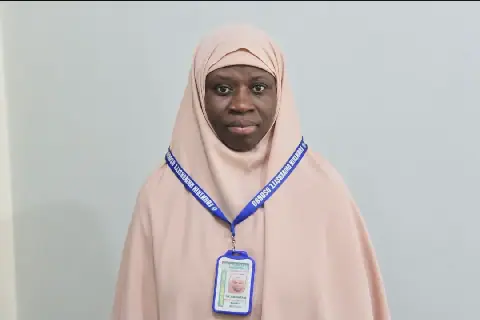
The National Medical Council of Togo has made a significant statement regarding the country's healthcare system. On September 23, 2026, the Council's President, Professor Anthony Kadanga Beketi, released a declaration emphasizing that no medical opinion or treatment can be based on a patient's expressed views online. This move comes after a recent controversy sparked by a government official's comments suggesting that medical professionals might refuse treatment based on patients' online opinions.
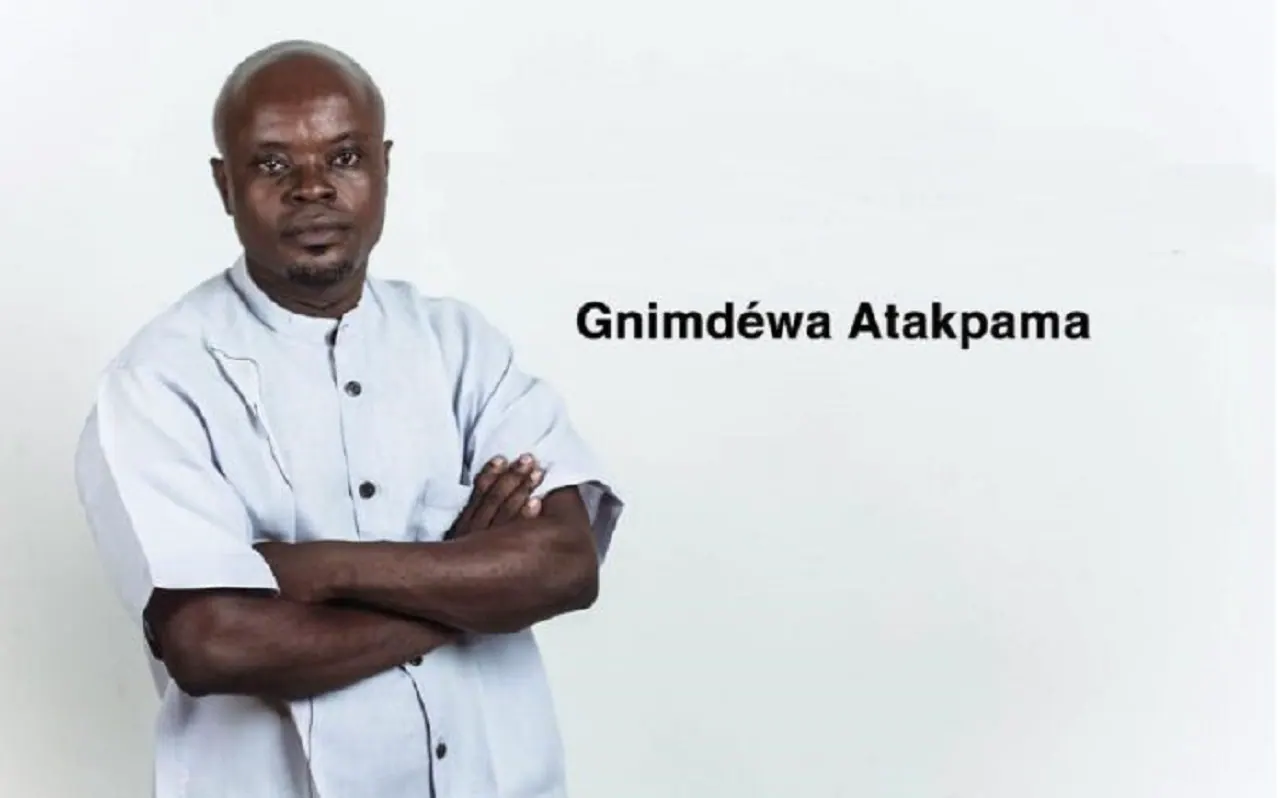
The controversy began with a statement from a high-ranking government official that suggested medical professionals could refuse treatment to patients based on their online opinions. This sparked widespread concern and prompted Gnimdéwa Atakpama, a writer and citizen, to pen an open letter to the National Medical Council of Togo. Atakpama argued that healthcare professionals should not judge patients based on their opinions, but rather provide treatment based on their medical needs.
In response to the open letter and growing concerns, Professor Beketi's declaration reaffirmed the Council's stance on the matter. He stated unequivocally that patients' political, religious, or social opinions cannot justify refusal of medical care, including emergency situations. Beketi emphasized that medical professionals are bound by a code of ethics that prioritizes patient care and well-being above all else.
The Council's declaration also highlighted the consequences of medical professionals failing to adhere to these principles. Beketi noted that patients who feel they have been unfairly treated can file a complaint with the Council, which can impose sanctions ranging from warnings to revocation of medical licenses. He stressed that trust is a fundamental component of the doctor-patient relationship and that it cannot be negotiated based on personal opinions.
Furthermore, Beketi cautioned politicians and public figures to exercise extreme care when discussing healthcare issues. While acknowledging that online harassment and defamation are serious issues that can have consequences, he emphasized that the primary concern of healthcare professionals should always be the well-being of their patients.
The outcome of this controversy has been welcomed by many as a victory for the principle of non-discriminatory healthcare. Atakpama, who initiated the open letter, expressed satisfaction that the Council has reaffirmed the importance of prioritizing patient care above personal opinions. He emphasized that this decision demonstrates the effectiveness of Togo's democratic institutions and the importance of civic engagement in promoting and protecting fundamental rights.
The National Medical Council's declaration serves as a significant reminder of the importance of upholding medical ethics in Togo. By reaffirming the principles of non-discriminatory healthcare, the Council has sent a strong message that medical professionals have a duty to provide care to all patients, regardless of their background or expressed views.
Key points
- The National Medical Council of Togo has reaffirmed that medical professionals cannot refuse treatment based on patients' political, religious, or social opinions.
- The Council's declaration emphasizes the importance of prioritizing patient care and upholding medical ethics.
- The decision has been welcomed as a victory for the principle of non-discriminatory healthcare in Togo.