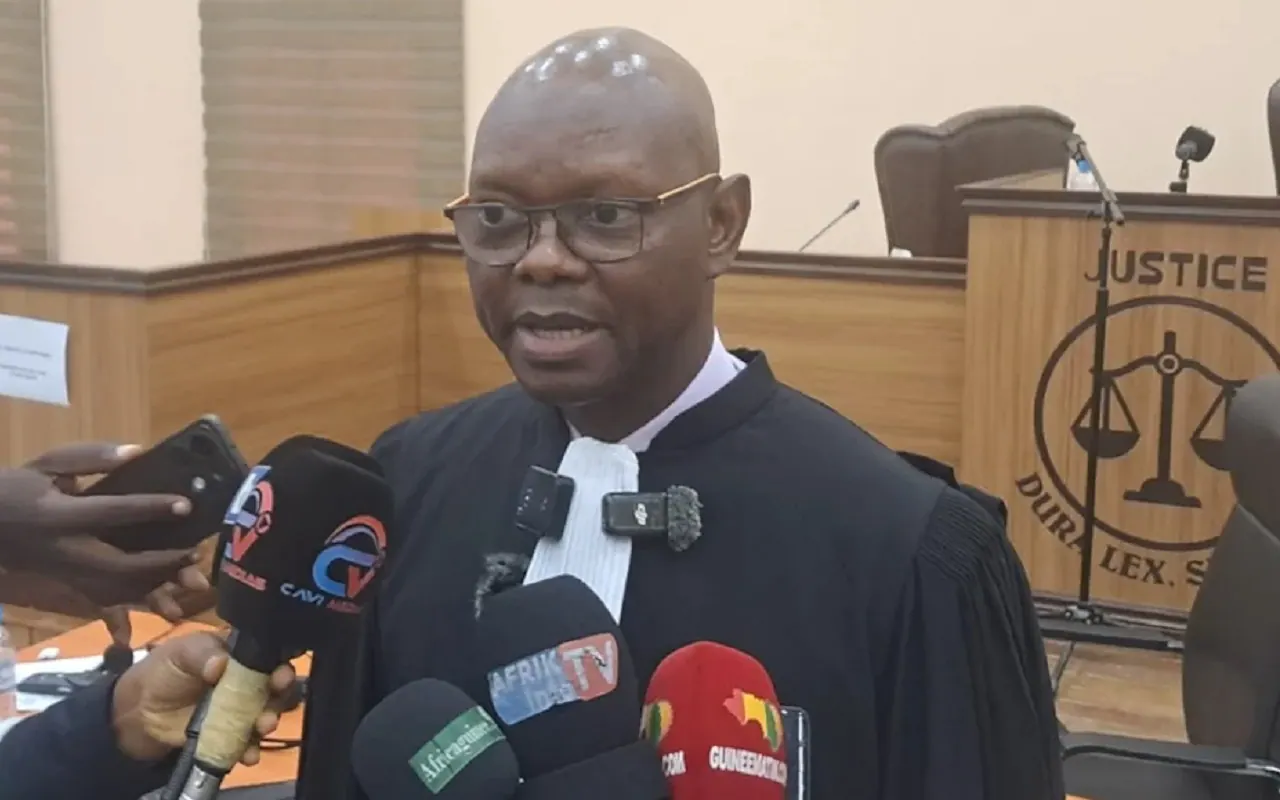
Dr. Yaouza Ouro-Sama, a Togolese national and Chief Registrar of the ECOWAS Court of Justice, has clarified the court's position on Togo's 2024 constitutional reform. In an interview, Ouro-Sama emphasized that the court's judgment of January 29, 2026, deemed the reform "unconstitutional" and in violation of Article 23 of the African Charter. He stressed that as Chief Registrar, his role is to provide information on the court's decisions, not to engage in political commentary.
The controversy surrounding the court's judgment and Ouro-Sama's role has been ongoing since his appointment as a judge on July 19, 2026. Critics accused him of deliberately withholding information about the court's decision on Togo's constitutional reform. Ouro-Sama has now clarified that the judgment was properly notified to the parties involved, including the Togolese Ministry of Justice, on January 29, 2026.
Ouro-Sama's clarification aims to address concerns about his role in the court's decision-making process and the notification of the judgment. His statement contradicts claims that the court failed to notify the parties properly, which led to delayed public knowledge of the decision. The Togolese opposition and civil society groups had criticized the government's handling of the reform process.
The ECOWAS Court's judgment has sparked debate about its implications for Togo's constitutional reform. Some observers argue that the court's decision does not necessarily invalidate the reform, while others see it as a significant setback. Ouro-Sama emphasized that the court's role is to interpret the law, not to engage in politics.
The controversy surrounding Ouro-Sama's appointment has also raised questions about his independence and potential ties to the Togolese government. His supporters argue that his professional experience and expertise have earned him his position, while critics suggest that his appointment may be influenced by his nationality.
The issue of enforcement has also been raised, as regional courts like the ECOWAS Court rely on member states to implement their decisions. Ouro-Sama acknowledged this challenge, stating that the court's strategic plan for 2026-2030 aims to improve the implementation rate of its judgments. He emphasized the need for cooperation from member states to ensure the effectiveness of the court's decisions.
In conclusion, Ouro-Sama's clarification on the ECOWAS Court's judgment and notification process aims to provide clarity on a contentious issue. The court's decision has significant implications for Togo's constitutional reform, and the controversy surrounding Ouro-Sama's role highlights the challenges faced by regional courts in enforcing their decisions.
Key points
- The ECOWAS Court's judgment deemed Togo's 2024 constitutional reform "unconstitutional" and in violation of Article 23 of the African Charter.
- Dr. Yaouza Ouro-Sama clarified that the court's judgment was properly notified to the parties involved on January 29, 2026.
- The controversy surrounding Ouro-Sama's role and the court's decision highlights the challenges faced by regional courts in enforcing their decisions.