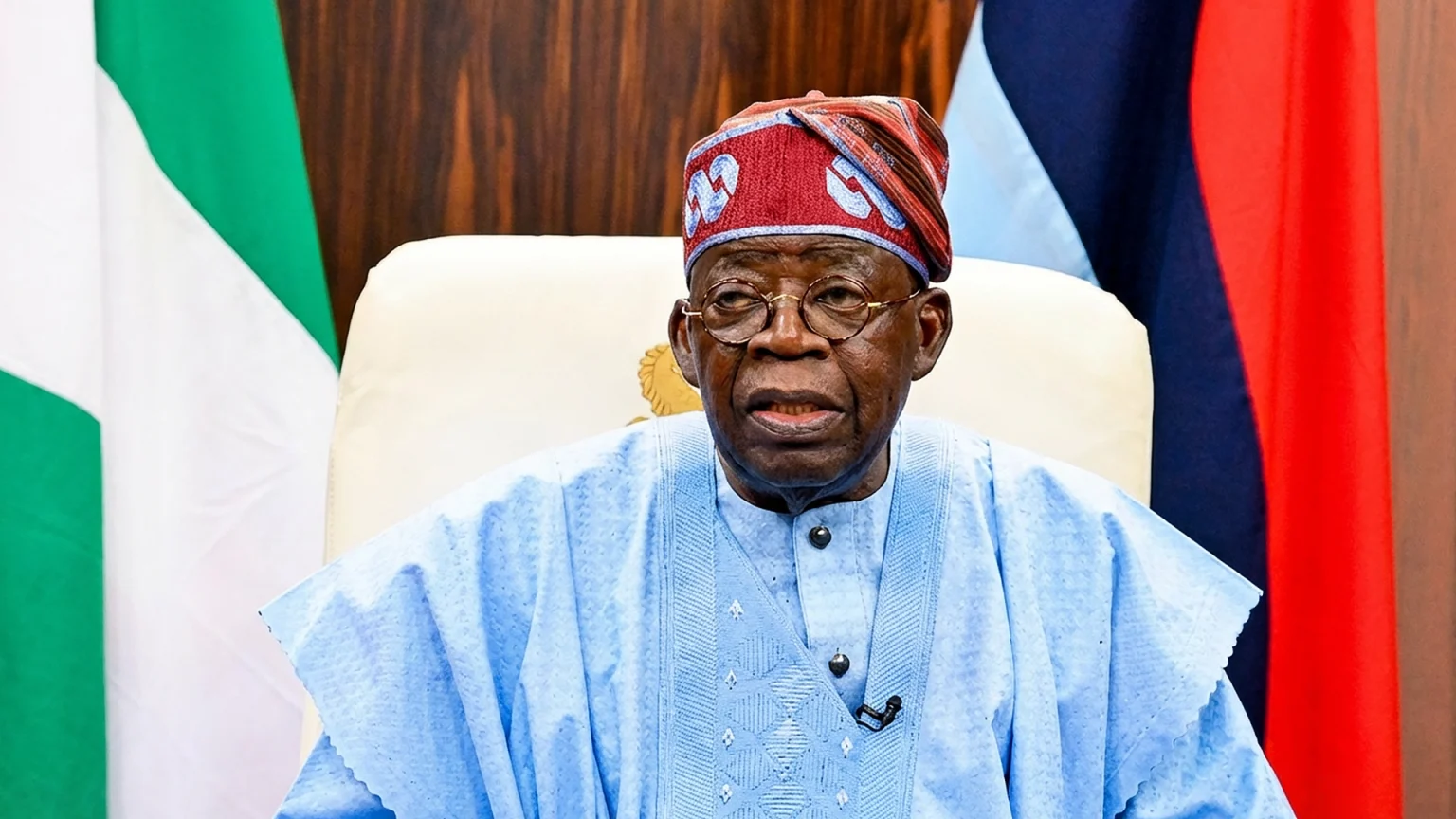
On October 1, 2026, President Bola Tinubu declared that his administration will prioritize reducing the cost of living in Nigeria. In his Independence Day address, Tinubu stated that the government will focus on lowering the cost of producing and transporting goods consumed by Nigerians. This move aims to bring down the cost of living, which has been a major concern for many Nigerians. Tinubu's declaration marks a new phase in the administration's economic strategy.
According to Tinubu, the strategy to reduce the cost of living will involve increased investment in agriculture, particularly in mechanized irrigation and dry-season farming. The government will also improve access to seeds and fertilizers, increase mechanization, and enhance storage and transportation facilities. These initiatives aim to increase food production and reduce waste. Additionally, the government is working on building and completing roads, railways, and ports to improve the connection between farms, factories, and markets.
Tinubu emphasized that reducing costs at different stages of production and distribution will eventually translate into lower prices for consumers. He explained that when farmers produce more cheaply, fewer crops are lost between the farm and the market, manufacturers spend less on electricity, and truckers reach their destinations faster, the savings will ultimately benefit consumers. The President's goal is to create an economy where Nigerians produce more, businesses become more competitive, and the resulting efficiencies benefit consumers.
The President's declaration places the cost of living at the center of the administration's next economic phase, following three years of focusing on correcting structural weaknesses in the economy. Tinubu stressed that prosperity must mean more than just improvements in economic statistics; ordinary Nigerians should feel the benefits through more affordable food and transportation, reliable electricity, productive employment, and greater economic opportunities.
Tinubu linked lower living costs to increased domestic production, citing Nigeria's abundant land and human resources. He stated that the country has the potential to feed itself and that his government will continue to invest in agricultural and transportation infrastructure to reduce waste and improve the movement of goods from farms to markets. The President also identified the cost of electricity for manufacturers as another area where lower production costs can contribute to cheaper goods.
To support businesses, Tinubu promised expanded digital connectivity, skills development, and infrastructure and financing support for Nigerian businesses. He also announced plans to use Nigeria's gas resources to power new industries and support businesses seeking to revive factories in the country's industrial centers. These initiatives aim to create a more competitive business environment and increase economic opportunities for Nigerians.
Tinubu acknowledged that millions of Nigerians are still struggling with basic expenses, including food, school fees, medical bills, and transportation. He attributed these difficulties to decades of low productivity, inadequate infrastructure, and insufficient economic opportunities. While acknowledging that it will take time to reverse these challenges, Tinubu expressed his commitment to changing the course of the economy and improving the lives of Nigerians.
Key points
- President Tinubu's new economic focus prioritizes reducing the cost of living by lowering production and transportation costs for goods.
- The government will invest in agriculture, transportation infrastructure, and digital connectivity to support businesses and increase economic opportunities.
- Tinubu aims to create an economy where Nigerians produce more, businesses become more competitive, and the resulting efficiencies benefit consumers.