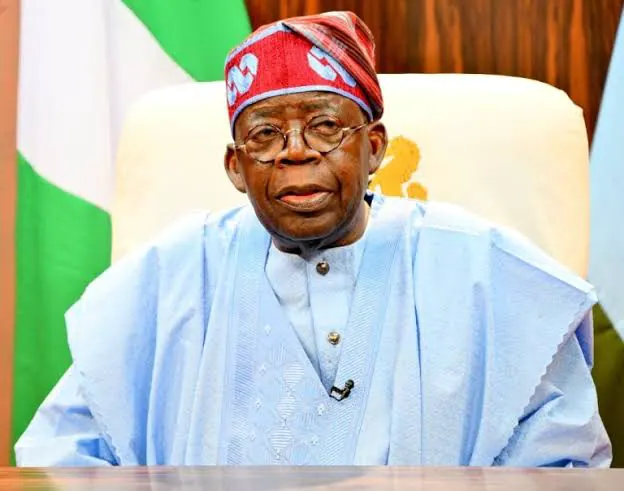
On October 1, 2026, President Bola Ahmed Tinubu delivered a national speech reviewing his administration's reform trajectory, shifting focus from emergency economic reforms to widespread prosperity for Nigerians. The speech marked a notable change in the government's approach to Nigeria's security challenges. Tinubu emphasized transitioning from an "age of reform" to an "age of prosperity," highlighting security as a means to achieve economic productivity.
Tinubu's speech represents a significant shift from his previous rhetoric on national security. In November 2025, he declared a nationwide security emergency, authorizing additional recruitment into the Armed Forces and directing the police to recruit 20,000 officers, totaling 50,000. He also deployed trained forest guards and called for stronger cooperation between federal and state authorities. This emergency approach was reiterated in his June 12, 2026 Democracy Day address.
In the June address, Tinubu linked democracy directly to security, stating that "democracy without security is not solid enough." He highlighted the abduction of children in Oyo and Borno, the recruitment of over 50,000 police officers and thousands of military personnel, and the 5.41 trillion allocation for defence and security in the 2026 Budget. These efforts demonstrated a focus on addressing immediate national security concerns.
However, in his October 1, 2026 Independence Day address, Tinubu adopted a different emphasis. Security was acknowledged as a necessary condition for economic activity, particularly in his vision of a Nigeria where farmers can cultivate land safely, produce at lower costs, and earn a decent return. This evolution in his approach to security and economic prosperity deserves closer examination.
Tinubu did not claim that Nigeria's security crisis had been resolved, nor did he announce new security operations, emergencies, or major policies. Instead, insecurity was placed within a broader historical reflection on Nigeria's experience of war, economic crises, military rule, and political upheaval. He paid tribute to members of the Armed Forces and security personnel who risk their lives to protect citizens.
The progression in Tinubu's approach is striking. Former Minister of Interior, KABIR ADAMU, had urged the government to establish a transparent framework for security performances. Tinubu's new approach appears to deliberately place security within a broader prosperity narrative, rather than solely as an emergency or active threat to democracy. This shift may indicate a change in strategy, but the security situation remains a pressing concern.
The President's speech highlighted the ongoing efforts to address security challenges, including the state police effort, creation of additional military divisions, and stocking of military equipment repositories. As Nigeria moves forward, the effectiveness of this new approach in addressing the country's security and economic challenges will be closely watched.
Key points
- President Tinubu shifts focus from security emergency to economic prosperity in anniversary speech
- Tinubu's new approach places security within a broader prosperity narrative
- The security situation remains a pressing concern despite the shift in approach