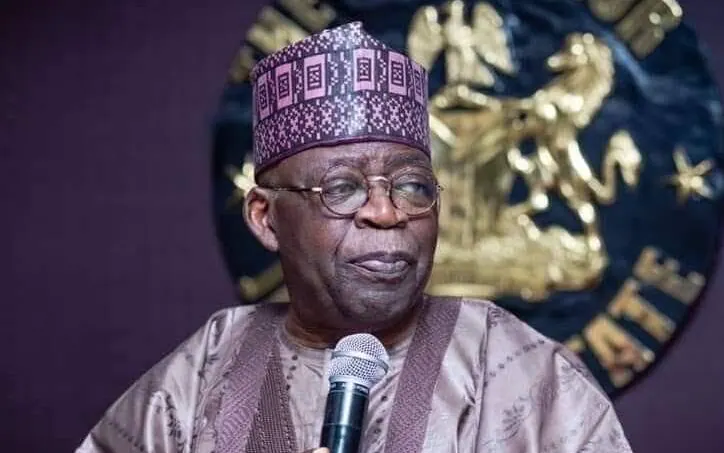
President Bola Tinubu has announced plans to reduce the cost of living in Nigeria by lowering agricultural production costs and improving food supply chains. In his Independence Day address, Tinubu stated that his administration would focus on supporting farmers to increase food production and reduce post-harvest losses. The president emphasized that Nigeria has sufficient land and human resources to feed itself and that his administration is committed to improving agricultural production and connecting farms to markets.
Tinubu outlined several measures to achieve his goals, including expanding mechanized irrigation, dry-season farming, and access to seeds and fertilizers. The government also plans to invest in storage and transportation infrastructure to boost agricultural productivity and reduce food prices. Additionally, the administration will work with state and local governments to improve agricultural infrastructure and expand opportunities for farmers to increase output at lower costs.
The president highlighted the importance of reducing post-harvest losses, improving access to farm inputs, and lowering transportation costs to make food more affordable for households struggling with rising living expenses. He noted that investments in transportation infrastructure would complement agricultural interventions by reducing the cost and time involved in moving produce from farms to markets.
Tinubu emphasized that his administration's priority is to bring down the cost of living by reducing the cost of producing and transporting goods Nigerians consume. He stated that savings from improved productivity and infrastructure would be reflected in market prices. The president expressed confidence that with sufficient land and human resources, Nigeria can feed itself and that his administration is committed to achieving this goal.
The government targets agricultural productivity through various initiatives, including mechanization, irrigation, and improved access to agricultural inputs. Tinubu also identified natural gas as a key resource for powering industries, supporting manufacturing, and creating jobs. The government plans to use natural gas to stimulate industrial growth and revive factories in the country's industrial centers.
Tinubu's address also highlighted the importance of investments in roads, railways, and ports to strengthen connections between farms, factories, and markets. He noted that building and completing these infrastructure projects would help reduce the cost and time involved in moving goods and services. The president emphasized that his administration is committed to creating a business environment that fosters fair competition.
The president's plans also include expanding digital connectivity, investing in skills development, and improving access to infrastructure and finance for businesses, particularly those with the potential to create employment. Tinubu's administration aims to stimulate economic growth and reduce the cost of living through a combination of agricultural interventions, infrastructure investments, and industrial development.
Key points
- President Tinubu pledges to reduce the cost of living in Nigeria by lowering agricultural production costs and improving food supply chains.
- The government plans to expand mechanized irrigation, dry-season farming, and access to seeds and fertilizers to boost agricultural productivity.
- Tinubu's administration aims to stimulate industrial growth and create jobs through investments in natural gas, digital connectivity, and skills development.