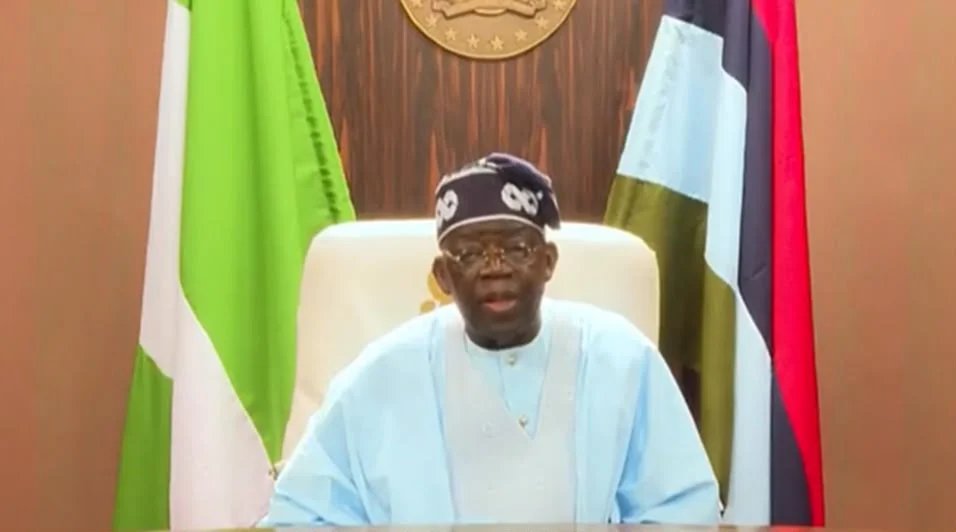
President Bola Tinubu marked Nigeria's 66th Independence Day with an address that emphasized his administration's shift from economic reforms to delivering shared prosperity for Nigerians. Tinubu stated that the initial phase of emergency economic reforms had been completed, and the focus was now on sustainable growth and widespread prosperity. He highlighted that the reforms were necessary to address longstanding structural challenges in the economy.
According to Tinubu, the Nigerian economy grew by more than four per cent in 2026, driven by both the oil and non-oil sectors. He also mentioned that foreign reserves had been rebuilt, inflation had declined from its peak, and the foreign exchange market had stabilised. Additionally, non-oil export revenues reached a record high of more than $6bn in 2025, indicating a positive trend in the economy.
Reducing the cost of living remains a major priority for Tinubu's administration. He outlined efforts to reduce production and transportation costs through expanded mechanised irrigation, dry-season farming, and improved access to agricultural inputs. Investments in infrastructure, such as roads, railways, ports, and power, are also part of the strategy to bring down the cost of doing business and ease pressure on households.
Tinubu emphasized the importance of leveraging Nigeria's large youthful population as an engine of production. He highlighted the government's focus on gas-powered industries, the revival of factories, digital connectivity, and skills development to expand opportunities for young Nigerians. This demographic strategy aims to make jobs, enterprise, and industrial growth central to national policies.
The President also discussed social safety nets and direct support for vulnerable Nigerians. The administration is updating the National Social Register to improve the targeting of direct assistance to the poorest and most vulnerable. Additionally, the government remains committed to the timely payment of salaries and pensions as part of measures to protect households and workers.
Tinubu highlighted several initiatives aimed at improving access to credit and education. The Nigerian Consumer Credit Corporation (CREDICORP) is expanding access to consumer credit for working Nigerians, enabling them to acquire assets such as vehicles and solar power systems. The Nigerian Education Loan Fund (NELFUND) is also helping to ensure that children from low-income families can access higher education without financial barriers.
In his address, Tinubu defended the decision to remove fuel subsidies and implement structural economic reforms, describing the measures as difficult but necessary. He called on Nigerians to remain disciplined and focused on the future, stressing that the sacrifices made during the reform period were intended to establish a lasting foundation for a stronger and more resilient economy.
Key points
- President Tinubu emphasized the shift from economic reforms to delivering shared prosperity for Nigerians.
- The Nigerian economy grew by more than four per cent in 2026, driven by both the oil and non-oil sectors.
- Tinubu highlighted initiatives such as CREDICORP and NELFUND aimed at improving access to credit and education.