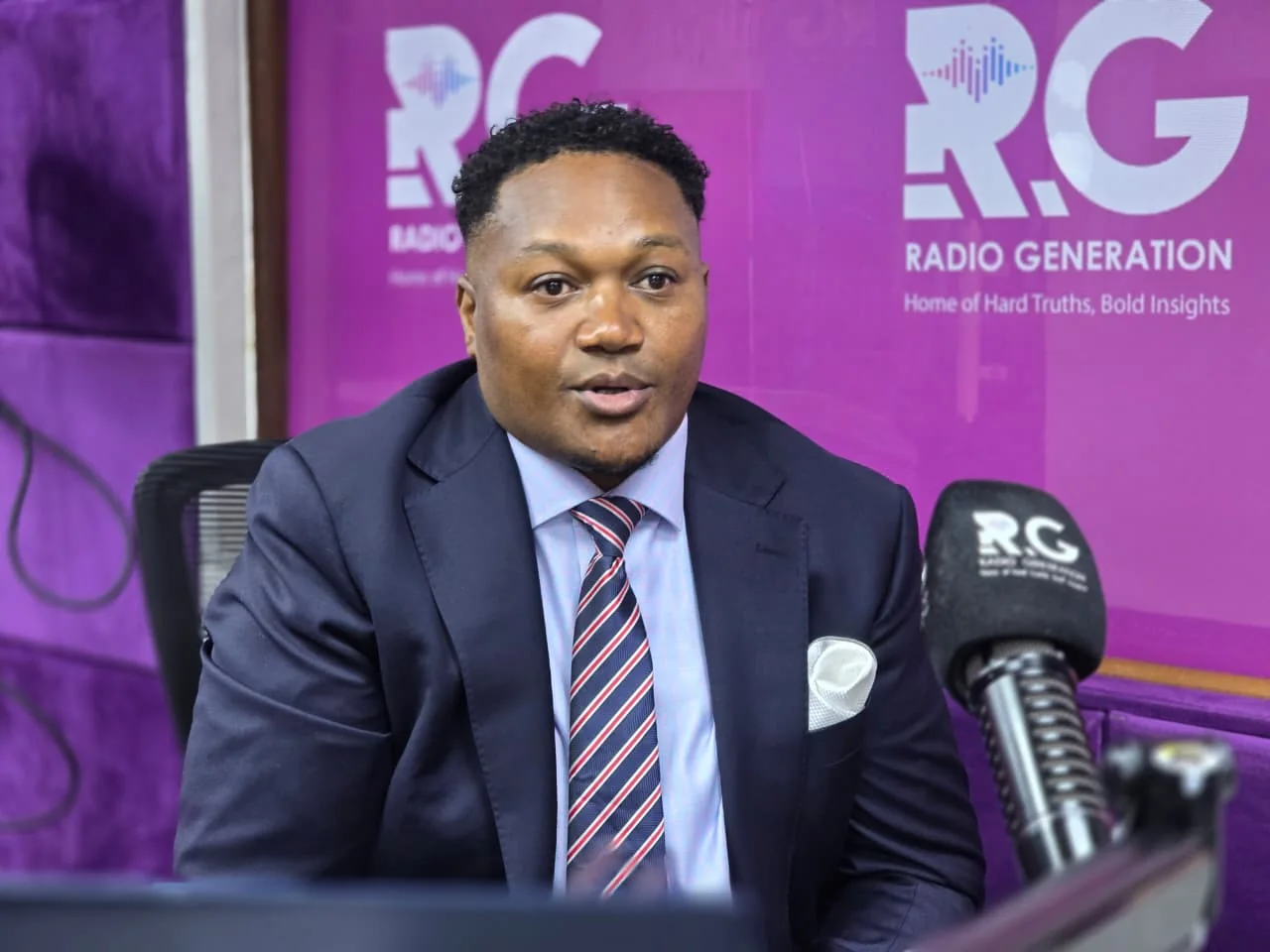
Economist and governance advocate Bonnie Mwangi has questioned the valuation of Kenya's proposed investment in the Sh2.2 trillion Dangote East Africa Petroleum Refinery, citing concerns over the terms of the deal and use of public resources. Mwangi, in an interview on Radio Generation, expressed concerns over the speed of the investment process and the lack of sufficient public information on the project's economic projections. He emphasized the need for transparency and public scrutiny of the deal.
The Dangote East Africa Petroleum Refinery, a Sh2.2 trillion project, was launched on September 30, with President William Ruto and Dangote Group President Aliko Dangote breaking ground for the refinery at Mokowe in Lamu County. The refinery is expected to process 700,000 barrels of crude oil per day, making it the largest refinery in East and Central Africa. The project aims to supply petroleum products to Kenya and other regional markets.
Mwangi questioned the figures attached to Kenya's proposed 10% stake in the refinery, valued at Sh220 billion. He asked where the money for Kenya's contribution would come from, emphasizing that it would be public resources. Mwangi called for the terms of the transaction and the basis of the valuation to be made clearer, particularly since public resources will be involved in Kenya's participation.
The economist also raised concerns about the amount of crude oil required to keep a refinery of that size operating and whether Kenya alone could provide enough feedstock. Kenya's crude production is below the planned capacity of the refinery, meaning the facility would need crude from other African producers and international sources. Mwangi questioned whether the refinery would automatically result in lower fuel prices for Kenyan consumers.
Mwangi expressed concerns about the pace at which the investment has been developed, with the project being completed in four months. He questioned whether enough economic studies and information have been made available to the public. Mwangi emphasized the need for Kenyans to be given access to key details of the investment, including its valuation, contractual commitments, and expected economic benefits.
The project is expected to create about 60,000 jobs and strengthen energy security in the region. The refinery is being developed along the Lamu Port-South Sudan-Ethiopia Transport (LAPSSET) corridor, with the location expected to benefit from access to Lamu Port and other planned industrial facilities. The wider development is expected to include petrochemical facilities and a 1,000-megawatt power plant.
Mwangi urged Kenyans to examine the project based on its economic details, rather than supporting or opposing it based on their views about the government. He emphasized the need for transparency and public scrutiny of the deal to ensure that Kenya gets value from its planned 10% stake in the refinery.
Key points
- Economist Bonnie Mwangi questions the valuation of Kenya's proposed Sh2.2 trillion stake in the Dangote East Africa Petroleum Refinery.
- Mwangi raises concerns over the use of public resources and the need for transparency in the deal.
- The refinery is expected to create about 60,000 jobs and strengthen energy security in the region.