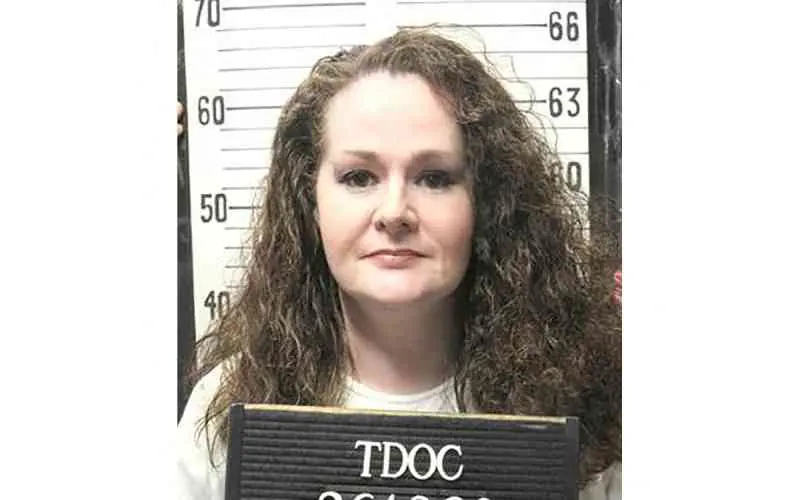
Christa Pike, a 50-year-old woman from Tennessee, convicted of murder, survived two lethal injection doses on Wednesday. Her lawyers reported that she was hospitalized on Thursday. This incident marks the state's second failed execution in months, prompting Tennessee to halt capital punishment for the remainder of the year. Pike was scheduled to be executed at the Riverbend Maximum Security Institution.
The execution attempt was halted after Pike loudly snored during the procedure, indicating she was still alive. Witnesses, including journalists, were present for the administration of the injections. According to Kim Chandler, a media witness with Associated Press, Pike appeared awake as the execution began. The blinds of the execution chamber closed, and Pike's snoring was audible until the witnesses were asked to leave.
The Tennessee Department of Correction stated that it followed the state's lawful execution protocol. However, Pike's attorneys disputed this, saying they have not been informed of her condition. They released a statement saying, "Tonight the State of Tennessee once again failed to carry out a lawful execution." Pike was taken to an off-site medical facility, and her condition remains unknown.
This failed execution has sparked debate over capital punishment, particularly for young criminals. Pike was 18 when she committed the crime, and her lawyers argued that she should be granted clemency due to her young age and mental health issues at the time. The killing gained national attention due to the circumstances surrounding the murder of Colleen Slemmer, 19.
The US Supreme Court had cleared the way for Pike's execution, but liberal justices Sonia Sotomayor, Elena Kagan, and Ketanji Brown Jackson dissented. They argued that the Court's decision prevented a lower court from considering Pike's claim and allowed the state to execute her before litigation over her conviction had run its course.
Pike's case has drawn attention from independent UN rights experts, who urged the US government and Tennessee authorities to halt the execution and commute her death sentence. They cited Pike's history as a victim of sexual assault, post-traumatic stress disorder, and a blood condition, which her lawyers argued would cause "needless suffering" during a lethal injection.
Tennessee Governor Bill Lee announced that the remaining scheduled execution will not be carried out this year. He called for a comprehensive, third-party review after Pike's failed execution. The incident has raised questions about the state's capital punishment protocol and the treatment of prisoners on death row.
Key points
- The execution of Christa Pike was halted due to her survival of two lethal injection doses.
- Tennessee has halted capital punishment for the remainder of the year.
- The incident has sparked debate over capital punishment, particularly for young criminals.