Today, Egypt remembers not only the 1973 war victory but also the life of President Anwar El-Sadat, who was assassinated on October 6, 1981. El-Sadat's life was a testament to his strategic mind and charismatic leadership. Born on December 25, 1918, in the village of Mit Abu El-Kom, El-Sadat's early life was marked by hardship and resilience. His father, a relatively educated man, and his mother, who was of slave descent, instilled in him a strong sense of identity.
El-Sadat's early years were shaped by his rural upbringing and his grandmother, who had a profound impact on his life. He described her as a strong and wise woman. El-Sadat's educational journey was marked by turmoil, including being expelled from Foad I Secondary School, but he eventually found his calling in the military. The 1936 treaty opened the door for him to attend the Military College, and he graduated as a second lieutenant in February 1938.
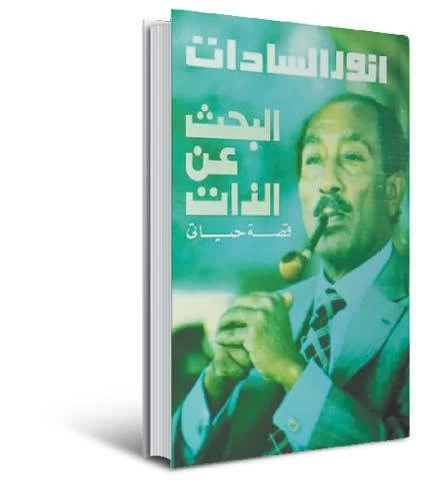
El-Sadat's military career was interrupted by his involvement in the nationalist movement against British occupation. He was imprisoned several times, and it was during these periods of isolation that he developed his strategic thinking. In his memoirs, "The Search for Identity," El-Sadat wrote about the transformative experience of being imprisoned, which helped him find his purpose and identity.
El-Sadat's marriage to Jehan Safwat Rauf in 1949 marked a turning point in his life, as he began to settle into a more stable and organized life. This period also saw him reconnecting with his roots and reaffirming his commitment to his country. El-Sadat's ability to balance his rural upbringing with his role as a national leader was a hallmark of his leadership style.
As El-Sadat rose to power, he became known for his calculated and strategic approach to politics. He used his rural background and military experience to connect with the Egyptian people and assert his authority. His use of symbols, such as the marshal's baton and the pipe, was a deliberate attempt to project a specific image and reassure his audience.
El-Sadat's presidency was marked by significant achievements, including the 1973 war victory, which showcased his strategic brilliance. However, his life was cut short by an assassination on October 6, 1981. Today, Egypt remembers El-Sadat as a complex leader who defied categorization. His legacy continues to inspire and intrigue, offering insights into the intricate relationships between leadership, identity, and national purpose.
El-Sadat's memoirs, particularly "The Search for Identity," offer a unique window into his thoughts and experiences. They reveal a leader who was deeply aware of his roots and the complexities of his own personality. As Egypt continues to navigate its modern history, El-Sadat's story serves as a reminder of the power of strategic thinking and charismatic leadership.
Key points
- El-Sadat's strategic mind was shaped by his early life experiences, including his rural upbringing and periods of imprisonment.
- His ability to balance his roots with his role as a national leader was a hallmark of his leadership style.
- El-Sadat's legacy continues to inspire and intrigue, offering insights into the intricate relationships between leadership, identity, and national purpose.