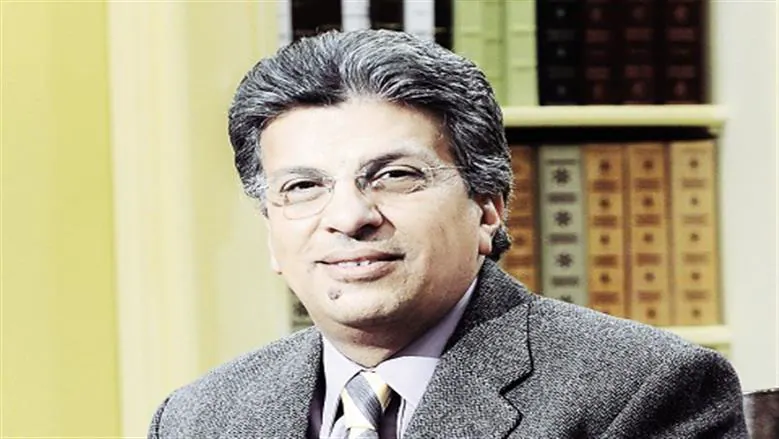
In a thought-provoking article, Egyptian writer Khalid Montaser highlights the significance of questioning in shaping human civilization. He cites a quote from physicist Richard Feynman, who preferred having unanswered questions to having unquestionable answers. This mindset, Montaser argues, is key to understanding the progress of human knowledge. By embracing doubt and inquiry, humans have made significant strides in various fields.
Montaser draws on the works of various philosophers and scientists to illustrate the importance of questioning. Francis Bacon noted that humans begin with certainty but end with doubt, while René Descartes made systematic doubt a starting point for critical thinking. Bertrand Russell, on the other hand, warned against the dangers of excessive confidence, which can hinder intellectual growth. By acknowledging the limits of our knowledge, we can foster a culture of inquiry and skepticism.
The scientific method, Montaser explains, relies heavily on questioning and testing hypotheses. Karl Popper's philosophical framework emphasizes that a scientific theory's strength lies not in its infallibility but in its willingness to be tested and refined. This approach has led to numerous breakthroughs in various fields, from physics to medicine. By encouraging critical thinking and debate, we can accelerate human progress.
However, Montaser also notes that humans often struggle with uncertainty and ambiguity. Mark Twain's observation that "the problem is not what we don't know, but what we know for sure that ain't so" resonates with many. Thomas Huxley's advice to approach truth with a childlike mindset, open to revising our assumptions, is a valuable reminder of the importance of intellectual humility.
The writer argues that civilization is not merely a collection of answers but a history of questions. By embracing doubt and inquiry, we can continue to advance human knowledge and understanding. In contrast, dogmatic thinking and absolute certainty can stifle progress and limit our potential. By fostering a culture of questioning and critical thinking, we can unlock new discoveries and innovations.
Montaser's article serves as a timely reminder of the importance of intellectual curiosity and skepticism. In a world where misinformation and disinformation often spread quickly, it is essential to cultivate a mindset that values evidence-based reasoning and open-minded inquiry. By doing so, we can build a more informed and enlightened society.
Ultimately, Montaser's reflections on the role of questioning in shaping human civilization offer valuable insights for readers. As we navigate the complexities of the modern world, it is essential to approach challenges with a critical and inquiring mindset, embracing doubt and uncertainty as opportunities for growth and discovery.
Key points
- Questioning is essential for advancing human knowledge and progress.
- A culture of inquiry and skepticism is necessary for fostering intellectual growth and critical thinking.
- Dogmatic thinking and absolute certainty can stifle progress and limit human potential.