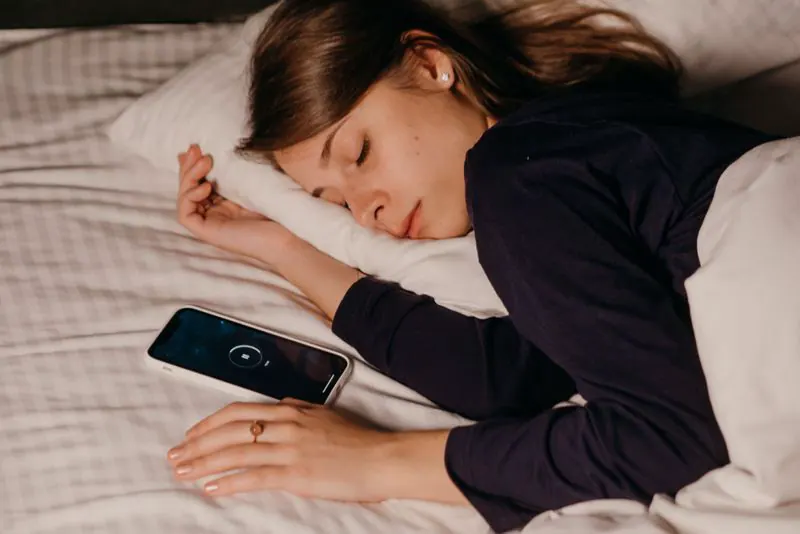
Sleep is a unique health behavior that cannot be directly observed, making it challenging to understand our sleep patterns. Sleep trackers have emerged as a tool to bridge this gap, allowing individuals to monitor their sleep and gain insights into their bedtime habits. By tracking sleep, individuals can identify patterns and disruptions that may be affecting the quality of their sleep. This information can be used to make informed decisions about sleep habits and improve overall sleep quality.
The benefits of sleep tracking are numerous. For instance, it can help individuals identify areas for improvement, such as irregular sleep schedules or poor sleep hygiene. Additionally, some insurance providers, like Discovery, offer benefits for tracking sleep. However, it is essential to consider the accuracy of these devices and their limitations. Sleep trackers typically use actigraphy, which involves tracking movement and stillness, to detect sleep patterns. While they can detect sleep, they may not be accurate in their sleep staging.
The accuracy of sleep trackers is a crucial aspect to consider. Studies have shown that commercially available devices are good at detecting sleep but inconsistent in their sleep staging accuracy. They perform as well as medical actigraphy but are not diagnostic and should not be used as a substitute for formal sleep studies. It is essential to understand these limitations to interpret the data provided by sleep trackers accurately.
One of the significant drawbacks of sleep tracking is the potential for orthosomnia, an obsession with obtaining perfect sleep. This phenomenon can lead to an unhealthy fixation on sleep, causing individuals to become anxious about minor disturbances in their sleep patterns. Orthosomnia can ultimately lead to insomnia, a condition characterized by difficulty falling or staying asleep. It is crucial to approach sleep tracking with a balanced perspective and avoid over-fixating on achieving perfect sleep.
Sleep trackers can be a useful tool for individuals who are curious about their sleep patterns and want to make informed decisions about their sleep habits. However, it is essential to use these devices responsibly and not become too fixated on the data. Individuals who are prone to self-pressuring and health anxiety may want to avoid sleep tracking, as it can exacerbate these issues.
Dr. David Backwell, a medical doctor working in sleep medicine, emphasizes the importance of understanding the limitations of sleep trackers. He notes that sleep remains outside of voluntary control, and no amount of smartwatches or willpower can change that. Therefore, it is essential to approach sleep tracking with a nuanced perspective and not rely solely on these devices to improve sleep quality.
In conclusion, sleep trackers can be a useful tool for improving sleep habits, but it is essential to use them responsibly and understand their limitations. By being aware of the potential benefits and drawbacks of sleep tracking, individuals can make informed decisions about whether or not to use these devices. Ultimately, a balanced approach to sleep tracking can help individuals improve their sleep quality and overall well-being.
Key points
- Sleep trackers can be a useful tool for improving sleep habits, but it is essential to use them responsibly and understand their limitations.
- Orthosomnia, an obsession with obtaining perfect sleep, is a potential drawback of sleep tracking.
- Sleep trackers are not diagnostic and should not be used as a substitute for formal sleep studies.