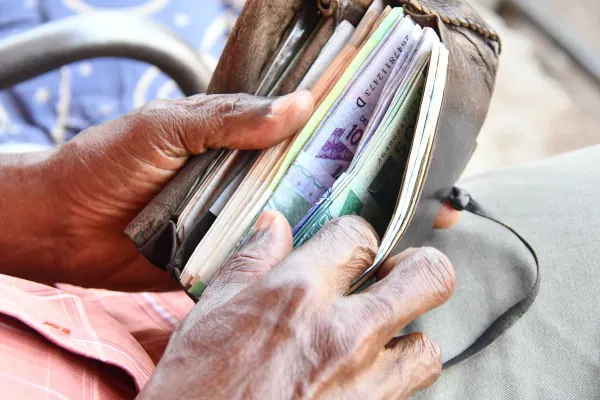
In Mali, a collective investment scheme known as OPCVM allows multiple savers to pool their resources. This approach enables individuals to invest in a diversified portfolio, potentially increasing their returns. The concept of OPCVM has been present in the country, but its adoption and implementation have been limited. As Mali continues to develop its financial sector, the use of collective funds is expected to grow.
The Malian government has been working to promote economic development and improve the lives of its citizens. Recently, the country celebrated its 66th anniversary of independence, with President Assimi Goïta paying tribute to the nation's founding fathers. The government has also been focused on decentralization, with approximately 423 billion FCFA transferred to local authorities in 2025. This represents about 17% of the state's resources.
The Bank of Confederation for Investment and Development (BCID-AES) has been established to support the economic ambitions of Mali and other Sahel region countries. The bank aims to provide a financial instrument that can help drive economic growth and development in the region. As the bank begins its operations, it faces the challenge of producing concrete results and demonstrating its value to stakeholders.
The agricultural sector is a significant contributor to Mali's economy, and the country has been working to improve its food security. The Ministry of Education and the Ministry of Agriculture recently launched the 2026-2027 school year with a focus on food safety. A model lesson was held to emphasize the importance of food quality, highlighting the government's commitment to promoting healthy eating habits.
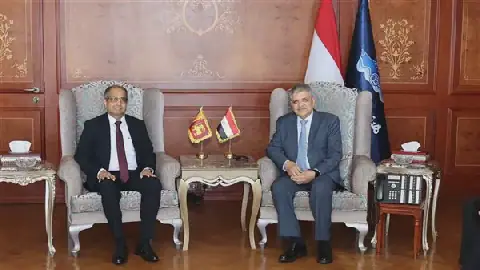
Mali has also been strengthening its international relationships, particularly with the United States. The US ambassador to Mali, Rachna Korhonen, recently completed her mission, and Foreign Minister Abdoulaye Diop praised her efforts to maintain dialogue between the two countries. The relationship between Mali and the US has faced challenges in recent years, but both countries are working to improve cooperation.
The country's livestock sector is also an essential part of the economy, and the Interprofessional Livestock and Meat Sector (IFBV-Mali) has been working to promote the industry. Mamoudou Abdoulaye Diallo has been re-elected as president of IFBV-Mali for a new five-year term. The organization aims to support the development of the livestock sector and improve the livelihoods of those involved in the industry.
As Mali continues to develop its financial sector and promote economic growth, the use of collective investment schemes like OPCVM is expected to increase. The government and other stakeholders are working to create an enabling environment for investment and economic development. The country's progress in these areas will be crucial in improving the lives of its citizens and achieving sustainable economic growth.
Key points
- Mali's collective investment scheme, OPCVM, allows multiple savers to pool their resources for diversified investments.