The Independent National Electoral Commission (INEC) of Nigeria has established a dedicated Artificial Intelligence Division and integrated automated AI auditing tools into its election results verification process. This move is part of INEC's preparations for the 2027 general elections. The AI division was set up within INEC's Information and Communications Technology Department to enhance the commission's ability to detect anomalies and counter disinformation.
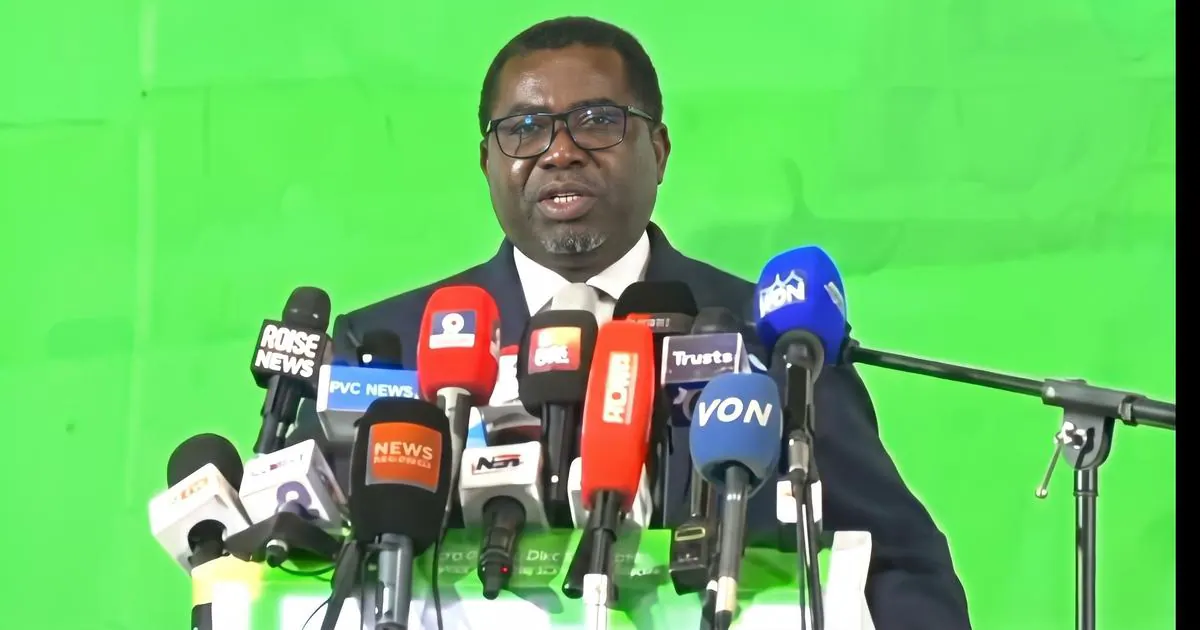
INEC Chairman, Prof. Joash Amupitan, disclosed this development during a World Press Conference and National Stakeholders Meeting in Abuja on October 6, 2026. According to Amupitan, the AI auditing tools will operate under a five-pillar AI governance framework, with mandatory human oversight. This framework aims to ensure that AI use in the electoral process is transparent, accountable, and fair.
The AI tools will assist election officials in checking result records and identifying possible discrepancies before final verification. INEC has previously disclosed that it commenced deploying AI tools in September to help identify discrepancies in election result records through an intelligent Results Management process. The use of AI is expected to strengthen INEC's ability to manage the electoral process and improve its credibility.
INEC is also concerned about the growing use of artificial intelligence to create misleading election-related content. Amupitan warned that generative AI, voice cloning, and deepfake technology could make it easier for individuals to fabricate videos of election officials, cloned audio recordings, and doctored result sheets ahead of the 2027 elections. He urged media organisations to strengthen their fact-checking and digital verification systems.
Amupitan advised against the publication and amplification of privately collated election figures on social media, warning that circulating unverified figures could create conflicting narratives around official results. He emphasised that the statutory authority to declare election results rests with INEC. The commission's move is aimed at improving the management and credibility of the electoral process.
The AI deployment is expected to serve two related purposes: helping INEC identify inconsistencies in election result records and strengthening its ability to detect and respond to technology-driven threats to the electoral process. INEC is positioning technology as an important part of its efforts to improve the electoral process. The commission's preparations for the 2027 general elections are intensifying.
INEC's use of AI in the electoral process is a significant development in Nigeria's election management. The commission's efforts to leverage technology to improve the credibility and transparency of the electoral process are ongoing. Key stakeholders are expected to support and collaborate with INEC to ensure the success of the 2027 general elections.
Key points
- INEC integrates AI auditing tools into election result verification process
- AI to detect anomalies and tackle election disinformation
- INEC establishes dedicated Artificial Intelligence Division