The role of the press in Nigeria's democratic story is crucial, with editors facing the challenge of determining what Nigerians understand to be true. The Nigerian public needs journalism that distinguishes between fact and allegation, evidence and assertion, analysis and propaganda. This responsibility cannot be exercised casually, and the media must provide citizens with enough information to make informed judgments.
The Tinubu reforms have sparked debate, with the administration arguing that difficult reforms are necessary for macroeconomic stability and growth. Critics, however, have focused on the immediate consequences of these policies for households and businesses. A serious newspaper should give room for both arguments, examining the government's position and the experiences of citizens.
The journalist's task is not to decide which narrative Nigerians must believe, but to provide the evidence that allows Nigerians to understand competing narratives. If government says businesses are becoming more productive, reporters should investigate. If businesses say operating conditions remain difficult, reporters should investigate. Official figures and citizens' experiences should be reported.
There is an uncomfortable truth at the heart of every democracy: governments rarely enjoy being scrutinised. Journalism was never created to make power comfortable, but to hold it accountable. The media must resist intimidation and seduction, navigating pressures from government and opposition politics.
A media house that publishes unverified claims or suppresses legitimate criticism creates a professional credibility gap. The Nigerian media must therefore maintain its independence and credibility, providing a public service that allows citizens to make informed judgments.
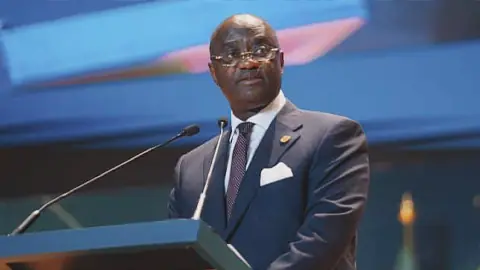
The most profound part of Shettima's address was his description of journalists as custodians of Nigeria's institutional memory. This responsibility is easily underestimated, as governments come and go, but the records produced by journalists remain. Tomorrow's researchers will look at today's newspapers to understand what Nigeria was thinking and how institutions responded.
Nigeria's democracy is still a work in progress, and its media is confronting economic, technological and political pressures. The country needs a courageous press, a questioning press, an independent press, and above all, a truthful press. The media must continue to ask uncomfortable questions, and government must continue to tolerate legitimate scrutiny.
Key points
- The Nigerian media must provide credible information to hold power accountable and support democracy.
- The media must resist intimidation and seduction to maintain its independence and credibility.
- Journalists are custodians of Nigeria's institutional memory, and their records will be used by future researchers.