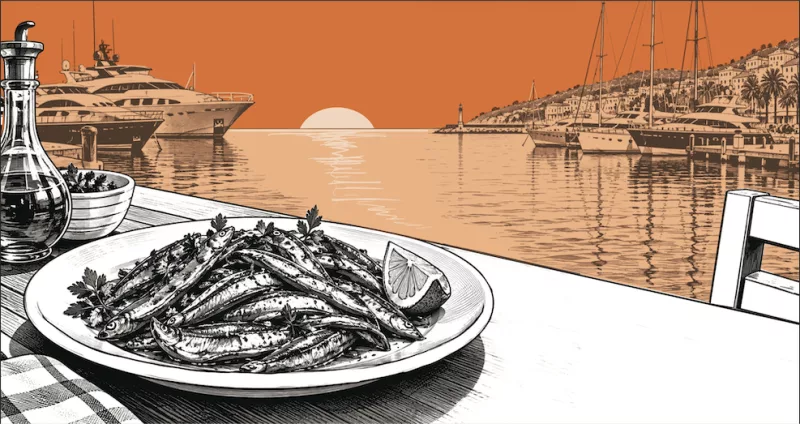
A plate of fried anchovies at Flisvos Marina in Athens sparked a reflection on the cultural significance of omena fish. The writer, Nicholas Okumu, noted that the small silver fish, floured and fried whole, tasted similar to omena, a fish commonly eaten in Kenya. Okumu's experience led him to think about the different values placed on the same fish in different contexts.
Okumu recalled buying omena in a supermarket in Kenya, where he noticed a white man purchasing the same fish for his dog. This encounter highlighted the differing perceptions of omena's value. For Okumu, omena was a meal born out of necessity, while for the white man, it was a treat for his pet. This experience changed Okumu's perspective on the fish, and he began to appreciate its nutritional value.
According to the Lake Victoria Fisheries Organisation, omena accounts for about 60% of the fish landed on Lake Victoria by weight, but only about 16% of the catch by value. The fish is rich in calcium, iron, and omega-3 fat, making it a nutritious food source. Despite its nutritional benefits, omena is often looked down upon in Kenya, while in Athens, it is served as a delicacy.
Okumu's wife, who is an expert in cooking omena, converted him to appreciating the fish's culinary value. Her recipe, which is a family secret, changed Okumu's grandfather's mind as well. He was so impressed that he called Okumu's wife to get the recipe, highlighting the impact of food on people's perceptions and behaviors.
The writer noted that the value of food is determined by what people believe about it, not its nutritional content. This is reflected in the way omena is consumed in Kenya, where it is often used as animal feed, rather than being eaten by people. A regional study found that less than 30% of the lake's omena is eaten by people, while the rest goes to feed mills.
As an orthopaedic surgeon, Okumu operates on patients with bone conditions caused by a lack of calcium. He notes that omena, which is rich in calcium, could be a cheap and effective solution to this problem. However, the fish's reputation as a poor man's food prevents it from being widely accepted as a nutritious food source.
Okumu encourages readers to try cooking omena as if it were a delicacy, serving it to guests and making it a part of their meals. By doing so, he hopes to change people's perceptions of the fish and promote its consumption as a nutritious and valuable food source. The goal is to make omena a staple in Kenyan cuisine, rather than a marginal food option.
Key points
- Omena fish is rich in calcium, iron, and omega-3 fat, making it a nutritious food source.
- The value of food is determined by what people believe about it, not its nutritional content.
- Less than 30% of Lake Victoria's omena is eaten by people, while the rest goes to feed mills.