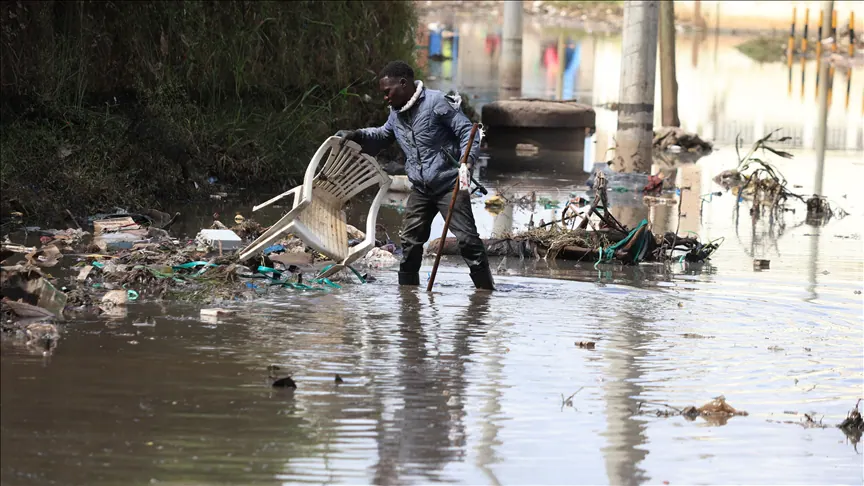
The Kenyan Ministry of Health has issued an advisory urging households, food vendors, and businesses to take precautions to prevent food and water-borne illnesses ahead of the expected El Niño rainfall. Principal Secretary for Public Health and Professional Standards Mary Muthoni warned that heavy rains, flooding, and high humidity could increase the risk of cholera, typhoid, and aflatoxin poisoning. Past El Niño seasons have shown that these weather conditions lead to a sharp rise in food-borne illnesses.
According to PS Muthoni, floodwater could contaminate shallow wells, boreholes, and piped water, particularly in low-lying areas. She advised households, food vendors, and estates to prepare before the rains begin, emphasizing that prevention is better than cure. The Ministry of Health is taking proactive measures to mitigate the risks associated with El Niño.
High humidity could also accelerate mould growth on maize, peanuts, and animal feeds, increasing the risk of aflatoxin contamination. PS Muthoni warned that this could have severe health implications for consumers. The Ministry is urging stakeholders to take steps to prevent contamination and ensure food safety.
Power outages expected during the rains could further disrupt cold-chain storage and cause spoilage of milk, meat, and leftovers stored in refrigerators and freezers. The Ministry is advising households and businesses to take precautions to prevent food spoilage and ensure continued access to safe food.
The Ministry has provided guidelines for households and food businesses to follow. Households are advised to stock water guards and chlorine tablets, clean and cover water storage tanks and jerry cans, and keep a separate covered container for drinking water. Residents are also urged to ensure maize flour, grains, groundnuts, and beans remain completely dry and store them in airtight containers.
Food businesses and mama mbogas are advised to keep food off the ground and covered, improve drainage around their stalls, and have food handlers' medical certificates ready as county inspections increase. The Ministry is working with stakeholders to ensure compliance with food safety regulations.
The Ministry is also working with Community Health Promoters and Nyumba Kumi representatives to organise drainage clean-ups, unclog trenches, and sensitise communities on boiling water before the rains begin. Early preparation will help protect communities from food and water-related health risks during the rainy season.
Key points
- The Ministry of Health has issued an advisory urging households, food vendors, and businesses to take precautions to prevent food and water-borne illnesses ahead of the expected El Niño rainfall.
- Past El Niño seasons have shown that heavy rains, flooding, and high humidity lead to a sharp rise in food-borne illnesses such as cholera, typhoid, and aflatoxin poisoning.
- The Ministry is urging stakeholders to take steps to prevent contamination and ensure food safety, including storing food and water in safe and secure conditions.