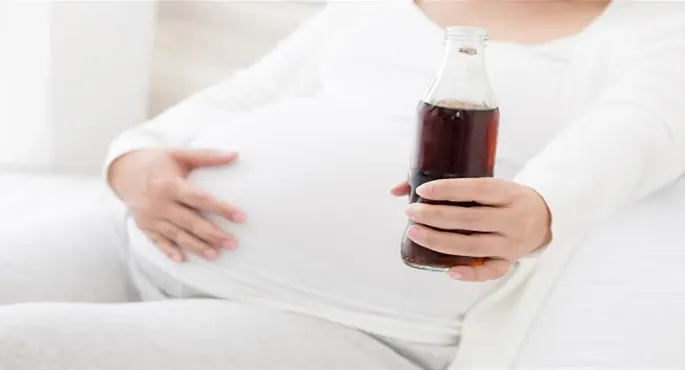
Fizzy drinks are a common part of daily life, often found on dining tables and at social gatherings. However, for pregnant women, consuming these beverages in excess may lead to health complications. While moderate consumption of some fizzy drinks is unlikely to cause problems, overindulgence can be detrimental due to their high sugar content and potential caffeine levels. As a pregnant woman's body undergoes changes to support fetal growth, it is crucial to prioritize nutritious food and drinks.
One of the primary concerns with fizzy drinks is their high sugar content. Many regular fizzy drinks contain substantial amounts of added sugar, which can contribute to an excessive daily intake of sugar and calories. Since these beverages provide little nutritional value, relying on them regularly can displace more beneficial drinks like water, milk, or nutritional beverages. Furthermore, excessive sugar consumption during pregnancy can make it challenging to maintain a balanced diet.
Consuming high-sugar fizzy drinks can lead to excessive weight gain, which is a concern during pregnancy. While some weight gain is natural and necessary, excessive weight gain can be associated with health complications for both the mother and the pregnancy. Reducing sugary drinks can help pregnant women better manage their overall calorie intake. Additionally, excessive weight gain during pregnancy may lead to gestational diabetes, a condition that requires medical attention.
Some fizzy drinks contain caffeine, which pregnant women need to monitor carefully. The American College of Obstetricians and Gynecologists recommends that pregnant women limit their daily caffeine intake to 200 milligrams. When consuming coffee, tea, or caffeinated fizzy drinks, it is essential to calculate the total caffeine intake to avoid exceeding the recommended limit.
Caffeine in fizzy drinks can also disrupt sleep patterns, particularly if consumed in large amounts or close to bedtime. Adequate sleep is vital for pregnant women, and reducing caffeine intake, especially in the evening, can be beneficial for those who experience sleep disturbances. Moreover, fizzy drinks can exacerbate heartburn and bloating, common issues during pregnancy, due to their carbonation and acidity.
Fizzy drinks can also impact oral health, which is crucial during pregnancy due to hormonal changes and potential issues with gums and teeth. The high sugar content in fizzy drinks can contribute to tooth decay, while their acidity can erode tooth enamel. Pregnant women can minimize risks by practicing good oral hygiene and limiting their consumption of fizzy drinks.
For pregnant women who are accustomed to drinking fizzy beverages regularly, gradually reducing their intake may be more manageable than quitting abruptly. Simple steps can help, such as decreasing the number of servings, replacing some with water, choosing smaller sizes, and avoiding storing large quantities at home. Reading nutritional labels to monitor sugar and caffeine content can also help pregnant women make informed choices.
Key points
- Excessive consumption of fizzy drinks during pregnancy may lead to health complications, including excessive sugar intake and caffeine consumption.
- Pregnant women can minimize risks by prioritizing nutritious food and drinks, monitoring caffeine intake, and practicing good oral hygiene.
- Gradually reducing fizzy drink consumption and making informed choices can help pregnant women maintain a healthy diet during pregnancy.