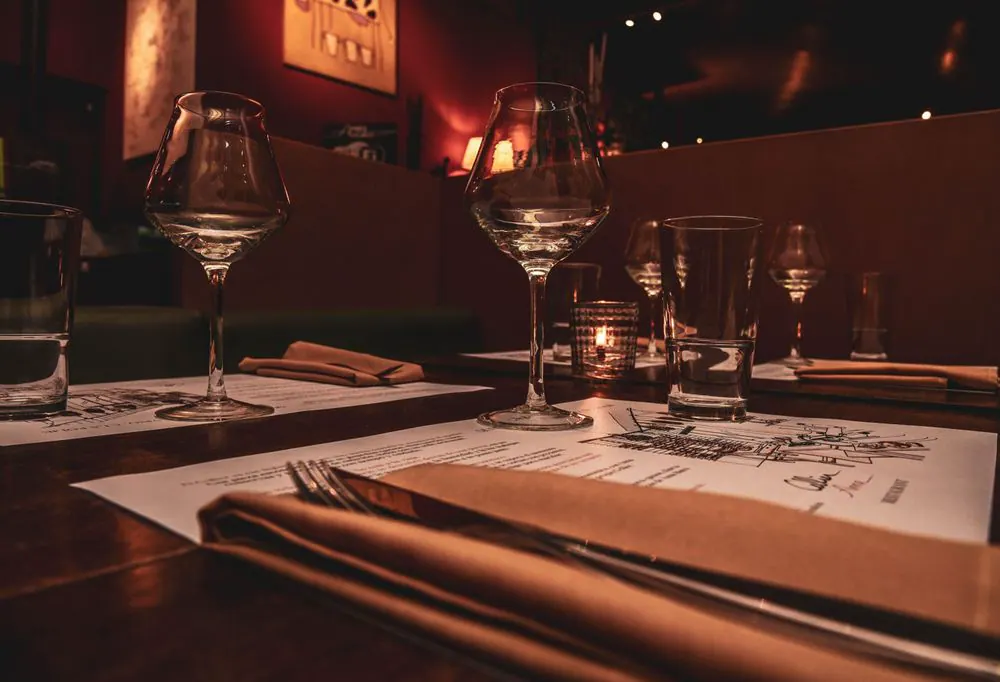
The concept of luxury dining in South Africa is undergoing a significant transformation. Fine dining is no longer just about the food itself, but about creating meaningful experiences, personalised hospitality, and a genuine sense of connection. According to the National Restaurant Association's 2025 State of the Restaurant Industry Report, 64% of full-service restaurant customers said the dining experience was more important than the price of the meal. This shift in priorities is driving change in the way restaurants approach luxury dining.
The trend towards experiential dining is gaining momentum, with OpenTable's 2025 Dining Trends research reporting a 27% increase in experiential dining bookings. Restaurants around the world are taking note, with Copenhagen's Noma and London's The Connaught leading the way in storytelling and personalised hospitality. In South Africa, restaurants such as Farro, Post & Pepper, and De Tafel at The Palms are also reflecting this changing approach to fine dining. These restaurants are combining refined cuisine with warm hospitality, exceptional food, and a sense of occasion.
Chef Kerry Kilpin, Executive Chef at Steenberg Farm, believes that the change reflects a broader shift in how people understand luxury. "Guests are still looking for exceptional food and service, but they want the experience to feel effortless," she says. "Luxury today is less about formality and more about feeling genuinely welcomed, comfortable and cared for." This shift in priorities is driving a more personalised approach to hospitality, with a focus on recognition, genuine service, and meaningful interactions.
Storytelling is another key element of the new luxury dining experience. Diners are showing greater interest in the stories behind the food, the people who produce it, and the history of the places where they eat. At Tryn, a restaurant at Steenberg Farm, storytelling forms part of the dining experience, with a focus on the heritage of South Africa's oldest registered farm and the people behind the food. This includes a partnership with ABALOBI, which sources fully traceable seafood from local small-scale fishers.
The desire for connection extends beyond the plate, with diners increasingly drawn to restaurants with a strong sense of place. The setting, history, and local character of a restaurant are becoming increasingly important, as diners seek to create occasions that bring people together. At Steenberg, vineyard views, mountain backdrops, historic heritage, and multiple dining experiences all form part of the broader guest journey. This emphasis on atmosphere and setting is driving a more holistic approach to luxury dining.
As luxury dining continues to evolve, Kilpin believes that diners will continue to value excellent food, wine, and service, while placing equal importance on experiences that feel genuine, personal, and welcoming. "The future of premium dining isn't about making things more complicated," she says. "It's about creating meaningful moments that people genuinely enjoy and remember." This approach to luxury dining is likely to shape the future of the industry, with a focus on creating memorable experiences that stay with diners long after the final course.
The evolution of luxury dining in South Africa is a reflection of changing priorities and values. As diners increasingly seek out meaningful experiences, personalised hospitality, and genuine connections, restaurants are responding by creating more holistic and immersive experiences. With a focus on storytelling, atmosphere, and setting, luxury dining in South Africa is entering a new era, one that prioritises connection, community, and memorable moments.
Key points
- The luxury dining experience is evolving, with a focus on personalised hospitality, meaningful experiences, and genuine connections.
- Storytelling and atmosphere are becoming increasingly important elements of the luxury dining experience.
- The future of premium dining is about creating meaningful moments that people genuinely enjoy and remember.