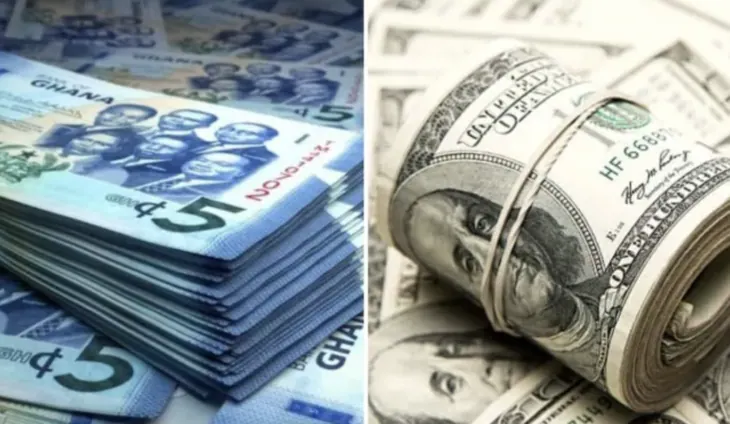
The Ghanaian cedi has continued to experience pressure against major foreign currencies, particularly the US dollar, as the country approaches the Christmas season. According to Databank Research, the cedi's year-to-date depreciation against the US dollar stands at 10.04%. This depreciation is attributed to sustained forex demand from the energy and manufacturing sectors, which has put pressure on the cedi.
In the interbank market, the cedi weakened by 1.39% to GH¢11.62 to a US dollar but gained 0.70% and 0.47% against the pound and euro to GH¢15.40 and GH¢13.24, respectively. The mixed performance in the retail forex market saw the cedi appreciate 0.21% against the US dollar and 0.91% against the euro to GH¢11.93 and GH¢13.73, respectively. However, it weakened 0.31% against the pound to GH¢15.88.
Despite the Bank of Ghana providing about US$445 million in forex support so far in September 2026, compared with a US$500 million target, the cedi has struggled to maintain its value. The Fed's September rate hike and subsequent dollar strength have added further pressure on the cedi. Conversely, weakness in the pound and the euro has provided some cross-rate support.
Databank Research has attributed the cedi's weakness against the US dollar to sustained forex demand from the energy and manufacturing sectors, which has come against relatively tight interbank supply. The research firm expects the cedi to maintain a mild depreciation bias as seasonal FX demand builds into the festive period.
The cedi began the week going for about GH¢11.90 to a dollar at the forex bureaus. This development is likely to affect businesses and individuals who rely on foreign currencies for imports and other transactions. The Bank of Ghana's efforts to stabilize the currency have been ongoing, but the cedi's performance remains a concern.
The current pressure on the cedi is a reminder of the challenges facing Ghana's economy, particularly with regards to managing foreign exchange. The government's strategy of accumulating foreign reserves and gold has been noted to carry high fiscal costs. The International Monetary Fund and other stakeholders have been working with the government to implement policies aimed at stabilizing the currency.
As the festive season approaches, the cedi's performance is likely to be closely monitored by businesses, policymakers, and individuals. The Bank of Ghana's efforts to intensify public education on authenticating new Heritage Series banknotes and other measures aimed at stabilizing the currency will be crucial in determining the cedi's future performance.
Key points
- The cedi's year-to-date depreciation against the US dollar stands at 10.04%.
- The Bank of Ghana has provided about US$445 million in forex support so far in September 2026.
- The cedi began the week going for about GH¢11.90 to a dollar at the forex bureaus.