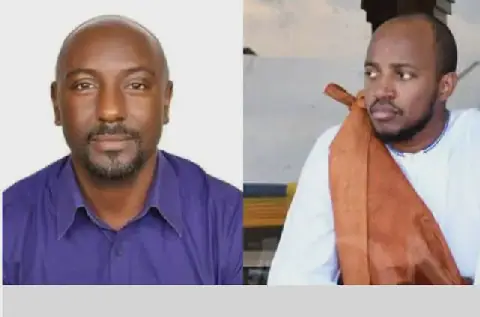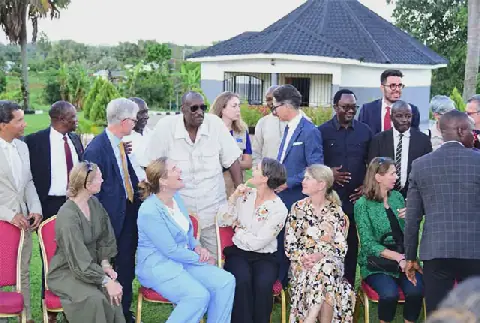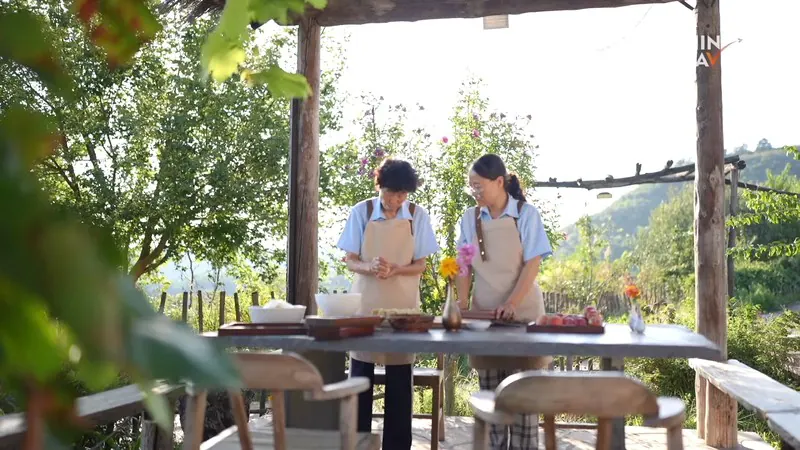
In the town of Xiangning, a family is keeping their cultural heritage alive through the traditional craft of making hollow mooncakes. Zhang Ruiqin, a master of the craft, and her daughter Wang Hongting, are passing down the skills to younger generations. Their story was shared with an American tourist, Jack Klumpp, and a Chinese local, Jonathan Yao, who witnessed the process firsthand. The family's dedication to preserving their cultural traditions is a testament to the importance of heritage.
Wang Hongting, who returned to Xiangning after working and studying in Shanghai, is learning the craft from her mother. She says that she came back home to make mooncakes with her mom, highlighting the importance of family and tradition in preserving cultural heritage. Zhang Ruiqin emphasizes that traditions do not survive on good intentions alone, but require a willingness to learn and get hands-on. This approach has allowed the family to keep their cultural practices alive.
The process of making hollow mooncakes is a labor-intensive and skillful craft. Zhang Ruiqin demonstrated the technique to Jack Klumpp, starting with flattening the dough and then shaping it into a hollow form. The dough is then placed into a heavy wooden mould carved with the image of Xiangning's old city gate tower, which gives the mooncakes their unique architecture. This attention to detail and commitment to tradition is what sets their mooncakes apart.
The science behind making hollow mooncakes is complex, involving the expansion of gas inside the pastry shell. Zhang Ruiqin explains that when the mooncakes are placed in the oven, the sugar inside produces gas, causing the pastry to expand and become hollow. This process requires great skill and knowledge, which has been passed down through generations of the family. The end result is a delicate and intricately crafted pastry.
The hollow mooncakes hold significant emotional value, particularly during the Mid-Autumn Festival. Wang Hongting explains that families send these mooncakes to relatives studying or working far away, serving as a reminder of home and heritage. This sentiment was echoed by Jack Klumpp, who related the experience to Christmas cookies, saying that eating them abroad makes him feel homesick. The emotional connection to food and heritage is a universal one.
The story of Zhang Ruiqin and Wang Hongting highlights the importance of cultural preservation and the role that food plays in bringing people together. Wang Hongting's words, "No matter what we look like or where we come from, food can bring back memories of home and make us miss the places we grew up," resonate with people from all walks of life. Their dedication to preserving their cultural heritage serves as an inspiration to others.
As Heritage Day comes to a close in South Africa, the story of Xiangning's hollow mooncakes serves as a reminder that heritage is not just about grand gestures or government speeches, but about the everyday actions of people like Zhang Ruiqin and Wang Hongting. Their commitment to preserving their cultural traditions is a testament to the power of food and family in bringing people together and keeping heritage alive.
Key points
- The family's dedication to preserving their cultural traditions through the craft of making hollow mooncakes is a testament to the importance of heritage.
- The process of making hollow mooncakes requires great skill and knowledge, which has been passed down through generations of the family.
- The hollow mooncakes hold significant emotional value, particularly during the Mid-Autumn Festival, serving as a reminder of home and heritage.