The Maquis, a group of French resistance fighters, played a significant role in the country's struggle against German occupation during World War II. According to Fabrice Grenard, a historian and specialist in World War II and the Occupation, the Maquis emerged in the autumn of 1942 when the Germans sought to recruit French workers to participate in their war effort. The French government's law of September 4, 1942, allowed for this recruitment, and the Service du Travail Obligatoire (STO) was established in February 1943, requiring young Frenchmen to work in Germany.
Many young Frenchmen, however, refused to comply with the STO and instead fled to the mountains or forests to evade the Gestapo. These individuals, known as réfractaires, eventually encountered members of the French Resistance, who were also hiding in the same areas. The Resistance, led by figures such as Georges Guinguois, decided to take charge of the réfractaires, and by the spring and summer of 1943, these groups had transformed into combat units. The main centers of Maquis activity were located in the Vercors, the Northern Alps, the Massif Central, and the Limousin, primarily in the southern zone, where German occupation was less dense.
Initially, the Maquis were poorly equipped and lacked experience, but they were joined by former French soldiers who had defected from the Vichy regime. These soldiers, who had previously been bound by their oath to the French army, began to join the Maquis in early 1944, as they realized that the Allies were preparing to liberate France. The Maquis also received support from the British, who began parachuting arms and equipment to them, starting in the winter of 1943-44. This support enabled the Maquis to carry out more effective operations against the German occupation.
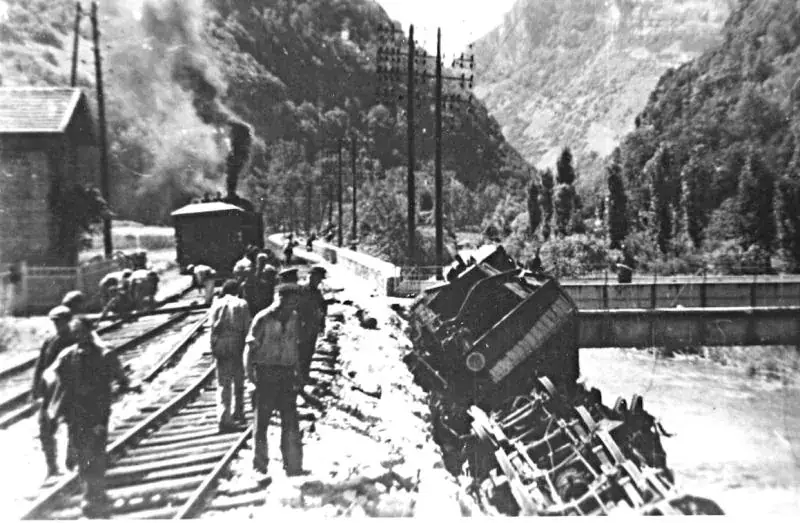
The Maquis carried out various operations, including requisitioning supplies from local merchants, eliminating collaborators, and imposing fines on others. They also engaged in sabotage and guerrilla warfare, particularly as the Allied invasion of France approached. Despite being limited by their lack of heavy equipment and manpower, the Maquis were able to disrupt German communications and supply lines, making it more difficult for them to respond to the Allied invasion.
In February 1944, the Maquis were integrated into the Forces Françaises de l'Intérieur (FFI) and placed under the command of General Koenig, who received his orders from London. This integration allowed for greater coordination between the Maquis and the Allied forces, and hundreds of British and American agents were parachuted into France to work with the Maquis and plan operations to support the invasion.
The German army initially allowed the Vichy regime to deal with the Maquis, but as the threat posed by the resistance grew, they began to take action. In early 1944, the Germans launched a series of operations against the Maquis, but these efforts were often hindered by the clandestine nature of the resistance and the difficulties of communication.
The Maquis played a crucial role in the liberation of France, and their efforts contributed significantly to the Allied victory. According to Fabrice Grenard, the Maquis allowed France to be part of the victors in 1945, and their legacy continues to be celebrated in France today. The story of the Maquis serves as a testament to the bravery and determination of those who fought against the German occupation, and their contributions to the war effort should not be forgotten.
Key points
- The Maquis emerged as a response to the STO and played a significant role in disrupting German operations in France.
- The Maquis received support from the British, who parachuted arms and equipment to them, enabling them to carry out more effective operations.
- The Maquis were integrated into the FFI and worked closely with the Allies to plan operations and support the invasion of France.