In long-term care facilities across the United States, a contentious issue persists: the use of antipsychotic medications to sedate agitated dementia patients. These medications, while effective in calming patients, come with significant risks, including increased risk of death in older adults with Alzheimer's disease. Despite a 14-year campaign by the federal government to reduce their use, approximately 1 in 4 Medicare beneficiaries with dementia are prescribed these medications. This has sparked concerns among families, healthcare professionals, and advocacy groups.
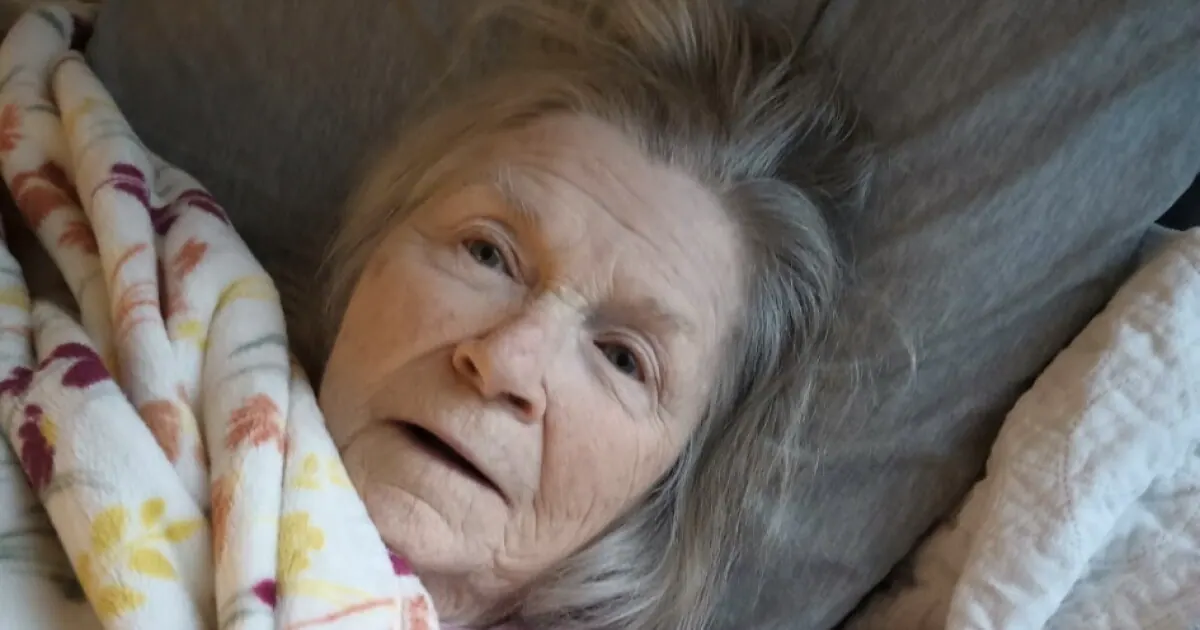
The case of Marjorie Tingley, an 85-year-old woman with dementia, highlights the complexities of this issue. Her adult sons received an urgent email from Vista Grande Villa, a Michigan senior living community, stating that their mother posed a major safety threat due to her aggressive behavior. The facility wanted permission to sedate her with antipsychotic medications. Tingley's sons were hesitant, fearing the risks associated with these medications. This disagreement led to a protracted dispute between the family and the facility.
The use of antipsychotic medications in dementia care is not limited to nursing homes. Assisted living facilities, which provide care to over 1 million people with Alzheimer's disease or other dementias, also rely on these medications. A study published in JAMDA found that, on average, assisted living residents with dementia were prescribed an antipsychotic for nearly 13% of the time they lived there. This has raised concerns about the overprescription of these medications in these settings.
The federal government has been aware of the issue of antipsychotic medication misuse in long-term care facilities for decades. A 1975 Senate report highlighted the problem, and in 2012, the Centers for Medicare & Medicaid Services launched the Partnership to Improve Dementia Care to address overprescribing. While this campaign has shown some success in reducing the use of antipsychotics, concerns persist. An inspector general report released in March identified "alarming instances of inappropriate use of antipsychotic drugs."
Experts, including geriatric psychiatrist Lauren Gerlach, emphasize that non-medication interventions can be effective in managing aggressive behaviors in dementia patients. These interventions include looking for underlying medical issues or identifying situations that typically upset the patient. However, Gerlach notes that for some patients, medications may be necessary. The challenge lies in balancing the need to manage agitation with the risks associated with antipsychotic medications.
The dispute between Tingley's family and Vista Grande Villa ultimately led to her eviction and transfer to another facility, where she died in January 2025 due to complications from Alzheimer's disease. Her sons have filed a lawsuit against Vista Grande and its director, alleging negligence, emotional distress, and wrongful eviction. The lawsuit claims that the facility used the emergency room trips as retaliation for the family's disagreements about Tingley's care.
The case of Marjorie Tingley underscores the need for a more nuanced approach to managing agitation in dementia patients. With over 5 million Medicare beneficiaries diagnosed with dementia, finding effective and safe solutions is crucial. Key points include: - The widespread use of antipsychotic medications in dementia care despite associated risks. - The need for non-medication interventions to manage aggressive behaviors in dementia patients. - The importance of balancing the need to manage agitation with the risks associated with antipsychotic medications.