As Uganda prepares for an El Niño-influenced rainy season, the government has developed a roadmap to shift from reactive disaster response to proactive, forecast-based action. The Uganda Roadmap on Anticipatory Action 2026–2031, led by the Office of the Prime Minister, aims to address the gap between preparedness measures and preventive action. The plan involves six strategic pillars, including early warning, anticipatory action, and financing mechanisms.
The roadmap proposes that forecasts should trigger action before a hazard becomes a disaster, with predetermined thresholds leading to specific interventions. Responsibilities and resources would be agreed upon in advance, allowing for the release of cash, movement of livestock, or clearing of drainage channels before a disaster strikes. This approach was successfully tested during the 2022/23 drought in Karamoja and subsequent El Niño-related flooding.
However, the roadmap's financing problem is becoming clearer. The Office of the Prime Minister requires 207.6 billion shillings to implement the anticipatory-action framework, but existing project-based financing covers only 110.3 billion shillings, leaving a gap of approximately 90.5 billion shillings. The existing financing is concentrated in specific regions, rather than providing nationwide coverage.
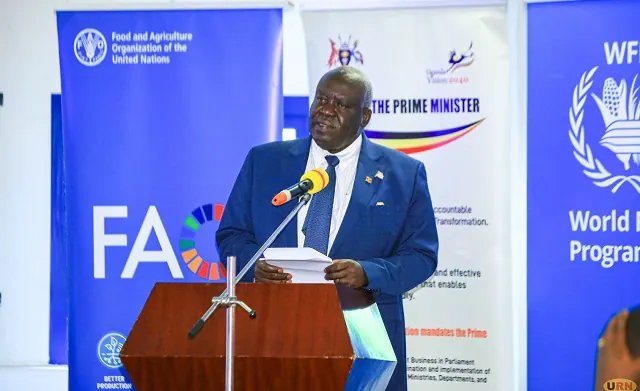
The Uganda Roadmap on Anticipatory Action was discussed during a meeting in Entebbe, attended by officials from the World Food Programme and the Food and Agriculture Organization, among others. The roadmap's publication coincides with Uganda's existing disaster financing difficulties, including a disaster contingency fund with weaknesses in financing arrangements for anticipatory action.
Forecasts for the September–December 2026 seasonal climate outlook indicate that most parts of Uganda are likely to receive near-normal to above-normal rainfall, with El Niño expected to intensify during the season. The Ministry of Water and Environment warns that the combination of El Niño and a likely positive Indian Ocean Dipole could further enhance rainfall over much of the country.
During a donor conference in Entebbe on September 25, the Office of the Prime Minister disclosed that implementation of the anticipatory-action framework requires significant funding. The challenge now is whether such interventions can move beyond individual projects and become part of a nationally financed system. Assistant Commissioner for Disaster Management Rose Nakabugo acknowledged that limited resources are affecting timely procurement and pre-positioning of relief supplies.
The incidents of flooding in Kampala on September 17 provided a practical test of Uganda's disaster preparedness system. While Kampala is highly vulnerable to flooding, the events raised questions about the effectiveness of the system. The roadmap seeks to answer these questions by establishing a system connecting warnings to pre-agreed actions, responsible institutions, and financing.
Key points
- The Ugandan government requires 207.6 billion shillings to implement the anticipatory-action framework.
- Existing project-based financing covers 110.3 billion shillings, leaving a gap of approximately 90.5 billion shillings.
- The roadmap aims to shift Uganda's disaster management from reactive response to proactive, forecast-based action.