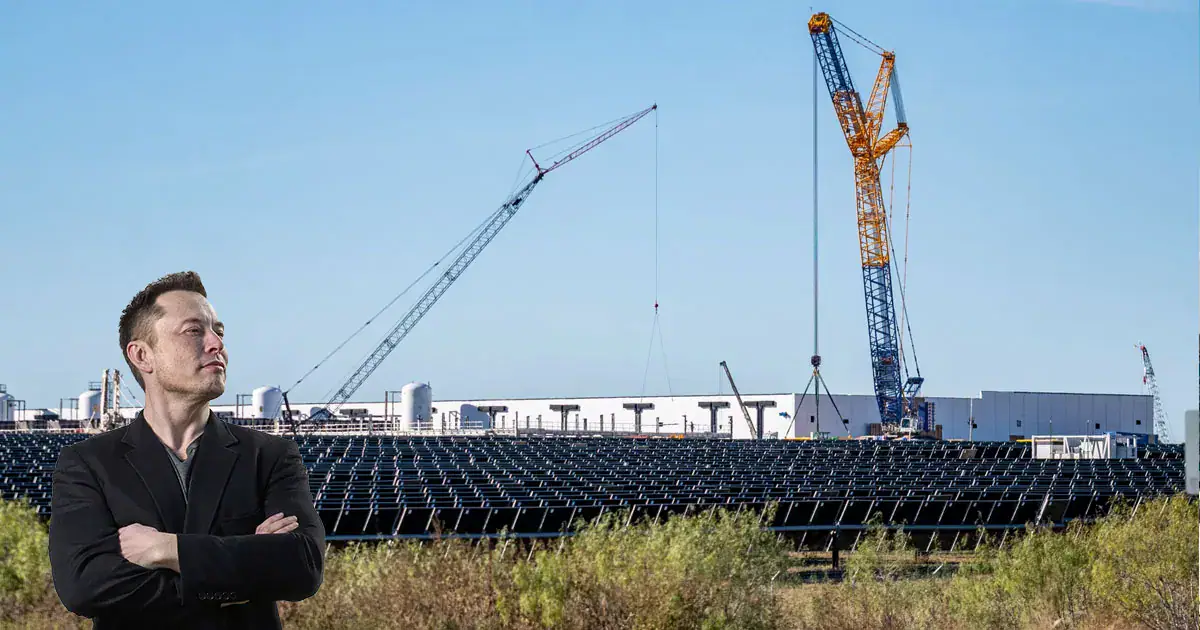
Billionaire Elon Musk's decision to leave California for Texas in 2020 has backfired. Despite massive spending to support Republican candidates, Texans elected a Democratic senator, governor, and majority in the state House of Representatives on November 3, 2026. Musk's projects, including massive data centers, have sparked opposition due to their impact on agriculture, energy, and water consumption.
The defeat of Republicans in Texas reveals a decline in Musk's influence and growing resistance to his technological projects. The billionaire's efforts to shape the state's politics have been met with anger from residents, who are now questioning the benefits of his projects. Data centers, in particular, have become a point of contention, with concerns about their environmental impact and strain on local resources.
Colby Smith, a 44-year-old Republican farmer, exemplifies the discontent. He is preparing to sell his family farm, which has been in operation for four generations, due to the proliferation of data centers and related infrastructure. Smith sarcastically told The Times, "Monte dans ta fusée et dégage !" ("Get in your rocket and leave!"), referencing Musk's SpaceX.
Opposition to Musk's projects extends beyond the agricultural community. John Boyd, a software engineer, acknowledges the importance of data but criticizes the development of data centers. A University of Houston poll found that 8 in 10 potential voters in Texas support limits on the number of data centers that can be built, highlighting widespread concerns about their impact.
Musk spent approximately $474 million supporting Republican candidates, including $224 million in the Texas Senate race. However, this did not prevent a decisive Democratic victory. James Talarico won a Senate seat, becoming the first Democrat to represent Texas in over 30 years. Gina Hinojosa was elected governor, and Democrats secured a majority in the state House of Representatives.
The Democratic campaign successfully tapped into voter discontent with the influence of billionaires and tech companies, portraying Musk as a symbol of the wealthy's undue influence on politics. Talarico's victory speech emphasized that "the power belongs to the people," not wealthy donors. He also acknowledged the challenges his campaign faced, including over $300 million in adverse spending.
Musk responded to the election results by joking on his platform X that "data centers in space suddenly seem very appealing!" The outcome marks a new phase for Musk, with potential repercussions for his influence and business ventures. The shift in sentiment in Texas may have far-reaching implications for the billionaire's projects and relationships with the US government.
Key points
- Texans reject Elon Musk's projects citing concerns about their impact on agriculture, energy, and water consumption.
- The defeat of Republicans in Texas reveals a decline in Musk's influence and growing resistance to his technological projects.
- Musk's efforts to shape Texas politics have been met with anger from residents questioning the benefits of his projects.