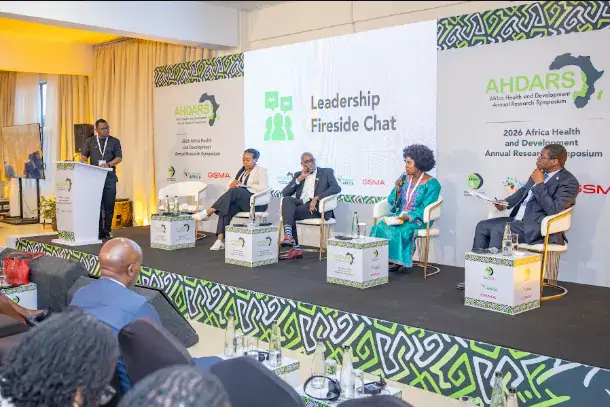
Science, Research and Innovation Principal Secretary Shaukat Abdulrazak has called for increased investment in African research and innovation, emphasizing that scientific discoveries must translate into practical solutions, businesses, and jobs. He made these remarks during the 2026 Africa Health and Development Annual Research Symposium, organized by the African Population and Health Research Center, Science for Africa Foundation, and GSMA. The symposium aimed to discuss how Africa can build data and knowledge systems that reflect and serve its interests.
Abdulrazak stressed that research should not be confined to laboratories, academic publications, and conference proceedings but should address community challenges and contribute to economic development. He urged African countries to move beyond consuming knowledge and technology developed elsewhere and build the capacity to generate research and develop solutions that respond to local needs. Key areas of focus include improving health outcomes, strengthening food and nutrition security, addressing climate change, and creating opportunities for young people.
The Principal Secretary emphasized the need for stronger partnerships between universities, research institutions, government agencies, communities, and the private sector to address complex challenges. He cited Kenya's Science, Research and Innovation Synergy Blueprint, which promotes collaboration in research financing, institutional capacity, infrastructure, and human capital development. The blueprint recognizes the importance of data and digital infrastructure in advancing research, innovation, and evidence-informed decision-making.
African Population and Health Research Center executive director Catherine Kyobutungi noted that Africa's data and knowledge systems have long been controlled outside the continent, limiting the ability of African institutions to use evidence to shape policies and priorities. She emphasized that data and knowledge systems are Africa's new oil and that the continent needs systems built and owned by Africans to serve African interests.
Kyobutungi also highlighted the importance of data in preparing for and responding to public health emergencies, such as Ebola outbreaks. She stressed that African institutions need to strengthen their capacity to collect and analyze original data, particularly with advances in artificial intelligence and data science. This would enable the continent to produce knowledge that reflects its circumstances and informs relevant policymaking.
Science for Africa Foundation chief executive officer Tom Kariuki stated that Africa has the talent and data needed to develop its own systems but requires greater ownership, infrastructure, and influence. He emphasized that African institutions must take a leading role in determining how data is collected, managed, and used, rather than relying on systems and analytical tools developed elsewhere.
Abdulrazak concluded that research financing should be treated as a strategic investment rather than a cost, and African countries need to organize their research around clear priorities and measurable outcomes. The impact of research should be assessed by its ability to improve people's quality of life, create jobs, strengthen economies, and inform better policies and public services.
Key points
- African countries must invest in research and innovation to address local challenges and drive economic growth.