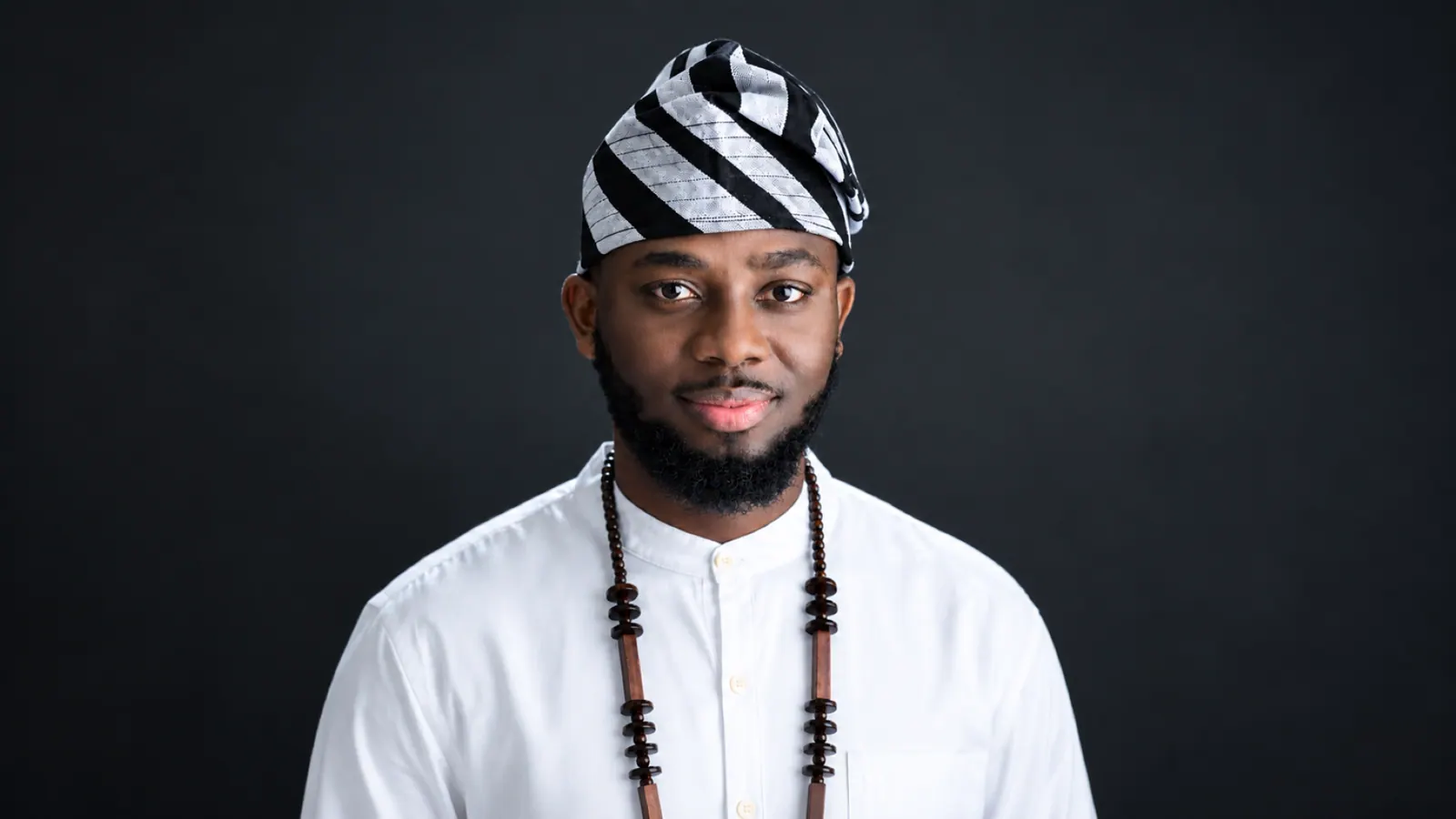
Temidayo Balogun, a US-based Nigerian musician, has urged upcoming artists to develop a unique identity in their music. In an interview, Balogun shared his journey from Nigeria to becoming a professional musician in Boston. He studied at Peter King College of Music and MUSON School of Music in Nigeria, which helped him develop the discipline to shape his musical ideas. He later attended Longy School of Music in Cambridge, where he continued to grow through study and collaboration.
Balogun's Nigerian identity plays a significant role in shaping the music he makes today. He believes that his Yoruba heritage gives him a particular doorway into his musical experiences. His Nigerian identity influences his relationship with rhythm, the movement of a phrase, and the stories he feels responsible for carrying. Balogun's music can travel widely and still carry the texture of where he comes from.
Balogun's project, Afrolution, is inspired by his interest in African identity, cultural memory, and the possibilities of contemporary music. He wants to create space for African histories and imagination to exist together, for reflection to sit beside movement, and for difficult questions to enter through sound. Afrolution is his contribution to the ongoing conversation about African heritage and its growth through the people who practise it, question it, and find new ways to express it.
Balogun combines contemporary jazz with African musical traditions in his music. He is drawn to the freedom of improvisation and the possibilities of harmony in jazz, while his grounding in Yoruba and other West African musical practices brings its own rhythmic ideas and ways of shaping a musical conversation. He wants the meeting of these two styles to feel alive, with enough space for the musicians to bring themselves into it.
Balogun believes that musicians should engage with issues such as democracy, African identity, and political history because they influence people's lives long before they enter a song. He doesn't believe that every musician must address politics in the same way, but the questions that trouble him will naturally find their way into his work. Music allows people to stay with a difficult feeling and encounter a composition through its rhythm, leaving with a question about freedom or responsibility.
Balogun's music deals with various themes, including democracy, African identity, and political history. His reference to Patrice Lumumba, a Congolese independence leader, represents the weight of sacrifice and the responsibility of remembrance. Balogun's composition, "To The One Who Gave For Us To Have," evokes remembrance of the departed and holds a space where people can mourn, honour, and listen.
Establishing himself in Boston's jazz community has taught Balogun the importance of listening and being open while staying grounded. He has worked with various musical settings, including The Makanda Project and the New England Jazz Collaborative, which has created opportunities for him to encounter other approaches and contribute his own. Balogun hopes that his music will help build more room for African creative music and the artists who carry it, and that it will create possibilities that others can share in.
Key points
- Temidayo Balogun advises upcoming artists to develop a unique identity in their music.
- Balogun's project Afrolution combines contemporary jazz with African musical traditions.
- Balogun believes musicians should engage with issues such as democracy, African identity, and political history.