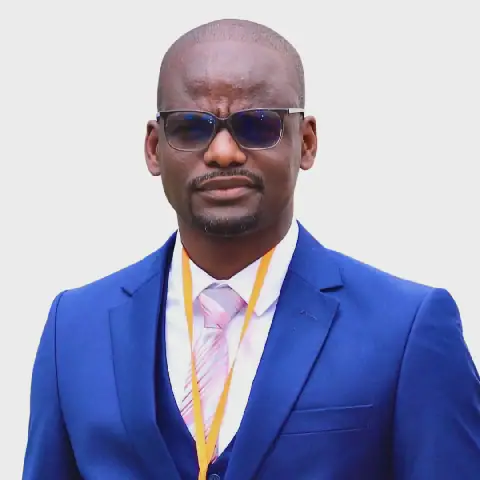
Nigeria has witnessed a substantial increase in public revenue collection under Zacch Adedeji's leadership. The Federal Inland Revenue Service achieved remarkable results, collecting ₦12.36 trillion in 2023, surpassing the target of ₦11.55 trillion. This upward trend continued in 2024 with ₦21.7 trillion collected, exceeding the ₦19.7 trillion target. The Nigeria Revenue Service reported ₦28.3 trillion in 2025, above its ₦25.2 trillion target.
The impressive revenue collection figures have continued into 2026, with ₦21.6 trillion collected in the first half of the year, compared to ₦14.27 trillion in the same period of 2025. This significant growth in revenue collection can be attributed to the expansion of the revenue machinery, digital administration, and enforcement. However, the question remains as to whether citizens and oversight institutions can track the allocation and expenditure of these funds.
Nigeria's legal framework requires revenue to be accounted for, but the audit system faces challenges in ensuring transparency. The Federation Account, budgets, releases, procurement, and actual public expenditure are critical areas that require scrutiny. The ability of citizens and institutions to follow the money after collection is crucial for accountability and good governance.
The issue at hand is not whether revenue should be collected, but rather whether the public can track the funds' allocation and expenditure. A transparent audit system would enable citizens to hold the government accountable for its financial actions. This is essential for building trust and ensuring that public funds are used for the intended purposes.
The challenges facing Nigeria's audit system are multifaceted. The country's institutions and citizens require access to information on budget releases, procurement processes, and public expenditure. This information would facilitate effective oversight and ensure that public funds are utilized efficiently.
Zacch Adedeji's efforts to improve revenue collection have yielded positive results, but sustaining this momentum requires addressing the transparency challenges. By strengthening the audit system and ensuring accountability, Nigeria can maximize the benefits of its increased revenue collection.
The Federal government can take steps to enhance transparency by providing regular updates on budget releases, procurement processes, and public expenditure. This would enable citizens and oversight institutions to track the allocation and expenditure of public funds effectively.
Key points
- Nigeria's tax revenue has seen significant growth under Zacch Adedeji's leadership, but transparency in the audit system remains a challenge.
- The country's institutions and citizens require access to information on budget releases, procurement processes, and public expenditure to ensure effective oversight.
- Strengthening the audit system and ensuring accountability are crucial for maximizing the benefits of Nigeria's increased revenue collection.