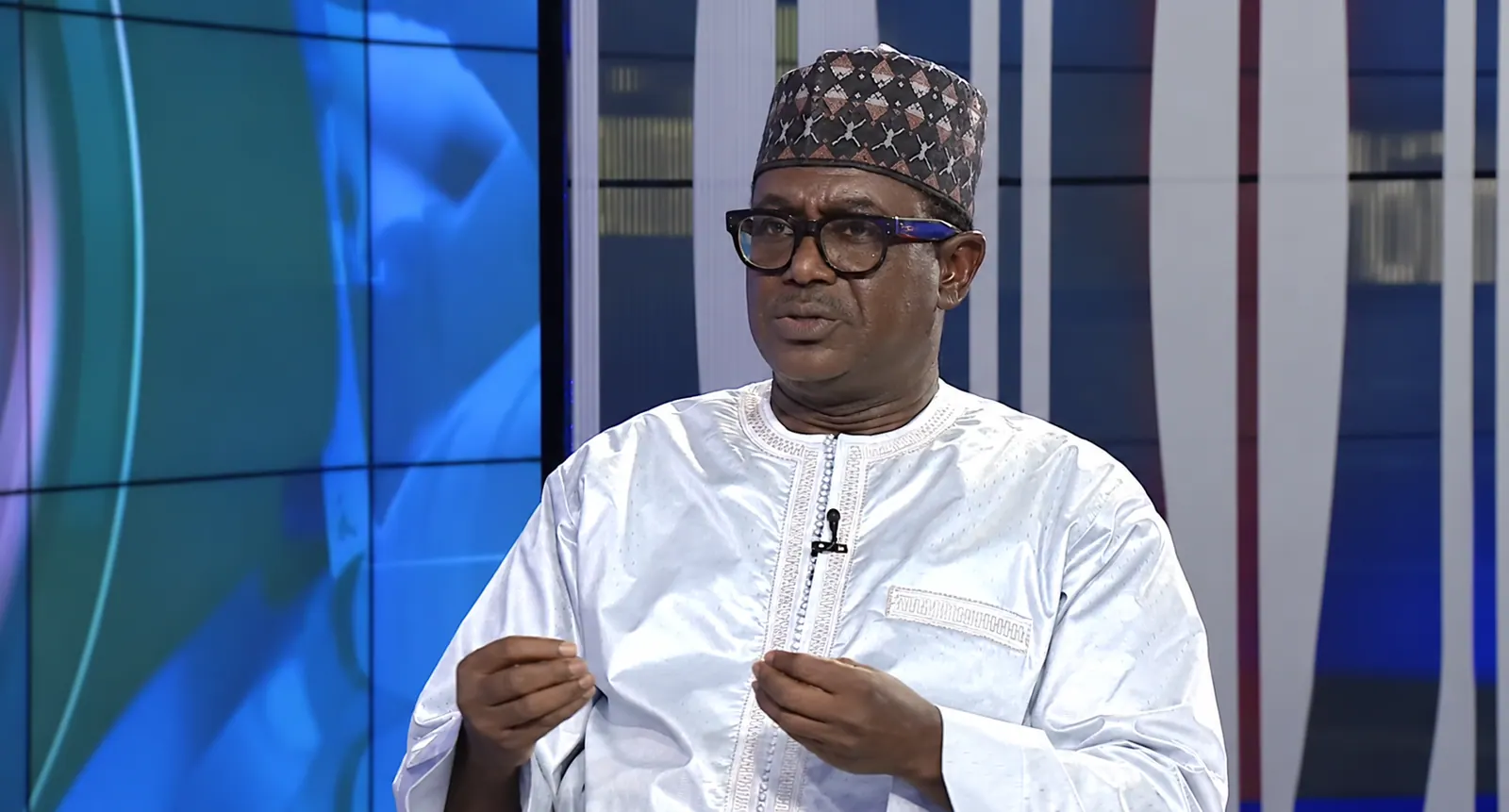
On September 20, 2026, Seydou Diouf, former President of the Finance Committee, emphasized the need for careful budget adjustments in Senegal. The country's budget deficit is projected to increase to 7.6% of GDP, with reduced revenues and increased expenditures. Diouf stresses that these changes necessitate a review of priorities, distinguishing between deferrable investments and those that are urgent.
The revised budget projects revenues of 5,848.7 billion CFA francs, a decrease of 340 billion, and expenditures of 7,583.9 billion, an increase of 150 billion. Energy subsidies have risen to 790.3 billion CFA francs, while investment spending has been reduced by 555 billion. Diouf advocates for a focus on debt treatment, considering options like rescheduling, reprofiling, and refinancing to alleviate the debt burden.
Diouf highlights the importance of dialogue with the International Monetary Fund to validate Senegal's strategy and facilitate discussions with other partners. He also emphasizes the need to address growth drivers and the private sector's role. The issue of energy subsidies leads him to advocate for better targeting, questioning the relevance of uniform support for varying consumption levels.
Diouf suggests concentrating subsidies on those who need them most and expanding social protection mechanisms. He aims to create conditions for investment revival, stressing that "the economy is primarily a matter of confidence." He calls for a more favorable environment for Senegalese and foreign investors, ensuring transparency and accountability.
The former parliamentarian believes that fiscal efficiency should enable the country to restore economic confidence. He also emphasizes the need to rethink fiscal policies and regulations to encourage investment. Diouf argues that private investment must contribute to job creation, wealth generation, and expanded fiscal resources.
Diouf underscores the importance of the administration and economic policymakers, citing the experience of Finance Ministry officials involved in debt strategy. He connects budget revisions, debt management, subsidy targeting, and private investment, stressing that their impact depends on preserving confidence and fostering growth driven by investment.
Ultimately, Diouf advocates for a comprehensive approach that balances budget adjustments with investment promotion, emphasizing the need to "put the economy at the heart of the debate." His proposals aim to address Senegal's financial challenges while supporting sustainable economic growth and development.
Key points
- Seydou Diouf calls for careful budget adjustments to address Senegal's financial challenges without hindering investment and economic growth.
- Diouf advocates for a focus on debt treatment and better targeting of energy subsidies to support economic growth.
- He emphasizes the need to restore economic confidence and create a favorable environment for private investment.