It's been a year since Tanzania's highly contested election, which sparked widespread violence and protests. President Samia Suluhu Hassan won with an overwhelming 98 percent of the vote, but the opposition and human rights groups have disputed the results. The election triggered days of protests that were brutally suppressed by security forces, leaving many dead and injured. According to a government-appointed commission, 518 people lost their lives during the violence.
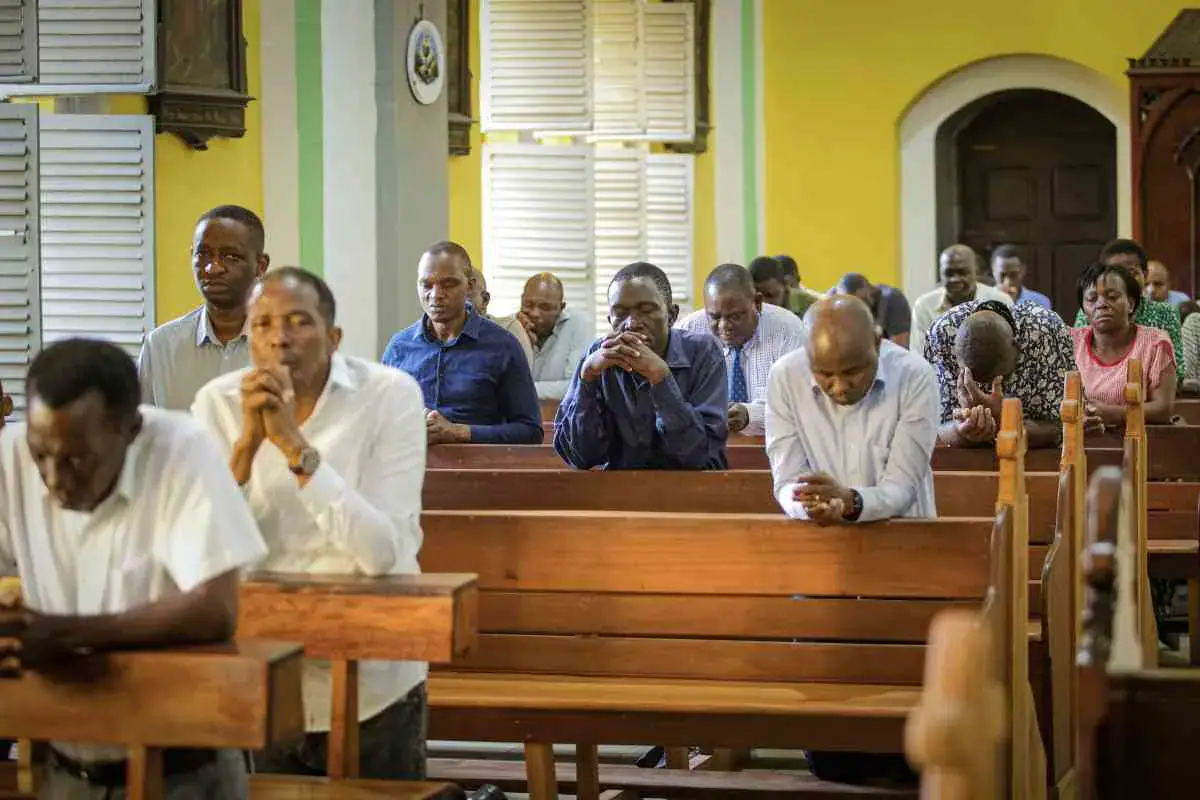
For many Tanzanians, life has not been the same since the election. Twaha Bomeza, a 61-year-old man, was shot in the eye during a shootout between protesters and security forces. He is still nursing an internal wound and experiences shortness of breath and constant headaches. Bomeza's story is just one of many that highlight the human cost of the election violence. The Catholic Church held masses to honor the victims, while the main opposition party, Chadema, announced a seven-day mourning period.
The streets of Dar es Salaam, the economic capital of Tanzania, were quiet with a heavy police presence. Many Tanzanians are still traumatized by the violence and live in fear of abduction and arbitrary arrest. The opposition and human rights groups have accused the government of using excessive force and violating human rights. Chadema described Tanzania as a dictatorship that neither upholds the rule of law nor guarantees human rights.
The US ambassador to Tanzania has warned that the killings during the election will not be swept under the rug. The ambassador's statement was posted on X, a social media platform. President Hassan has been trying to build closer ties with Moscow, and was in Russia this week for a Russia-Africa summit. Tanzania has faced criticism from its Western partners over the killings.
The country is tense, with arbitrary arrests on the rise. Many analysts have described the situation as a "state of terror." The treason trial of opposition leader Tundu Lissu is set to conclude on November 6. Lissu began a hunger strike this week to demand access to his lawyer. He was arrested ahead of the election for championing a "no reform, no election" campaign.
Rights activist Tito Magoti described the situation in Tanzania as a "state of terror." Magoti said that many Tanzanians live in paranoia and fear of abduction and arbitrary arrest. Another opposition official, John Pambalu, was charged with treason, while a Tanzanian dissident, Twaha Mwaipaya, was abducted in Kenya and remains missing.
Human rights groups have criticized the government for failing to hold those responsible for the killings to account. Amnesty International has accused Tanzania of using counterterrorism laws to silence critics and instill fear. The government has formed a presidential commission to investigate the election violence, but critics say it was established in bad faith.
Key points
- The election violence killed at least 518 people, according to a government-appointed commission.
- The opposition and human rights groups have disputed the election results and accused the government of violating human rights.
- The situation in Tanzania remains tense, with arbitrary arrests on the rise and many living in fear of abduction and arbitrary arrest.