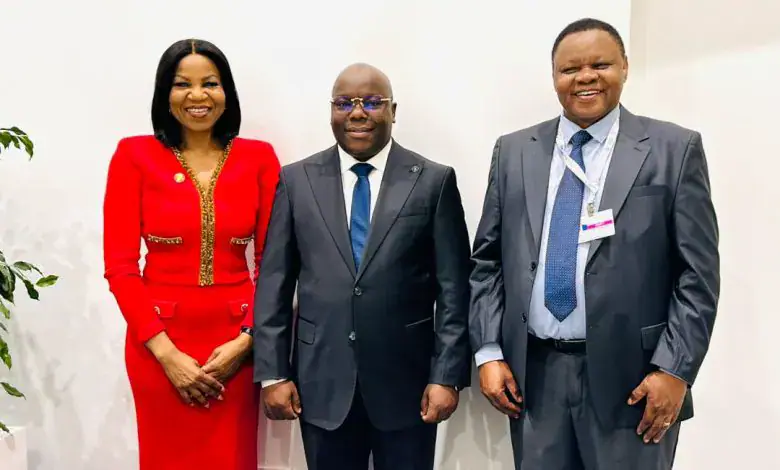
Tanzania is expanding its efforts to attract investment and strengthen international cooperation in the energy sector, with a focus on increasing access to reliable electricity and accelerating the use of clean cooking energy. This was discussed at the 31st Conference of Parties to the United Nations Framework Convention on Climate Change (COP31) in Antalya, Turkey, where Energy Minister Dr. Juma Homera participated in high-level discussions on clean energy transition, energy security, and electricity access.
During a discussion on November 11, 2026, on a global plan to increase the contribution of electricity to global energy consumption to 35% by 2035, Homera, representing President Samia Suluhu Hassan, stated that Tanzania supports the plan and is working to strengthen the energy sector. He noted that the country's electricity generation capacity has reached over 4,600 megawatts, with all 12,318 villages in mainland Tanzania connected to the electricity grid.
Through the National Energy Plan, the government aims to increase the electricity connection rate to 75% by 2030, while increasing the contribution of renewable energy to electricity generation to the same percentage. Homera also participated in a discussion on the importance of grid infrastructure in enhancing energy security and economic development through the Global Grid Accelerator.
In bilateral meetings, Homera met with the Special Representative of the UN Secretary-General for Sustainable Energy for All and CEO of the Sustainable Energy for All (SEforALL) organization, Damilola Ogunbiyi, to discuss ways to strengthen cooperation in promoting the use of clean cooking energy. The talks focused on expanding the use of clean energy in public institutions, particularly schools and health centers, and seeking funding for investment in this area.
Ogunbiyi praised Tanzania for its efforts to develop the clean cooking energy agenda in Africa and expressed SEforALL's readiness to continue collaborating with the government to accelerate the implementation of these plans. Homera also met with the leadership of the UpEnergy company to discuss opportunities for using carbon credit trading to attract investment and reduce the costs of clean cooking energy technologies.
Homera stated that carbon credit trading can be a valuable tool for attracting investment and increasing the adoption of clean cooking energy among citizens and various institutions. Tanzania's participation in these meetings aligns with the implementation of the National Clean Cooking Energy Strategy, which aims to ensure that 80% of Tanzanians use clean cooking energy by 2034.
The country's efforts to attract investment in clean cooking energy are crucial in achieving its development goals and mitigating the impacts of climate change. With the right investments and partnerships, Tanzania can accelerate the transition to clean cooking energy and improve the lives of its citizens.
Key points
- Tanzania aims to increase electricity connection rate to 75% by 2030
- The country seeks to increase the contribution of renewable energy to electricity generation to 75% by 2030
- Tanzania aims to ensure 80% of its citizens use clean cooking energy by 2034
Reporting sources
- Tanzania yalenga kuvutia mitaji nishati safi ya kupikia · habarileo.co.tz