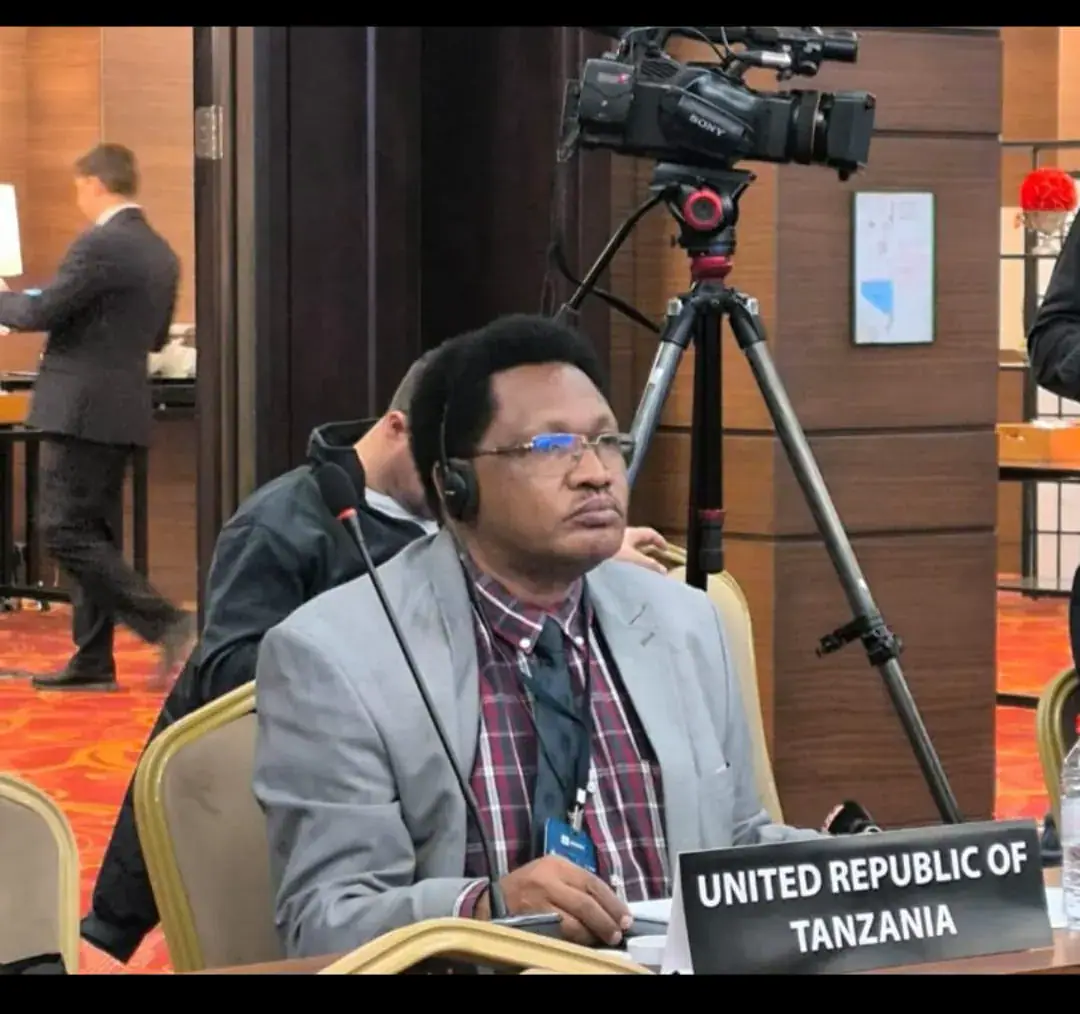
Tanzania is participating in the 13th Interregional Meeting of National Commissions for UNESCO in Ankara, Türkiye, to expand access to international funding, strengthen development partnerships, and improve the implementation of education, science, and cultural programmes. The two-day meeting provides national institutions with an opportunity to benefit from wider cooperation and exchange expertise. According to Prof Hamisi Malebo, Executive Secretary of the Tanzania National Commission for UNESCO, the meeting will help Tanzania strengthen institutional capacity and improve the management of projects supported or coordinated by UNESCO.
The meeting brings together representatives of national commissions from different geographical regions to examine their contribution to UNESCO's mandate and strengthen coordination among member states. National commissions serve as links between UNESCO and national governments, coordinating public institutions and other stakeholders to translate international programmes into domestic development initiatives. Prof Malebo stated that the meeting provides a platform for national commissions to share experiences, identify best practices, and build stronger networks for international cooperation in education, science, culture, and communication.
Discussions on new UNESCO guidelines will help countries improve coordination of domestic programmes and align their implementation with international priorities. Prof Malebo said that stronger institutional capacity can improve the management of projects supported or coordinated by UNESCO, while closer engagement with the organisation's regional and field offices can help address coordination gaps involving governments, universities, and civil society organisations. This, in turn, can lead to improved access to international fellowships, awards, and financial assistance for education, scientific research, and cultural development.
Tanzania's participation in the meeting is part of broader efforts to strengthen multilateral cooperation and international partnerships in support of national development priorities. The meeting also provides an opportunity for participating countries to advance regional priorities, including UNESCO's Priority Africa agenda, youth participation, cultural heritage preservation, and digital transformation in education. By engaging with UNESCO's programmes, funding calendars, and application procedures, national institutions can place themselves in a better position to pursue such opportunities.
Prof Malebo emphasised that familiarity with UNESCO's programmes and funding opportunities can enable national institutions to access international funding and support for education, scientific research, and cultural development. He also highlighted the importance of closer engagement with UNESCO's regional and field offices to address coordination gaps and improve project management. This can ultimately lead to more effective implementation of education, science, and cultural programmes in Tanzania.
The 13th Interregional Meeting of National Commissions for UNESCO provides a unique opportunity for Tanzania to engage with other countries and international organisations to advance its development priorities. By sharing experiences and best practices, national commissions can build stronger networks and improve coordination among member states. This can ultimately contribute to more effective implementation of UNESCO's mandate and support for national development priorities.
Tanzania's participation in the UNESCO forum demonstrates its commitment to strengthening multilateral cooperation and international partnerships in support of national development priorities. The meeting offers a platform for Tanzania to contribute to international priorities, identify best practices, and build stronger networks for international cooperation in education, science, culture, and communication. Key points include:
Key points
- Tanzania expects to expand access to international funding and strengthen development partnerships through the UNESCO forum.
- The meeting provides an opportunity for Tanzania to advance regional priorities, including UNESCO's Priority Africa agenda and digital transformation in education.
- Familiarity with UNESCO's programmes and funding calendars can enable national institutions to access international fellowships, awards, and financial assistance.
Reporting sources
- Dar eyes gains from UNESCO forum · Daily News