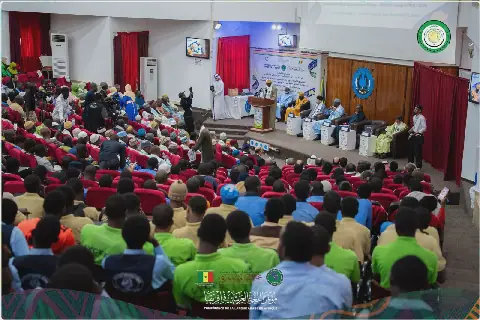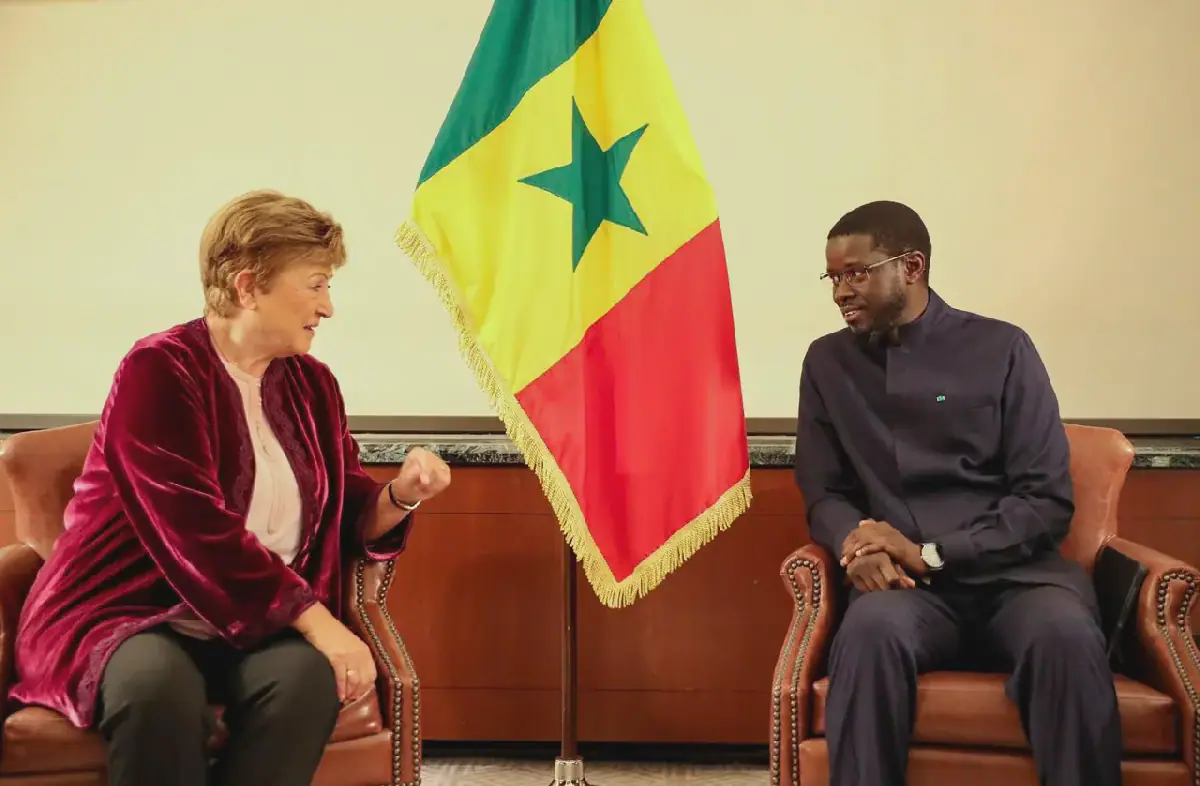
The Senegalese parliament's vote on November 25, 2026, against the presidential decree implementing the 2026 Finance Law has created uncertainty over the country's financial negotiations. According to Bloomberg, international partners, including the International Monetary Fund (IMF), are now viewing the situation with skepticism and questioning the relevance of continuing the approval process for a $2.2 billion program.
The IMF has taken a cautious and institutional stance on the matter. The institution's spokesperson, Julie Kozack, previously emphasized that the IMF does not participate in discussions between the government and the National Assembly, respecting the sovereignty of its member states' constitutional frameworks. The IMF's primary concern is ensuring that authorities commit to implementing agreed-upon policies and have the necessary legal and institutional framework to do so.
However, the IMF has outlined objective conditions that remain unmet. The IMF's board of directors cannot approve the program until corrective measures related to miscommunication on concealed debt are completed and financing guarantees from partners are provided. The parliamentary resolution, which requests the withdrawal of the decree and reminds officials that their responsibility may be engaged in case of execution, complicates the materialization of these guarantees.
Financial analysts share this skepticism. Neville Mandimika, a strategist at Morgan Stanley, considers the budget blockage a "significant risk" to the country's medium-term fiscal objectives. He believes that completing Senegal's debt restructuring in 2026 will be very complex. Senegalese bonds have lost 7.2% in November, one of the worst performances among emerging countries.
The situation has raised concerns about the country's ability to secure financing from international partners. The IMF's approval is contingent upon the Senegalese government's ability to demonstrate a credible budget framework and validate corrective measures on debt. The parliamentary resolution, although symbolic from a legal perspective, undermines Dakar's position by sending a signal of institutional chaos to donors, who expect proof of stability and transparency before releasing funds.
The Senegalese government's ability to navigate this situation will be crucial in determining the country's access to international financing. The executive must address the concerns of international partners and demonstrate a commitment to implementing agreed-upon policies and securing financing guarantees. Failure to do so may have significant implications for the country's economic prospects.
The outcome of this situation will have far-reaching consequences for Senegal's economic development. The country's ability to secure financing and implement necessary reforms will be closely watched by international partners and investors. As the situation unfolds, it remains to be seen how the Senegalese government will respond to the concerns of its international partners and address the challenges posed by the budget blockage.
Key points
- The IMF's approval of a $2.2 billion program for Senegal is contingent upon the country's ability to demonstrate a credible budget framework and validate corrective measures on debt.
Reporting sources
- WalFadjri · WalFadjri