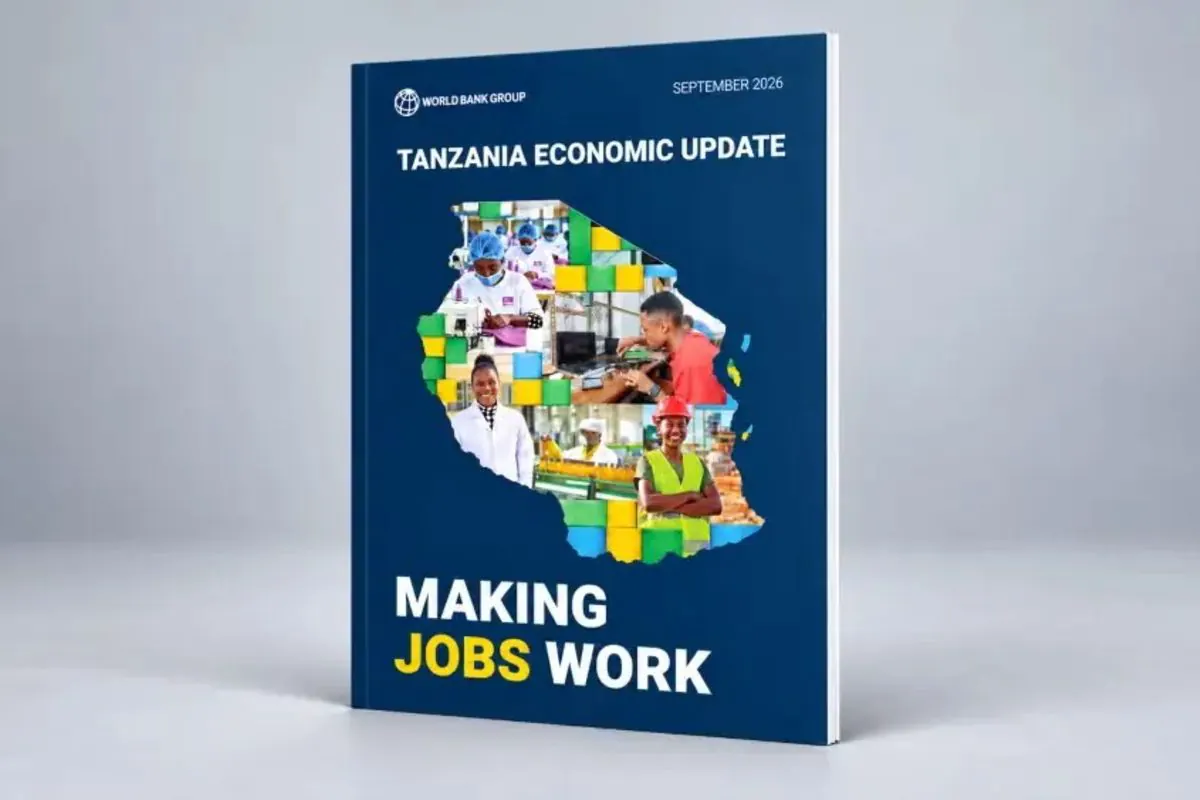
Experts in Tanzania have emphasized the need for the country to shift its focus from the quantity of jobs to the quality of employment. According to them, millions of Tanzanians are engaged in economic activities, but most work in the informal sector, where earnings, job security, and access to social protection are limited. This discussion emerged during the launch of the World Bank's Tanzania Economic Update report 2026, Making Jobs Work.
The World Bank Group's Division Director for Tanzania at the International Finance Corporation (IFC), Ms Mary-Jean Moyo, stated that education and skills development are essential but cannot independently address the country's employment challenges without the creation of enough productive formal jobs. She noted that approximately 95 percent of employment in Tanzania is informal and that quality jobs offering decent pay, written contracts, social security, and stability are largely created by formal businesses.
Ms Moyo argued that Tanzania's employment challenge is largely connected to the productivity and growth of businesses, with Tanzanian businesses facing productivity challenges compared to regional competitors. She identified limited access to finance as a major obstacle preventing promising businesses from expanding and employing more people. To address this, she called for increased mobilization of private capital to support businesses with the potential to expand, innovate, and create jobs.
Chairman of the CEO Roundtable of Tanzania, Mr David Tarimo, highlighted regulatory uncertainty, slow decision-making, and high business compliance costs as constraints to private investment. He noted that senior executives in Tanzania spend about 14 percent of their time addressing regulatory matters, almost twice the sub-Saharan African average. Mr Tarimo also pointed to the cost of social security contributions, the Skills and Development Levy, and other statutory obligations as discouraging smaller businesses from formalizing and expanding.
Founder and Managing Director of Niajiri Platform, Ms Lilian Secelela, highlighted the mismatch between the skills employers need and what jobseekers can offer. She called for sector-specific training linked directly to employment opportunities, arguing that young people need more than certificates from programs that do not lead to jobs or income. This would enable them to meet the salary expectations of employers.
World Bank Practice Manager Ms Loli Arribas-Banos emphasized that Tanzania needs to recognize that informal employment is a reality for a large proportion of workers across East Africa. She argued that employment interventions should meet people where they are, rather than assuming that everyone would immediately transition into formal wage employment. This would involve improving the productivity of small farmers, street vendors, retailers, and micro-entrepreneurs.
The World Bank and other development experts are working with the Tanzanian government to address these challenges. The IFC has launched initiatives such as the Tanzanian shilling offshore bond, which raised Sh265 billion to expand local currency financing through NMB Bank. The goal is to support businesses beyond their immediate survival needs through long-term financing, equity investment, working capital, and advisory services.
Key points
- Tanzania needs to focus on creating more productive businesses and improving the quality of employment.
- The country's employment challenge is largely connected to the productivity and growth of businesses.
- Informal employment is a reality for a large proportion of workers in Tanzania, and interventions should meet people where they are.