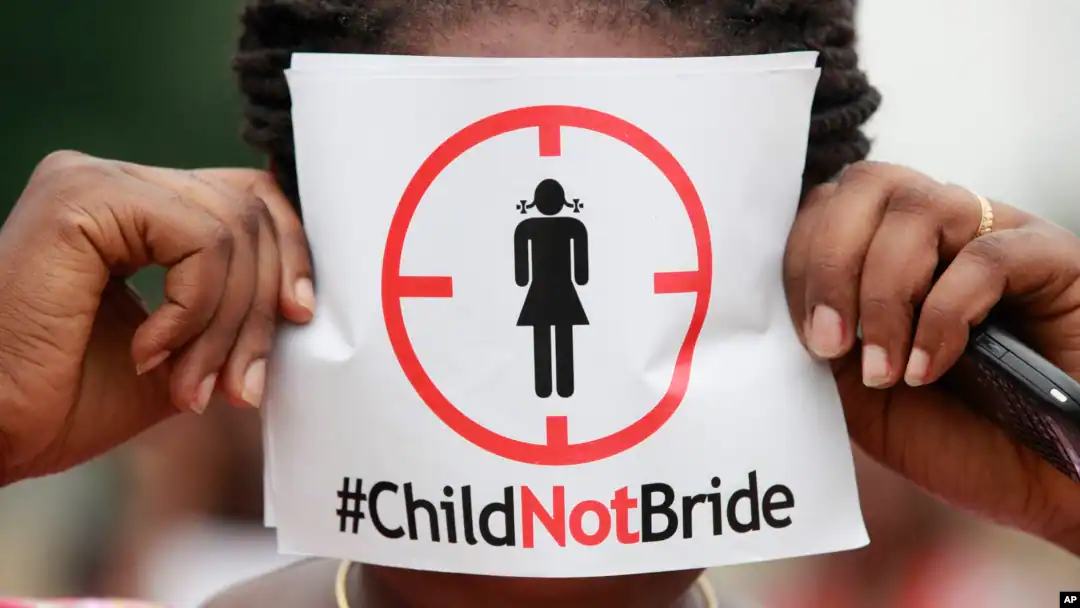
The Tanzania Women Lawyers Association (TAWLA) is leading renewed discussions on reforming the country's child marriage laws, engaging government institutions, and other stakeholders to translate legal reform into real protection for girls. The high-level strategic engagement in Dodoma examined laws and policies governing children's protection, emphasizing that changing legislation is crucial but not enough to eliminate conditions pushing children into marriage.
According to UNICEF data, 29 per cent of women aged 20–24 in Tanzania were married or in union before turning 18. Child marriage is linked to interrupted schooling, early pregnancy, reduced opportunities, and exposure to violence. TAWLA Executive Director Adv. Tike Mwambipile stresses that the reform process must examine the entire system surrounding children, including poverty, education gaps, and social expectations.
Historically, Tanzania's Law of Marriage Act permitted girls to marry at 15 with parental consent and at 14 with court permission, while setting 18 as the minimum age for boys. The 2016 Rebeca Z. Gyumi case led to a High Court declaration that provisions permitting girls to marry below 18 were unconstitutional. The Court of Appeal confirmed this decision in 2019, but UNICEF reports that required amendments have yet to be made.
Stakeholders are now focusing on implementation and examining why legal reform has taken time. They seek to harmonize different laws to create clearer protection for children. The review will also examine age thresholds in laws and policies affecting children and young people. Education authorities and other actors will analyze child-protection provisions throughout the education cycle.
Education is central to the reform conversation, with 3.2 million children aged 7–17 in Tanzania out of school, including 1.2 million who have never attended. UNICEF reports a net secondary enrolment rate of 27 per cent, with rural and poor girls facing higher dropout rates from around age 12. Child marriage is a factor associated with girls leaving school, making education crucial to addressing the issue.
Participants argue that reform should be accompanied by stronger implementation of existing child-protection and education provisions. Civil society representatives call for comprehensive analysis of current laws and policies, including provisions that already protect girls and children. This approach aims to strengthen and amplify existing protections, ensuring that reform does not become limited to one amendment.
Household economics also play a significant role, with poverty and limited economic opportunities identified as conditions that must be addressed to sustain efforts to prevent child marriage. Stakeholders propose greater use of existing economic empowerment programs and community mechanisms, such as ward and village development committees, to reduce duplication and dependence on external funding.
Key points
- The review of Tanzania's child marriage law aims to translate legal reform into real protection for girls.
- Education is central to the reform conversation, with a focus on addressing child-protection provisions throughout the education cycle.
- Household economics, including poverty and limited economic opportunities, must be addressed to sustain efforts to prevent child marriage.