The Tanzanian government is set to expand the Bus Rapid Transit (BRT) network in Dar es Salaam to areas with high demand for public transport. The expansion, which will be implemented under Phases Six and Seven of the project, will target areas such as Muhimbili National Hospital. According to Mohamed Besta, Director General of the Tanzania National Roads Agency (Tanroads), the upcoming phases will differ from earlier BRT projects, which largely followed existing major roads and established transport corridors.
The BRT Master Plan is assessing possible connections to major sports stadiums, the airport, and other locations that attract large numbers of people during major events. The plan aims to provide efficient and reliable public transport services to residents. Tanroads is responsible for implementing road infrastructure, while BRT operations depend on the availability of dedicated infrastructure. Effective coordination among institutions involved in public transport planning and implementation will be essential to ensuring that the expansion responds to the city’s transport needs.
Phase V of the BRT project, a 25.7-kilometre project starting at the Ubungo Kijazi Interchange along Nelson Mandela Road, will branch towards Kigogo and Segerea before running towards the Nyerere Bridge. The bridge links Kurasini Ward in Temeke District with Vijibweni in Kigamboni District. The project is expected to improve public transport services in the city. However, passengers have been calling for direct BRT services from major terminals, including Mbezi and Mbagala, to Muhimbili National Hospital.
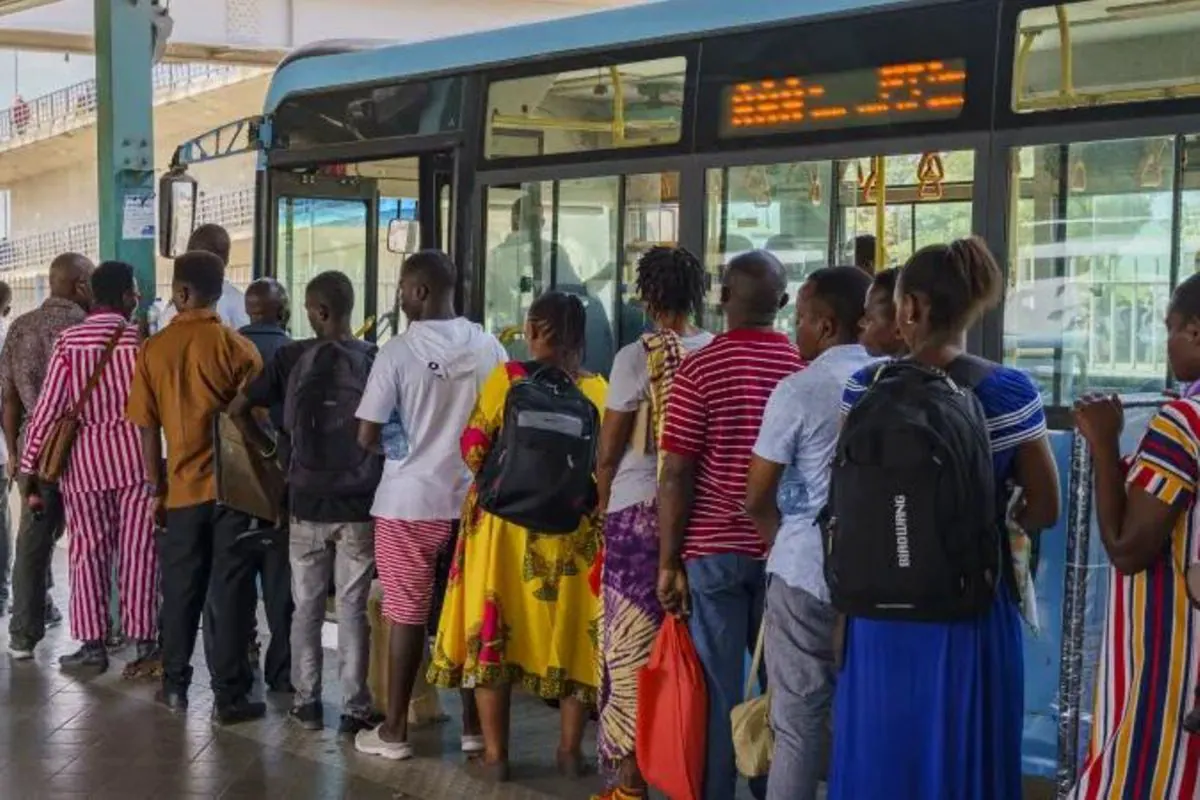
Passengers say direct services would reduce travel time, the number of connections, and the cost of travelling to the hospital, particularly for patients and their relatives. Currently, commuters frequently wait for up to two hours at major terminals such as Kimara and Mbezi to board BRT vehicles heading towards central areas and health facilities. The absence of direct daladala routes connecting Mbezi or Kimara with Muhimbili National Hospital forces travellers to make multiple transfers.
Dart Director General Saidi Tunda said several areas of Dar es Salaam needed BRT services, but expanding operations depended on the construction of dedicated BRT infrastructure. Dart operates on infrastructure provided by the Government and is not responsible for constructing BRT infrastructure. Tunda urged residents to present their concerns to the Government if they believe there is a need for BRT infrastructure to Muhimbili.
The Land Transport Regulatory Authority’s (Latra) plans to phase out daladala services along Morogoro Road have also contributed to the absence of direct commuter buses from Mbezi Luis to Muhimbili and related routes. An official familiar with BRT operations said the phasing out of daladala services was part of the reason for the current service gaps. The government is working to address these gaps and improve public transport services in Dar es Salaam.
The expansion of the BRT network to high-demand areas is expected to improve the overall public transport experience in Dar es Salaam. The government has assured residents that it is working to address their concerns and provide efficient and reliable public transport services. The BRT project is a key initiative aimed at modernizing the city’s transport system and reducing congestion.
Key points
- The Tanzanian government plans to expand the Dar es Salaam BRT network to high-demand areas, including Muhimbili National Hospital, under Phases Six and Seven.
- The expansion will target areas with high demand for public transport, including major sports stadiums, the airport, and other locations that attract large numbers of people during major events.
- Effective coordination among institutions involved in public transport planning and implementation will be essential to ensuring that the expansion responds to the city’s transport needs.