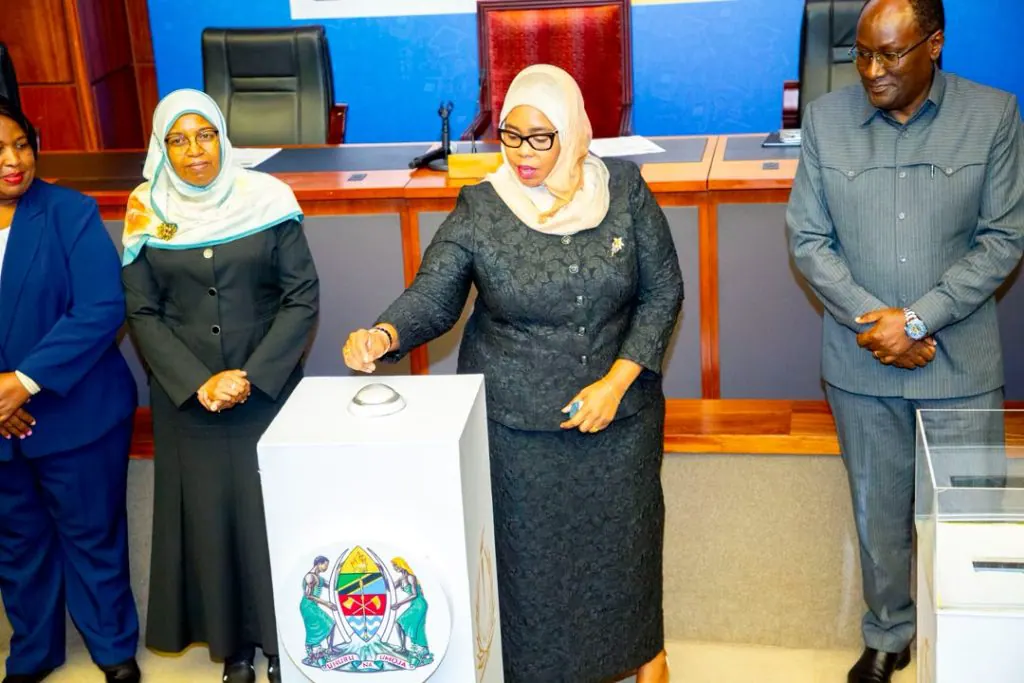
Tanzania's Deputy Minister of Education, Science, and Technology, Wanu Hafidh Ameir, has stated that incorporating financial education into higher education, technical education, and vocational training curricula will empower students and graduates to manage their finances and make informed financial decisions. This initiative aims to equip young people with the skills to utilize economic opportunities productively and tackle financial challenges in the job market.
The guidelines, launched on October 2, 2026, in Dar es Salaam, will enable students to understand how to plan income and expenses, save, borrow responsibly, and identify and capitalize on investment opportunities. Ameir has directed higher education institutions, the Tanzania Commission for Universities (TCU), the National Authority for Technical and Vocational Education and Training (NACTVET), and the Vocational Education and Training Authority (VETA) to oversee the integration of financial education into curricula and quality control systems.
Financial institutions and development partners are expected to collaborate with colleges to provide practical training, expert advice, and entrepreneurship programs. According to Ameir, the success of these guidelines will not be measured solely by students' acquisition of knowledge but by their ability to apply it in making financially responsible decisions. This initiative is also anticipated to help graduates become self-employed, create jobs for others, and contribute significantly to the nation's development.
Deputy Governor of the Bank of Tanzania (BoT), Sauda Msemo, has expressed her support for the guidelines, stating that they complement the government's efforts to make financial education a part of the formal education system. The Bank of Tanzania will continue to collaborate with the Ministry of Education, Science, and Technology and other institutions to provide expertise, build the capacity of lecturers, and monitor the implementation of the guidelines.
The integration of financial education into curricula is a crucial step in enabling students and graduates to manage their finances efficiently and build financial resilience. The guidelines aim to ensure that students and graduates possess the financial knowledge and skills necessary for their personal lives, economic activities, and ultimately, to contribute to the nation's economic growth.
By incorporating financial education into higher learning institutions, the Tanzanian government hopes to equip its youth with the skills and knowledge required to make informed financial decisions, become financially independent, and contribute to the country's economic development. The guidelines are expected to have a positive impact on the nation's economic growth and development.
The launch of these guidelines marks a significant milestone in Tanzania's efforts to promote financial literacy and education among its youth. The government's commitment to integrating financial education into the formal education system is expected to have a lasting impact on the country's economic development and the financial well-being of its citizens.
Key points
- The Tanzanian government has launched guidelines to integrate financial education into higher learning institutions' curricula to empower students and graduates to manage their finances and make informed financial decisions.