In Tiv communities of Benue State, children with disabilities and developmental conditions, including autism, down syndrome, and cerebral palsy, are facing isolation and deprivation of opportunities due to deeply rooted myths and misconceptions. Fear of ridicule and social rejection has forced some families to conceal their children, leaving them without access to education, healthcare, and social interaction. This has resulted in a harrowing experience for these children, who are often denied basic rights and dignity.
The myths and misconceptions surrounding children with disabilities in Tiv land have been perpetuated for decades, with some communities viewing them as bad omens, spiritual manifestations, or signs of misfortune. Derogatory terms have been used to describe these children, including "Or la mar jôv ga yo wan la ka iyô," which loosely translates to "snake" or "strange creature." Although many Tiv people have rejected such beliefs in recent times, traces of these myths still influence attitudes in some rural communities.
Terkaa Ihembe, from Guma Local Government Area, shared a painful memory of being made to abandon his child with cerebral palsy due to the community's reaction. His grandfather insisted that the child was an "Iyô" (snake) and would become a monster if allowed to grow. Ihembe was powerless to stop the rituals that led to the child's abandonment, and he still regrets his decision. The community's condemnation and stigmatization forced Ihembe and his wife to undergo cleansing rituals to purge themselves of any contact with the child.
Mrs. Aondohemba Agbo, a mother from Gwer-West Local Government Area, also experienced emotional trauma when her son was diagnosed with autism. Relatives advised her not to take him to public gatherings, fearing ridicule, and some suggested that spiritual forces were responsible for his condition. However, her son now attends school and receives support and affection from his family. Agbo noted that the same people who once mocked her son are now beginning to see his abilities.
The story of 'Ijov Agoh' demonstrates how stigma can follow a person throughout life. Terfa Agoh from Usar in Kwande Local Government Area recalled that his relative, Ijov, was never addressed by his given name and was instead called "Ijov Agoh." The community advised that Ijov should be killed or thrown into the river, but Agoh's uncle refused. Ijov eventually lived into adulthood but received inadequate care and was sometimes left unclothed.
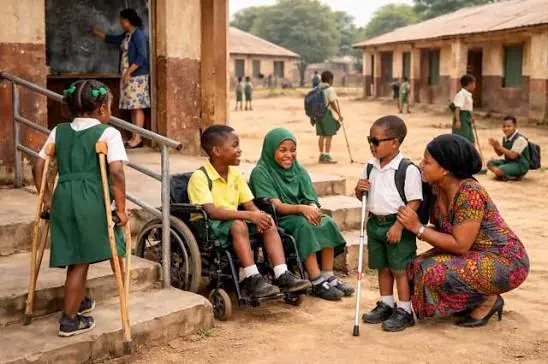
Discrimination against children with disabilities is not limited to families and communities; schools have also remained a major source of exclusion. Despite growing awareness, access to education remains a significant challenge for these children in Tiv land. Some schools reject children with special needs, while others claim they lack the facilities or capacity to accommodate them. Many schools also lack trained teachers, specialized learning materials, and facilities to support children with special educational needs.
A mother of two, Mrs. Helen Kwaghdoo Liamve, shared her experience of being rejected by a public school when she took her son for admission. The headmaster asked them to leave, stating that the school had no space for a "snake" among the other children. Despite others rejecting him, Liamve loves her son and believes he is a gift from God. She noted that her son, now 28 years old, assists her with some tasks and is not useless.
Key points
- Myths and misconceptions surrounding children with disabilities in Tiv land have led to their isolation and deprivation of basic rights.
- The community's reaction to children with disabilities has resulted in emotional trauma for their families.
- Schools in Tiv land have also remained a significant source of exclusion for children with disabilities due to lack of facilities and trained teachers.