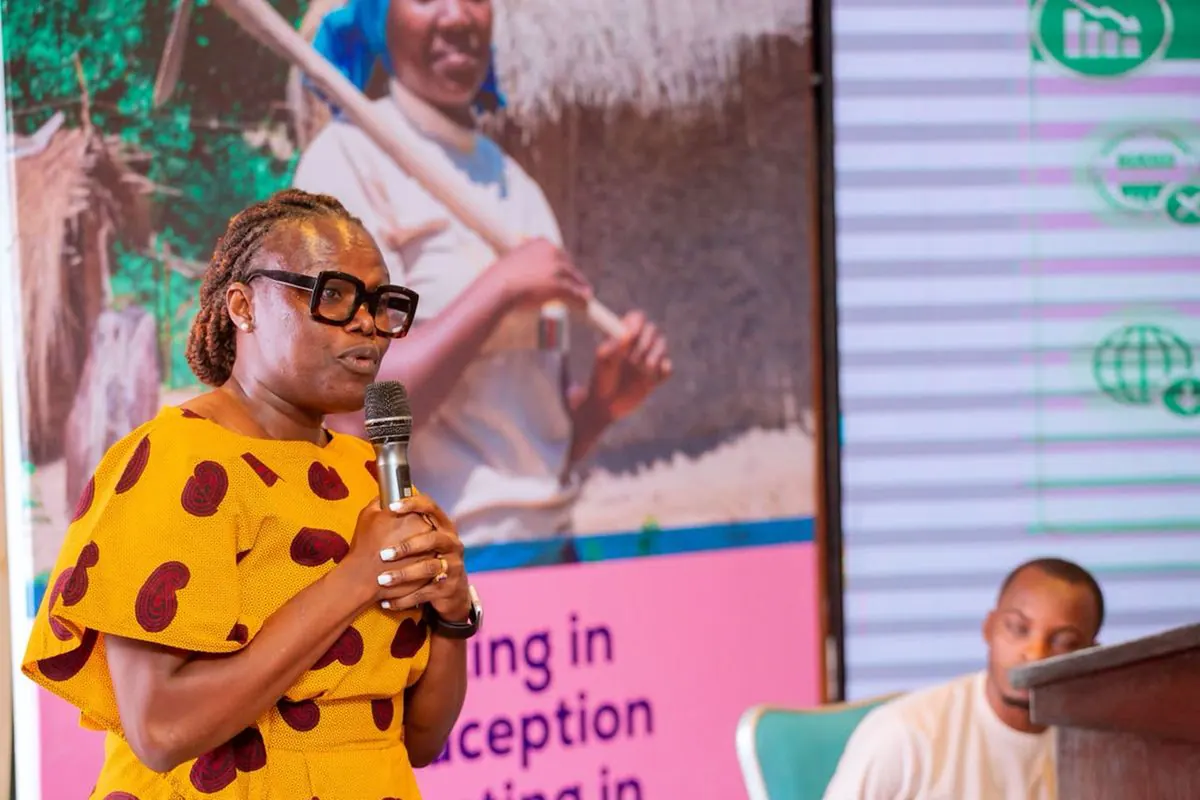
Tanzania is marking World Contraception Day with a significant funding gap for contraceptive supplies, threatening progress in family planning. The country faces a Sh269.9 billion funding gap over the next five years. This gap raises concerns about possible shortages and reduced access to family planning services. The Government and health partners are calling for increased domestic financing amid changes in global health funding.
The National Family Planning Coordinator at the Ministry of Health, Zuhura Mbuguni, emphasized the need for increased domestic funding to sustain progress and prevent shortages. She presented an analysis of the costs, benefits, and financing gap for family planning. The Government aims to reduce the proportion of women with unmet family planning needs from 15.7 percent to 8.2 percent by 2030. Unmet need refers to women who want to delay or avoid pregnancy but are not using a modern contraceptive method.
According to the 2022 Tanzania Demographic and Health Survey, 21 percent of married women on Mainland Tanzania have an unmet need for family planning, despite increased use of modern contraceptive methods. The Director of Nursing and Midwifery Services, Ziada Sellah, speaking on behalf of the Permanent Secretary, noted that declining external health financing had increased pressure on Tanzania to strengthen domestic funding. She emphasized the need to improve the efficiency of available resources and establish sustainable financing mechanisms.
Under its FP2030 commitment, Tanzania aims to increase domestic resources for contraceptive supplies by at least 10 percent annually and ensure allocated funds are fully released. Family planning is not only a health intervention but also an investment that Tanzania needs to achieve its development aspirations. A cost-benefit analysis showed that every dollar invested in family planning could generate more than $15 in benefits across health, education, water, sanitation, and hygiene.
MSI Tanzania director Patrick Kinemo noted that changes in global health financing meant Tanzania needed to increase domestic investment to reduce disruptions caused by fluctuations in external funding. He identified stigma, misinformation, limited awareness, and gaps in service availability as continued hindrances to access to family planning. UNFPA Deputy Representative in Tanzania, Melissa McNeil Barrett, emphasized that sustained investment would enable women and couples to plan and space births while supporting their education, livelihoods, and family wellbeing.
UNFPA has been supporting Tanzania in procuring contraceptive and maternal health commodities. With support from UK International Development, UNFPA had procured contraceptive and maternal health commodities worth $7.15 million, including $4.73 million through the UNFPA Supplies Partnership. The Ministry of Health aims to reduce maternal mortality to below 70 deaths per 100,000 live births by 2030/31, from 104 deaths per 100,000 live births.
The Ministry of Health and health partners are urging for increased domestic investment in contraceptive commodities, health systems, and family planning services. This investment will help protect gains already made and ensure that women and couples have access to family planning services, enabling them to plan and space births while supporting their education, livelihoods, and family wellbeing.
Key points
- Tanzania faces a Sh269.9 billion funding gap for contraceptive supplies over the next five years.
- The country aims to reduce the proportion of women with unmet family planning needs from 15.7 percent to 8.2 percent by 2030.
- Every dollar invested in family planning could generate more than $15 in benefits across health, education, water, sanitation, and hygiene.